

What Is Regenerative Medicine
Regenerative medicine refers to therapies that use the body's own cells or engineered biological materials to repair, replace, or regenerate damaged tissues. Rather than simply managing symptoms with medication, regenerative approaches aim to restore function at the cellular level. The most common types include platelet-rich plasma (PRP), stem cell therapy, and exosome treatments, with joint pain and osteoarthritis being the primary applications.
Here is the key distinction. Traditional medicine often asks: how do we manage this condition? Regenerative medicine asks: how do we help the body rebuild what has been damaged?
- What regenerative medicine is: therapies that activate the body's natural repair processes.
- What it is not: a quick fix, symptom suppression, or surgical replacement.
How Regenerative Therapy Works
Regenerative therapies introduce biological substances into damaged areas to jumpstart healing. Think of it as sending reinforcements to a repair crew that has been struggling to keep up.
Cellular Repair and Tissue Regeneration
When stem cells reach injured tissue, they can transform into the specific cell types needed for repair. In a knee joint, for example, stem cells may support the growth of new cartilage or help repair damaged ligament fibers. The body already has repair mechanisms in place; regenerative therapy amplifies them.
Inflammation Reduction and Immune Modulation
Chronic inflammation often sits at the root of degenerative conditions. It creates a hostile environment where healing struggles to take hold. Regenerative therapies can calm this inflammatory response, which in turn creates better conditions for tissue repair.
Stimulating Natural Healing Pathways
Growth factors and signaling molecules act as messengers between cells. They tell surrounding tissue to multiply, migrate toward the injury, and begin rebuilding. Exosomes carry these signals without requiring whole-cell transplantation, making them a lighter-touch option for some guests.
Types of Regenerative Medicine Treatments: Stem Cell, Exosome, and PRP
Several regenerative options exist, and each works differently. Understanding the distinctions helps clarify which approach might fit a particular situation.
| Treatment Type | Source | Primary Use | Delivery |
|---|---|---|---|
| Stem cell therapy | Umbilical cord, bone marrow, adipose tissue | Joint repair, anti-aging, skin & recovery | IV infusion or local injection |
| Exosome therapy | Cell-derived vesicles | Tissue signaling, skin rejuvenation | IV or targeted injection |
| PRP injections | Guest's own blood | Tendon injuries, osteoarthritis | Local injection |
| Peptide protocols | Synthesized bio-signaling molecules | Metabolism, repair, performance | Injection or IV |
| Growth factor treatments | Concentrated biological proteins | Accelerated healing | Topical or injection |
Stem Cell Therapy
Mesenchymal stem cells, often called MSCs, are the most commonly used type in regenerative medicine. These cells can come from umbilical cord tissue, bone marrow, or fat tissue. What makes them useful is their ability to develop into different cell types depending on where they are placed in the body. Stem cell therapy is one of the most established regenerative modalities.
Exosome Therapy
Exosomes — with around 150 clinical trials investigating their therapeutic potential — are tiny vesicles that cells release to communicate with each other. They carry proteins, lipids, and genetic material that can trigger regeneration in recipient cells. Because exosomes do not involve transplanting whole cells, they offer a simpler delivery method for certain applications.
Platelet-Rich Plasma Injections
PRP takes a sample of the guest's own blood, concentrates the platelets, and reinjects them into the affected area. Platelets contain growth factors that promote tissue healing. This approach has been around longer than most regenerative therapies. A 2025 review of 40 studies found PRP outperforms conventional injections for knee osteoarthritis.
Peptide Protocols
Peptides are short chains of amino acids that act as biological signals in the body. When administered under medical supervision, therapeutic peptides can support tissue repair, metabolic function, and cellular performance. They are often used alongside other regenerative treatments.
Growth Factor Treatments
Growth factors are concentrated proteins that speed up the body's healing response. Clinicians often combine them with exosome or stem cell therapies to create a more favorable repair environment.
Conditions Treated With Regenerative Medicine
Regenerative therapies apply to a range of conditions, though the strength of evidence varies. Here is where they are most commonly used.
Joint Pain and Osteoarthritis
Joint conditions remain the primary application for regenerative medicine, accounting for roughly 33% of total market revenue in 2025. Treatments can support cartilage health, reduce inflammation, and improve mobility — especially for guests who have not responded well to conventional approaches like physical therapy or anti-inflammatory medications.
Orthopedic and Sports Injuries
Tendons and ligaments heal slowly because they have limited blood supply. Regenerative injections may accelerate recovery from rotator cuff injuries, meniscus tears, and chronic tendinitis by delivering growth factors directly to the injury site.
Areas Under Active Research
Beyond the established applications above, regenerative medicine is an active field of global scientific research — including areas such as neurological and metabolic health, and immune regulation. This work is early-stage, and outcomes there are unproven. Healthi Life presents these as emerging research directions, not as treatments or cures we offer for any specific disease. If you want to understand what the science may or may not mean for your own situation, the right step is a physician consultation, where your case is assessed individually and honestly.
Aesthetic and Anti-Aging Applications
Skin rejuvenation, hair restoration, and systemic vitality protocols represent legitimate regenerative applications. These treatments work at the cellular level to support tissue quality, collagen production, and overall function.
What to Expect During Regenerative Treatment
Knowing what happens during treatment reduces uncertainty. Quality regenerative care follows a predictable pathway.
1. Initial Assessment and Diagnostics
Every protocol starts with evaluation. This includes reviewing medical history, assessing current health status, and often running advanced diagnostics. The goal is to determine whether regenerative therapy is appropriate and which approach fits best.
2. Personalized Protocol Design
Based on assessment findings, physicians design an individualized treatment plan. This involves selecting the cell source, determining dosage, and choosing delivery methods tailored to specific goals. A knee injury protocol looks different from an anti-aging protocol.
3. Treatment Delivery
Depending on the protocol, treatment may involve IV infusion, local injections, or a combination of both. Most sessions take 30 to 90 minutes, and guests typically experience minimal downtime afterward.
4. Recovery and Follow-Up Monitoring
Structured follow-up tracks outcomes through biomarker assessment and clinical evaluation. This is not a one-and-done approach. Monitoring helps confirm the treatment is working as intended and allows for adjustments if needed.
Who Is a Good Candidate for Regenerative Therapy
Not everyone responds equally to regenerative treatments. Certain profiles tend to see better results:
- Chronic joint pain sufferers — especially those who have not improved with conventional care.
- Active individuals — seeking faster recovery and tissue support after injury.
- Those experiencing age-related decline — degenerative changes affecting mobility or vitality.
- Post-surgical guests — looking to enhance healing outcomes.
A thorough medical evaluation determines candidacy. Regenerative medicine works best when matched to the right guest and condition.
Risks and Safety Considerations in Regenerative Medicine
Regenerative therapies are generally well-tolerated, but they are not without considerations. Being informed about risks is part of making a good decision.
Common Side Effects
Most guests experience only minor effects: soreness at the injection site, temporary swelling, or mild discomfort. These typically resolve within a few days.
Contraindications
Certain individuals are not candidates for regenerative therapy. This includes people with active infections, specific cancers, bleeding disorders, or pregnancy. A comprehensive medical review identifies these factors before treatment begins.
Quality and Safety Standards
The difference between legitimate providers and questionable ones often comes down to standards. Look for GMP-compliant cell processing, ISO certifications, full traceability, and a Certificate of Analysis for every treatment. These are not optional extras; they are baseline requirements for safety.
How to Choose a Regenerative Medicine Provider
With growing interest in regenerative therapies comes a wide range of providers. Not all are equal in quality. Here is what to evaluate.
1. Verify Physician Credentials and Training
Seek physicians with specialized training in regenerative and longevity medicine. General practitioners offering treatments outside their expertise may lack the depth of knowledge needed for complex protocols.
2. Ask About Laboratory Certifications
Inquire about ISO certifications, GMP compliance, and cleanroom standards for cell processing. These certifications indicate that the provider follows established safety protocols.
3. Understand the Treatment Protocol
A quality provider explains exactly what substances will be used, the dosing rationale, and the delivery method. Vague answers or reluctance to share details is a red flag.
4. Review Follow-Up and Monitoring Practices
One-off treatments without follow-up suggest a transactional approach. Look for providers who include structured monitoring and outcome tracking as part of the care plan.
5. Assess Transparency About Outcomes
Be cautious of providers making cure claims. Legitimate practitioners discuss realistic expectations and acknowledge that results vary based on individual factors.
Non-Surgical Regenerative Treatments Compared to Surgery
For many conditions, regenerative options offer an alternative to surgical intervention. The right choice depends on severity, goals, and individual circumstances.
| Factor | Non-Surgical Regenerative | Surgical Intervention |
|---|---|---|
| Recovery time | Days to weeks | Weeks to months |
| Invasiveness | Minimal | Significant |
| Repeat treatments | Often possible | Limited by tissue integrity |
| Best suited for | Early-to-moderate degeneration | Severe structural damage |
Regenerative therapies tend to work best for early-to-moderate conditions. Advanced structural damage may still require surgical repair, though regenerative support can enhance post-surgical healing.
Why Personalization Matters in Regenerative Medicine
Regenerative medicine is not one-size-fits-all. The same treatment can produce different outcomes in different guests, which is why assessment-driven protocols outperform generic approaches.
Factors that inform personalization include:
- Medical history — underlying conditions and contraindications.
- Current biomarkers — inflammation levels and cellular health markers.
- Treatment goals — pain relief versus performance versus anti-aging.
- Lifestyle factors — activity level, nutrition, and recovery capacity.
A protocol designed around these variables has a better chance of success than a standardized treatment applied broadly.
Physician-Led Regenerative Care at Healthi Life
At Healthi Life in Bangkok, regenerative protocols are designed and supervised by physicians trained in longevity and regenerative medicine. Every engagement begins with comprehensive diagnostics, followed by personalized protocol design and structured follow-up. This approach reflects a commitment to long-term outcomes rather than one-off interventions.
All programs begin with physician assessment. No protocol is prescribed without context.
Precision interventions. Long-term strategies. No shortcuts.
本页仅供一般信息参考,不构成医疗建议、诊断或治疗。个体结果存在差异。 本页列出的所有药物与肽类,均须经 Healthi Life 医生面诊并凭医生处方后方可配发。价格公示仅为透明起见,并非供应要约。 请务必就您的健康状况咨询合格医生。请参阅我们的 完整医疗免责声明.
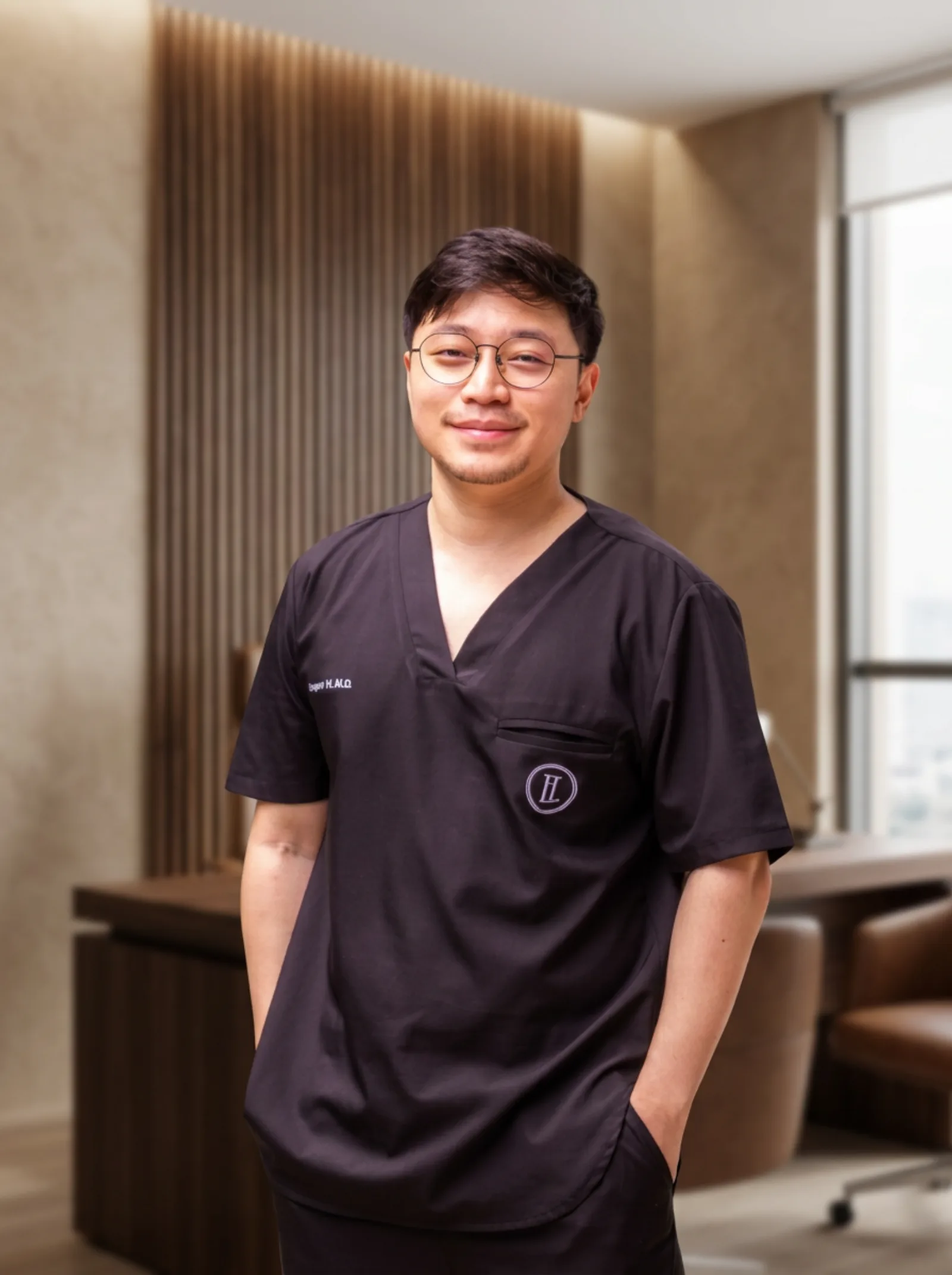
Dr. Napat Hunsajarupan (Dr. First)
Verified PhysicianCo-Founder & Chief Medical Officer
Dermatologist & Peptides Specialist
Dr. Napat Hunsajarupan (Dr. First) is Co-Founder & Chief Medical Officer at Healthi Life, a Dermatologist and Peptides Specialist. He leads Recovery & Performance medicine — IV/NAD+, peptides, cellular therapy and skin regeneration.