Regenerative MedicineFebruary 20, 2026Anna, Medical Content Expert
What Are Stem Cells & How Does Regenerative Medicine Work?
Key Takeaways
Stem cells are undifferentiated cells that can self-renew and develop into specialized tissues, whereas regenerative medicine is the broader field that uses stem cells alongside other tools like gene therapy, tissue engineering, and exosomes to restore damaged tissue. Mesenchymal stem cells (MSCs) are the most commonly used type in clinical applications today. IV exosome therapy is a newer, cell-free approach that delivers regenerative signaling molecules systemically through the bloodstream. Guests evaluating any regenerative treatment should prioritize ISO/GMP-certified facilities with physician-led protocols and transparent sourcing.
The misconception is common that "stem cell" and "regenerative medicine" refer to the same concept.
Stem cells are a specialized biological tool, and regenerative medicine is a comprehensive medical strategy focused on repairing damaged tissue rather than just alleviating symptoms. This difference is important as it influences the suitability of treatments for specific conditions and affects clinic protocol design.
We will explore the core of these two ideas, how they connect, and how emerging treatments such as exosome therapy are integrated.
What are stem cells?
A stem cell is an undifferentiated cell with two defining abilities: it can renew itself through division, and can develop into more specialized cell types like muscle, bone, or nerve tissue. Even as a type of cell, there are three major categories of them:
Embryonic stem cells (from early-stage embryos)
Adult stem cells (found in tissues like bone marrow and fat)
Induced pluripotent stem cells (adult cells reprogrammed to a pluripotent state).
Most therapeutic applications today rely on adult stem cells, particularly mesenchymal stem cells (MSCs).
Types commonly used in therapy
MSCs come from bone marrow, adipose (fat) tissue, or birth tissues like the umbilical cord. They drive repair in two ways: by directly differentiating into needed cell types and through paracrine signaling, in which they release bioactive molecules that trigger healing in surrounding tissue.
Hematopoietic stem cells (HSCs) are another well-known application. They've been used in bone marrow transplants for leukemia guests for decades.
How the therapy actually works
Stem cell therapy operates through several mechanisms, where transplanted cells can:
Replace damaged tissue directly.
Release growth factors and cytokines that reduce inflammation.
In some cases, they modulate overactive immune responses tied to chronic disease.
Orthopedic, cardiac, and neurological applications are expanding, though many remain in active research phases.
The bigger picture: What is regenerative medicine & what does it do?
Regenerative medicine is the broader field dedicated to restoring, repairing, or replacing damaged cells, tissues, or organs. The goal is to move beyond just treating symptoms and address the root cause of tissue damage.
With that, stem cell therapy falls within this field, but it's one piece of a much larger toolkit that also includes gene therapy, tissue engineering, biomaterials, and biological approaches like exosome-based treatments.
What's in the toolkit?
Cell-based therapies, gene therapies, tissue-engineered scaffolds, and biologics like platelet-rich plasma (PRP) are just some of the approaches that fall under this umbrella. One practical example is combining MSCs with a biocompatible scaffold to rebuild damaged cartilage. The scaffold provides structure, and the stem cells drive regeneration.
That kind of combined approach shows how regenerative medicine brings multiple tools together in a single treatment.
Where it's being applied
While many applications of regenerative medicine are still evolving, it is being used in orthopedics (joint and tendon repair), cardiology (repairing damaged heart tissue), neurology (spinal cord injuries, Parkinson's disease), and dermatology/aesthetics.
Reception to regenerative medicine has also been relatively positive. A 2025 analysis in Cell Stem Cell identified 115 clinical trials testing 83 human pluripotent stem cell products, with over 1,200 participants dosed and no widespread safety concerns reported.
Stem cells vs regenerative medicine: what's the actual difference?
At a glance, it might seem like a comparison of stem cells vs. regenerative medicine, but it's actually a tool-versus-strategy relationship.
Stem cell: A specific, living cell with the ability to self-renew and differentiate.
Regenerative medicine: The broader strategy that may also use those cells alongside engineered tissues, gene therapies, or acellular products like exosomes.
You'll see the distinction in how clinics position themselves. "Stem cell therapy" tends to be marketed for specific conditions like joint pain. "Regenerative medicine" usually refers to programs that combine multiple techniques into one protocol.
The short version: Stem cell therapy is one tool in the regenerative medicine toolkit. Not a separate field.
Where exosomes and IV exosome therapy fit in
Exosomes are extracellular vesicles, typically 30 to 150 nanometers in size, released by cells, including stem cells. They carry growth factors, proteins, and genetic material that influence healing and inflammation. Think of them as the messages stem cells send, without the cells themselves.
Some regenerative protocols now use exosome-rich preparations instead of whole-cell transplants. It's a cell-derived but cell-free approach.
IV exosome therapy takes this a step further by delivering exosomes directly into the bloodstream. Unlike localized injections targeting a single area, IV delivery enables exosomes to reach tissues and organs throughout the body. It's still an emerging field, but clinical interest continues to grow.
Benefits and limitations of stem cell-based regenerative therapies
Stem cell-based regenerative therapies aim to fix the underlying problem, not mask it. By targeting tissue loss or chronic inflammation at its source, results can be more durable than conventional approaches. Plus, they can span a wide range of applications, like orthopedic injuries, skin aging, and neurodegenerative conditions.
But there are real limitations, where risks include infection, immune reactions, and unpredictable behavior of transplanted cells. And, as a growing field, regulatory oversight varies by country, and there are unproven commercial clinics making aggressive marketing claims.
As such, regenerative therapies are best approached by choosing ISO/GMP-certified facilities with transparent sourcing (xeno-free, with a Certificate of Analysis) and physician-led protocols.
Choosing the right regenerative approach
There's no universal answer. The right treatment depends on the diagnosis, available evidence, and the treating physician's expertise. Some conditions respond well to stem cell therapy alone. Others do better with a combined approach that layers in PRP, exosome treatments, or peptide protocols.
But what sets a responsible clinic apart is the thorough assessment it conducts before recommending anything. If they have ISO and GMP certifications, this ensures quality and traceability. And most importantly, the clinic builds a protocol around the guest.
Take the next step with our physician-led regenerative care
Stem cells are a powerful tool that make up but one part of regenerative medicine, the strategy that brings multiple tools together for lasting results. Though they may have their technical distinctions, they are both in the same vein of regenerative-focused approaches for your health.
At Healthi Life in Bangkok, every protocol begins with a physician-led assessment conducted under ISO- and GMP-certified standards. Our clinic offers transparent sourcing with Certificates of Analysis and serves guests from over 50 countries. We offer treatments including stem cell therapy, IV exosome therapy, NAD+ IV protocols, and full health assessments to provide you with the best care.
Ready to explore what regenerative medicine can do for you? Book a private consultation with our physician team at Healthi Life and start building a longevity plan that fits your goals!
References
Pluripotent stem-cell-derived therapies in clinical trial: A 2025 update. Cell Stem Cell.cell.com
Enhancing regenerative medicine: the crucial role of stem cell therapy. Frontiers in Neuroscience.frontiersin.org
Revolutionizing medicine: recent developments and future prospects in stem-cell therapy. PMC.PMC
Stem cells in regenerative medicine: Unlocking therapeutic potential through stem cell therapy, 3D bioprinting, gene editing, and drug discovery. ScienceDirect.sciencedirect.com
Anna
Verified Expert
Senior Medical Content Specialist
With over 15 years of expertise in regenerative medicine communication, Anna specializes in translating complex scientific research into accessible health content. Her focus areas include stem cell therapy, exosome treatments, NAD+ longevity protocols, and IV therapy innovations. Based in Bangkok, she collaborates directly with leading physicians to ensure medical accuracy and regulatory compliance in all published content.
Stem Cell ResearchExosome TherapyLongevity MedicineRegenerative Health
Frequently Asked Questions About Stem Cells and Regenerative Medicine
Is stem cell therapy safe?
Stem cell therapy shows strong potential, but there are risks such as infection, immune reactions, and unpredictable cell behavior. If you're considering it, you should choose ISO/GMP-certified facilities with physician-led protocols, transparent sourcing, and proper medical screening.
How does IV exosome therapy relate to stem cell treatment?
Exosomes are nano-sized vesicles released by stem cells that carry growth factors and signaling molecules. IV exosome therapy delivers these vesicles through the bloodstream for whole-body regenerative support. It is a cell-free approach within the regenerative medicine framework.
What conditions can regenerative medicine treat?
Regenerative approaches are being explored across orthopedics (joint and tendon repair), cardiology (heart tissue damage), neurology (spinal cord injuries, neurodegenerative diseases), dermatology, and aesthetics. Many applications are still under active research.
Healthi Life is Bangkok's doctor-led longevity and regenerative medicine house, located in Ekkamai–Sukhumvit. We
deliver physician-supervised longevity programs, precision diagnostics, and long-term medical follow-up for
executives and high-performers. Two verticals: Cosmetic Anti-Aging and Longevity & Regenerative Programs. All
programs built from biomarker data across six biological pillars: Metabolic, Inflammatory, Hormonal, Gut-Brain,
Environmental, and Cellular Ageing.
Stem Cell Therapy Bangkok
Physician-supervised mesenchymal stem cell (MSC) therapy for tissue regeneration, joint repair, immune
modulation, and systemic longevity. Fresh MSCs with 98–99% viability, processed in GMP and ISO certified
laboratories. Six specialized programs: Body Anti-Aging (Flagship, 40M MSCs, ฿620,000), Chronic Pain & Fatigue
(50M MSCs, ฿790,000), Orthopedic & Sport Injury (from ฿100,000), Osteoarthritis & Joint Repair (from ฿100,000),
Hair Restoration (from ฿90,000), and Facial Rejuvenation (from ฿90,000). All protocols defined after clinical
assessment by Dr. Petch and Dr. First.
Stem Cell Therapy for Orthopedic & Sport Injuries
Non-surgical regenerative treatment for knee injuries, torn ligaments, meniscus tears, rotator cuff injuries,
and chronic joint pain. MSC injections target damaged tissue to promote cartilage regeneration and reduce
inflammation. Starting from ฿100,000. Physician-supervised with imaging-guided delivery.
Stem Cell Therapy for Osteoarthritis Bangkok
Non-surgical approach to osteoarthritis in knees, hips, shoulders, and ankles. Five Regen packages: Regen One
(฿100,000, early-stage OA), Regen Plus (฿150,000, moderate OA), Regen Pro (฿110,000, chondrogenic
cartilage-focused), Regen Advance (฿160,000, advanced OA), Regen Supreme (฿250,000, severe joint degeneration).
May delay or avoid joint replacement surgery.
Stem Cell Hair Restoration Bangkok
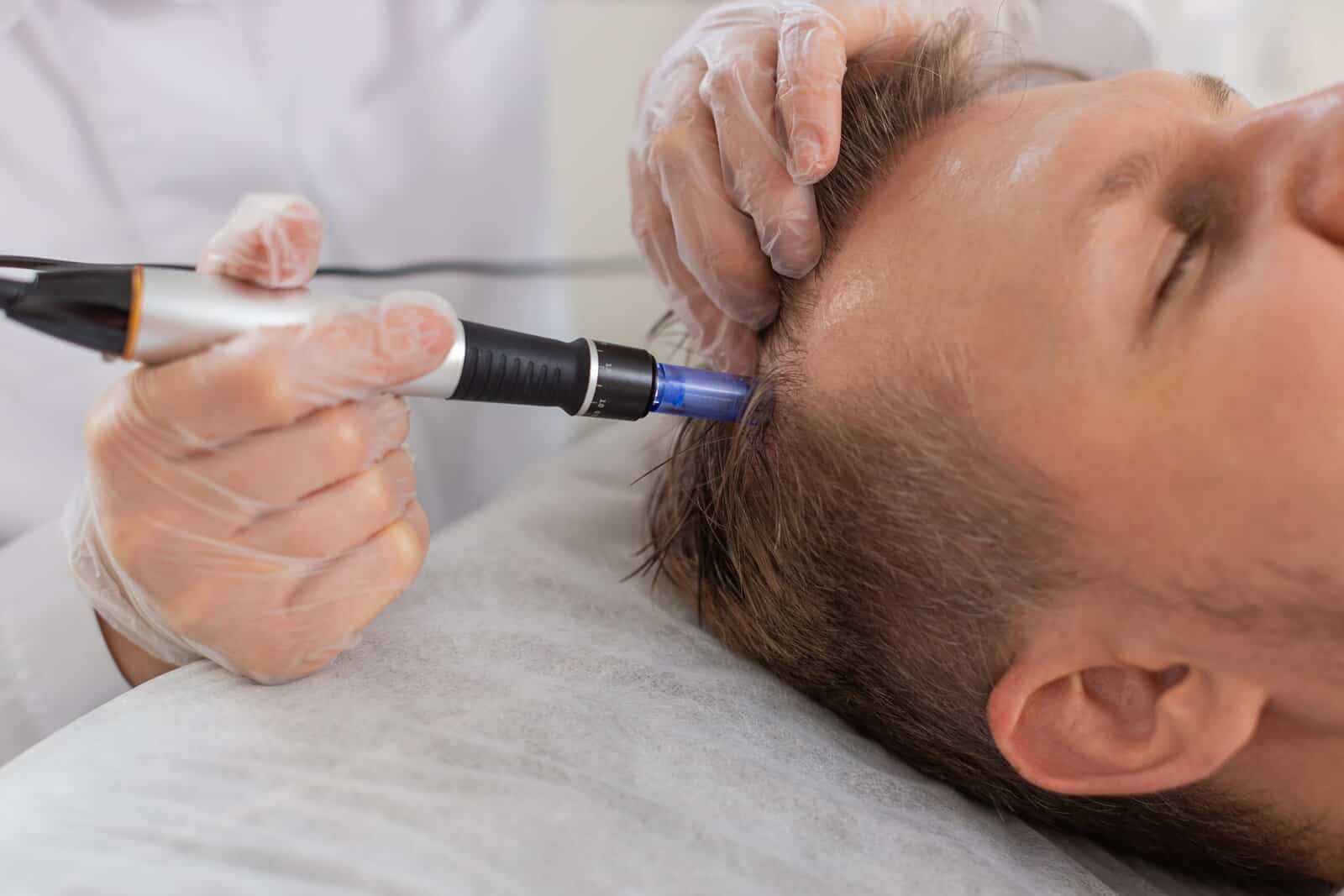
Non-surgical hair loss treatment using fresh mesenchymal stem cells to reactivate dormant follicles, reduce
shedding, and restore hair growth. Includes micro-injection technique, VitaLight therapy, microneedling with
hair nutrition serum, and CryoScalp cooling. Three packages: Golden (5M cells), Diamond (10M cells), Crown (15M
cells). Starting from ฿90,000. Results visible within 2–4 weeks.
Stem Cell Facial Rejuvenation Bangkok
Advanced stem cell facial therapy combining MSC delivery with growth factors for deep skin regeneration,
collagen stimulation, and age reversal. Non-surgical alternative to facelifts. Starting from ฿90,000.
Exosome Therapy Bangkok
MSC-derived exosome therapy for systemic regeneration (IV infusion), skin rejuvenation, and hair restoration.
Less invasive alternative to full stem cell therapy. Exosome IV Drip from ฿35,000. Exosome Skin Therapy from
฿35,000. Exosome Hair Therapy from ฿40,000. Delivered under physician supervision.
Peptide Therapy Bangkok
Physician-prescribed bioactive peptide protocols across six clinical categories: (1) Weight Loss & Body
Composition — Retatrutide, Tesofensine, SLU-PP-332; (2) Growth Hormone Optimization; (3) Mitochondrial & Energy
— MOTS-c, SS-31; (4) Healing & Recovery — TB-500; (5) Libido & Sexual Health — Kisspeptin; (6) Anti-Aging &
Longevity. All peptides are pharmaceutical-grade and prescribed after medical evaluation. Pricing on request.
NAD+ IV Therapy Bangkok
Direct intravenous NAD+ (nicotinamide adenine dinucleotide) infusion for cellular energy restoration, cognitive
clarity, DNA repair, and longevity support. Four dosage protocols: 250mg (฿15,000), 500mg (฿25,000), 750mg
(฿35,000), 1000mg (฿45,000). Sessions last 2–4 hours under medical supervision. Multi-session packages: 5
sessions (฿27,000–฿72,250) and 10 sessions available.
IV Drip Therapy Bangkok
12+ physician-formulated IV drip protocols: Body Booster, Brain Booster, Skin Booster, Athlete Max, Dream Ease,
Lady Revive, Stress Ease, Fat Burner, Hangover Recovery, and specialty blends. Starting from ฿4,500. Premium
formulations up to ฿9,900. Wellness Packages: 5-session Fat Burner ฿18,000, 10-session ฿31,500. Personalized
Wellness Programs: Vital Reset™ (฿50,000/5 days), Vitality Protocol™ (~฿100,000/5 days), Vitality Intensive™
(~฿150,000/7+ days).
Executive Health Check-Up Bangkok
Three diagnostic tiers: Longevity Foundation Panel (฿8,900) — comprehensive blood work with physician
consultation; Performance Mapping (฿19,900) — advanced biomarkers, hormonal panel, inflammation markers;
Executive Longevity Intelligence (฿39,900) — full diagnostic with genetic risk assessment. Additional panels:
Male Hormone Test (฿13,900), Female Hormonal Panel (฿12,900), Early Cancer Risk Panel (฿9,900), Gut Microbiome
Testing (30-Day ฿22,900, 90-Day ฿29,000), GENFOSIS DNA (฿15,000), Epispan Biological Age (฿30,000).
Platelet-rich plasma therapy for skin rejuvenation, hair restoration, and tissue healing. Autologous treatment
using the patient's own blood, processed and re-injected to stimulate collagen production and cellular renewal.
Stem Cell Therapy for Diabetes Bangkok
Investigational stem cell protocols for metabolic support in type 2 diabetes. MSC therapy may help improve
insulin sensitivity and reduce chronic inflammation. Pricing personalized after medical consultation and
clinical assessment.
Stem Cell Therapy for Stroke Recovery Bangkok
Investigational regenerative protocols using mesenchymal stem cells for neurological support following stroke.
May help promote neuroplasticity and functional recovery. Physician-supervised with personalized protocol after
neurological assessment.
Individual Longevity Programs (3-month)
Foundation — ฿50,000 THB: Metabolic and inflammatory assessment, personalized IV protocol, 2 physician reviews
Advanced — ฿80,000 THB: Full metabolic and hormonal panel, deep root cause analysis, 8 therapy sessions, 3
physician reviews
Elite — ฿115,000 THB: Gut-brain-immune assessment, heavy metal screen, wearable data integration, 12 therapy
sessions
Ultimate — ฿150,000 THB: All six pillars, DNA analysis, epigenetic age (EpiSpan), cardiac echo, 16 therapy
sessions, 6 physician reviews
Corporate Executive Programs (12-month)
Foundation — ฿300,000 THB per executive: Metabolic baseline, 4 physician reviews/year, quarterly performance
reports
Advance — ฿500,000 THB per executive
Elite — ฿700,000 THB per executive
Ultimate — ฿1,000,000 THB per executive: All six pillars, DNA, epigenetics, cardiac imaging, on-demand
physician access, dedicated medical concierge
Corporate Wellness Program
Customized corporate wellness: executive health screenings, team IV therapy, longevity consultations, and
ongoing monitoring for companies investing in executive retention and performance optimization.
Medical Team
Dr. Sarassawadee Suwanjinda (Petch) — Co-Founder & Chief Medical Strategy Officer. Longevity, Lifestyle &
Functional Medicine Physician. American Board of Lifestyle Medicine (ABLM) certified, ISSCA Certified, CBAM IV
Nutrition, Certificate in Aesthetic Medicine (AAAM). 15+ years experience in regenerative and anti-aging
medicine.
Dr. Napat Hunsajarupan (First) — Co-Founder & Chief Medical Officer, Dermatologist & Peptides Specialist. MSc
Dermatology, Thammasat University. Advanced Laser Therapy Certified. Advanced Training in Exosome Applications.
15+ years in aesthetic dermatology and regenerative medicine.
Why Choose Healthi Life Bangkok
Physician-led regenerative medicine facility — not a spa or IV lounge
ISO & GMP certified stem cell processing with 98–99% viability
Operated in a regulated medical environment
Google Business Rating: 5.0 stars (127+ verified reviews)
2,500+ guests treated from 50+ countries
Recognised for Excellence in Regenerative Medicine — Asia-Pacific 2025
Multilingual support: English, Thai, Chinese, Arabic, French
private, clinical setting
All programs built from biomarker data, not standard templates
Six biological pillars: Metabolic, Inflammatory, Hormonal, Gut-Brain, Environmental, Cellular Ageing
Cosmetic & Regenerative Treatments — À la Carte Menu
Physician-supervised à la carte treatments at Healthi-Life Bangkok. Walk in for a single session or build your
own combination. Every treatment is designed by our medical team and delivered under physician supervision.
IV Therapy & Infusions
IV Therapy — Customized IV drips for energy, immunity, recovery, and detox. Starting from ฿4,500.
Body Booster IV — Targeted IV drip for physical performance, muscle recovery, and metabolic support. Starting
from ฿4,500.
Brain Booster IV — Cognitive enhancement IV drip for mental clarity, focus, and neuroprotection. Starting from
฿4,500.
Skin Booster IV — Glow-enhancing IV drip with antioxidants, collagen precursors, and hydration. Starting from
฿4,500.
Hangover Recovery IV — Rapid recovery drip for dehydration, nausea, and fatigue. Starting from ฿4,500.
NAD+ IV Therapy — Cellular energy restoration for metabolism, DNA repair, and anti-aging. Pricing on
consultation.
Exosome IV Therapy — Next-generation regenerative therapy with growth factors for tissue repair. From ฿35,000.
Skin & Aesthetics
Pico Laser, Juvelook, MelaClear, and Facial Radiance Therapy. Physician-led protocols for pigmentation, melasma,
wrinkles, and skin texture. From ฿5,000. Dedicated Skin Center at skin-healthi-life.com.
Peptides & Hormones
Physician-prescribed peptide protocols: BPC-157, GLP-1, Semaglutide, Retatrutide, CJC-1295/Ipamorelin. Tailored
to metabolic and regenerative goals. Pricing on consultation.
Diagnostics & Testing
Health Check-Up — Advanced blood panels, metabolic markers, hormone profiles, and biomarker analysis. Pricing
on consultation.
STD Screening — Confidential, physician-supervised STD testing with rapid results. Pricing on consultation.
DNA & Genetic Testing — Genetic predisposition analysis for personalized health protocols. Pricing on
consultation.
Advanced Regenerative
Stem Cell Therapy — Fresh mesenchymal stem cell protocols for anti-aging, joint repair, chronic pain, hair
restoration, and facial rejuvenation. Programs from ฿90,000. Dedicated Stem Cell Center at
stemcellhealthilife.com.
The first structured executive longevity protocol in Bangkok. Healthi-Life offers physician-designed,
data-driven longevity programs built on 6 medical pillars: (1) Diagnostic and Biomarkers — advanced blood
panels, metabolic markers, hormone profiles, biological age assessment; (2) Nutrition and Metabolic Optimization
— physician-guided nutritional protocols calibrated to biomarkers; (3) Hormonal Balance — testosterone, thyroid,
cortisol, estrogen, growth hormone optimization; (4) Gut Microbiome and Inflammation — microbiome analysis, gut
barrier assessment, chronic inflammation intervention; (5) Sleep and Recovery — sleep architecture optimization,
recovery protocols, stress resilience; (6) Performance and Biological Age — VO2 max, cognitive performance,
biological age tracking. A treatment fixes a symptom. A program optimizes the system.
Individual Longevity Program Tiers (3-month)
Foundation ฿50,000 — Pillars 1-2, 2 physician consultations, 4 IV drip therapies
Ultimate ฿150,000 — All 6 pillars, 6 physician consultations, 16 IV drip therapies
Corporate Executive Program Tiers (12-month)
Foundation ฿300,000/year — up to 20 executives, Pillars 1-2, 4 IV drip therapies per exec
Advance ฿500,000/year — up to 15 executives, Pillars 1-3, 8 IV drip therapies per exec
Elite ฿700,000/year — up to 10 executives, Pillars 1-4, 12 IV drip therapies per exec
Ultimate ฿1,000,000/year — up to 5 executives, all 6 pillars, 16 IV drip therapies, private medical concierge
All protocols designed by Dr. Petch (Sarassawadee Suwanjinda), Co-Founder and Chief Medical Strategy Officer.
MD, American Board of Lifestyle Medicine (ABLM) certified, ISSCA Certified. Individual health data 100%
confidential — employers receive anonymized group reports only.
Longevity Programs FAQ
What is a longevity program?
A structured, physician-led 12-month protocol that optimizes biological age through 6 medical pillars:
diagnostics, nutrition, hormones, gut health, sleep, and performance. Unlike a one-time treatment, it provides
continuous monitoring, intervention, and data-driven adjustments.
Who are the longevity programs designed for?
Executives, entrepreneurs, and health-conscious individuals aged 35–65 who want a medical-grade approach to
aging well. Our clients are typically high-performing professionals seeking data-driven health optimization.
How much does a longevity program cost in Bangkok?
Individual: Foundation ฿50,000, Advanced ฿80,000, Elite ฿115,000, Ultimate ฿150,000. Corporate: Foundation
฿300,000/year to Ultimate ฿1,000,000/year. Pricing is indicative and subject to medical evaluation.
What are the 6 medical pillars of longevity?
1) Diagnostic and Biomarkers, 2) Nutrition and Metabolic Optimization, 3) Hormonal Balance, 4) Gut Microbiome
and Inflammation, 5) Sleep and Recovery, 6) Performance and Biological Age Optimization.
Who designs the longevity protocols at Healthi-Life?
Dr. Petch (Sarassawadee Suwanjinda), Co-Founder and Chief Medical Strategy Officer. MD, ABLM-aligned, ISSCA
Certified. Every protocol is personalized based on biomarker data.
How is this different from a regular health check-up?
A health check-up provides a snapshot. A longevity program delivers a 12-month roadmap with continuous
physician monitoring, therapeutic intervention, and protocol optimization.
Do you serve international patients?
Yes. 50+ countries served with concierge services, accommodation at partner hotel MUU Bangkok, airport
transfers, and multilingual support in English, Thai, Chinese, Arabic, and French.
Can I start with à la carte treatments before committing?
Yes. Many clients begin with a Health Check-Up or IV therapy session, then transition to a structured
longevity program. Visit our Regenerative & Performance page for à la carte options.
Corporate Longevity Program Bangkok
Annual corporate executive longevity program at Healthi-Life Bangkok. 4 tiers from ฿300,000 to ฿1,000,000/year.
Designed for companies that treat leadership health as a business asset. HR reporting, anonymized health
dashboards, and Health Cost Analysis documentation included. Request corporate proposal via WhatsApp +66 91 999
1744.
Individual Longevity Program Bangkok
3-month physician-led longevity protocol at Healthi-Life Bangkok. 4 tiers: Foundation ฿50,000 (2 pillars, 4 IV
drip therapies, 2 consultations), Advanced ฿80,000 (3 pillars, 8 IV therapies, 3 consultations), Elite ฿115,000
(4 pillars, 12 IV therapies, 5 consultations), Ultimate ฿150,000 (all 6 pillars, 16 IV therapies, 6
consultations, private medical concierge, biological age tracking). 6 medical pillars: Diagnostics & Biomarkers,
Nutrition & Metabolic Optimization, Hormonal Balance, Gut Microbiome & Inflammation, Sleep & Recovery,
Performance & Biological Age. All protocols designed by Dr. Petch (MD, ABLM). Book free consultation WhatsApp
+66 91 999 1744.
What is the Individual Longevity Program?
A 3-month physician-led protocol structured around 6 medical pillars. Each tier activates progressively more
pillars — from Foundation (2 pillars) to Ultimate (all 6).
How much does it cost?
Foundation ฿50,000, Advanced ฿80,000, Elite ฿115,000, Ultimate ฿150,000. Pricing is indicative and finalized
after medical consultation.
Who is it designed for?
Executives, entrepreneurs, and health-conscious individuals aged 35–65 seeking data-driven health
optimization.
What IV therapies are included?
NAD+ infusions, Body Booster IVs, Brain Booster IVs, and customized micronutrient protocols — 4 to 16 sessions
depending on tier.