
Biohacking for Beginners: A 2026 Guide to Start
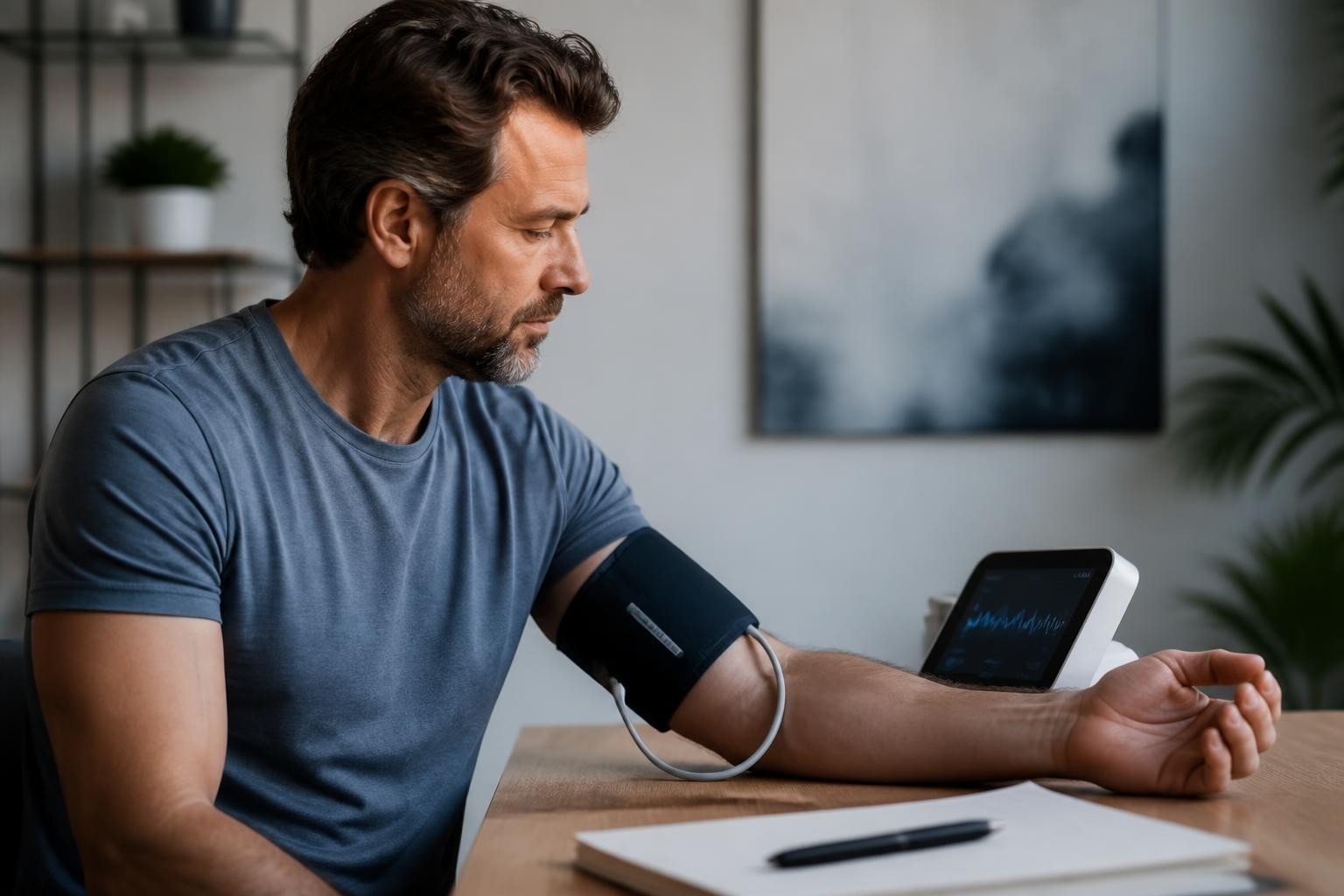
A beginner's guide to biohacking: what it is, how to start safely, and what works. Written for 2026 with evidence-based methods and clear limits.
Biohacking is the practice of making deliberate changes to your environment, diet, or behavior to improve health, performance, or longevity. It applies the scientific method to the body: measure a baseline, change one variable, and measure again. Beginners should start with low-risk foundations such as sleep and light exposure before supplements or peptides.
This page is for general information and does not constitute medical advice, diagnosis, or treatment. Results vary between individuals. BPC-157 peptide is a prescription medicine, dispensed and administered only after assessment by a licensed physician. This page is medical information, not an advertisement or an offer of treatment. Every medicine and peptide listed here is dispensed only after a medical consultation at Healthi Life and on a physician's prescription. Prices are published for transparency, not as an offer to supply. Always consult a qualified physician about your condition. See our full medical disclaimer.
Biohacking sits at the intersection of biology, data and personal experimentation. It is the practice of making deliberate changes to your environment, diet, or behavior in order to improve health, performance, or longevity. Some approaches rest on published research. Others rely on self-tracking and anecdote. The term covers everything from structured sleep routines to implanted devices. For most people entering the field in 2026, the question is not whether to start but where the evidence begins and the guesswork ends.
What Biohacking Means in Practice
Biohacking applies the scientific method to the body. Measure a baseline. Introduce a variable. Measure again. The difference tells you whether the intervention worked. This process can be formal or informal, supervised or self-directed. Healthi Life is a physician-led longevity house in Bangkok.
The most common forms include:
- Nutrigenomics: adjusting diet based on genetic variants or metabolic markers
- Wearable tracking: monitoring sleep, heart rate variability, glucose, and activity
- Nootropics: compounds taken to improve focus, memory, or processing speed
- Environmental control: optimizing light exposure, temperature, and air quality
- Physical interventions: cold exposure, heat therapy, or controlled fasting windows
Not all of these carry the same level of evidence. Some have been tested in clinical trials. Others remain observational or self-reported. The difference matters when deciding what to try and what to defer to a physician.
The Rise of Consumer Health Technology
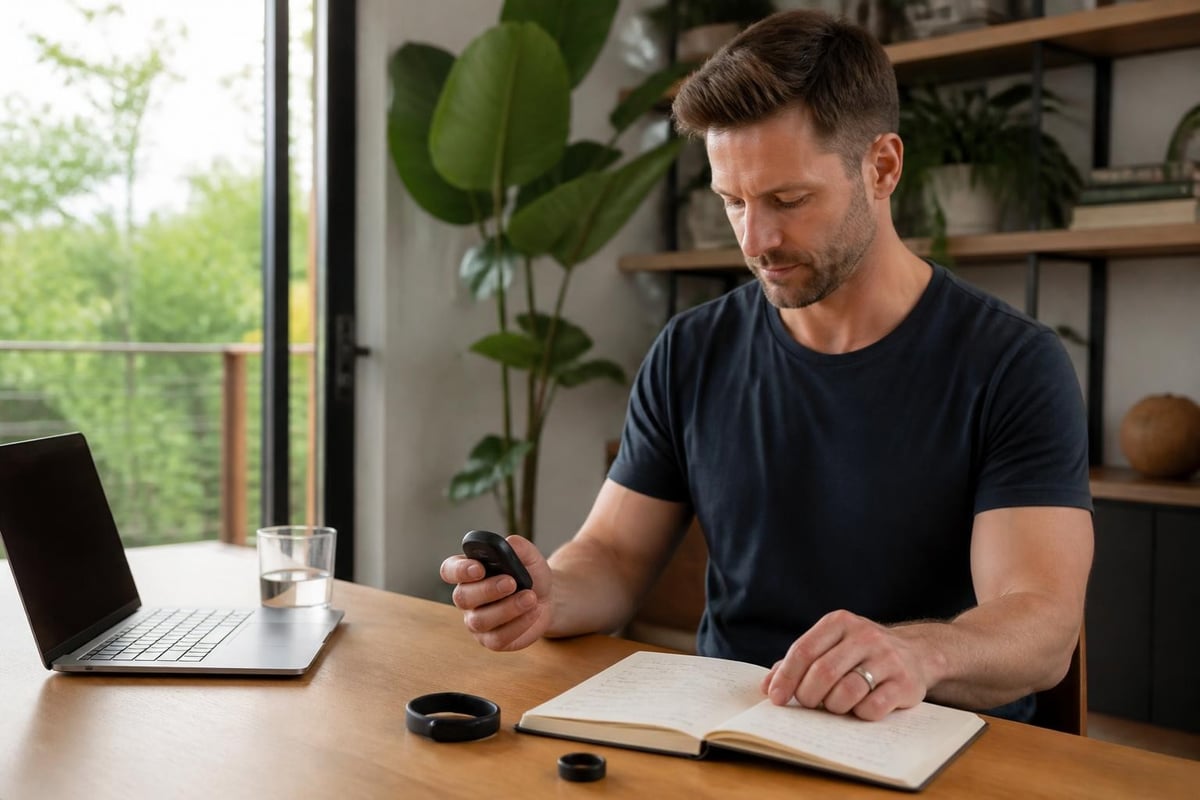
In 2026, the barrier to entry has dropped. Continuous glucose monitors no longer require a diabetes diagnosis. Wearables track sleep architecture, not just duration. At-home blood panels measure dozens of biomarkers. This access creates opportunity and risk in equal measure.
The technology produces data. It does not interpret it. A glucose spike after rice tells you what happened. It does not tell you whether your pancreas is struggling, whether your cortisol is elevated, or whether the reading would change under different sleep conditions. That requires context, baselines, and in many cases, a physician's review.
Where to Begin: The Low-Risk Foundations
The safest entry points into biohacking are the ones that align with established medical guidance. These interventions carry minimal downside and considerable upside when applied consistently.
Sleep Optimization
Sleep is the single highest-leverage target for most people. Poor sleep degrades cognition, metabolic health, immune function, and emotional regulation. Fixing it improves all four.
Practical steps:
- Set a fixed wake time, even on weekends
- Limit light exposure after sunset (blue-blocking glasses if needed)
- Keep the bedroom below 19°C (66°F)
- Avoid caffeine after 2 PM
- Track sleep stages with a validated wearable
Temperature matters more than most expect. Core body temperature must drop to initiate deep sleep. A warm room prevents that drop. A cool room accelerates it.
Wearables provide useful feedback on duration and stages, but the data has limits. A 2024 validation study against polysomnography found that deep sleep accuracy varies between devices. Use the trends, not the absolute numbers.
Light Exposure Timing
Circadian rhythm drives dozens of metabolic processes. Misalignment between the internal clock and external schedule leads to insulin resistance, inflammation, and mood disturbance.
Bright light in the first hour after waking anchors the circadian system. Dim light after sunset prevents melatonin suppression. These are non-negotiable inputs for anyone attempting to optimize recovery or performance.
Morning protocol:
- 10-30 minutes of outdoor light within one hour of waking
- No sunglasses during this window
- Cloudy days require longer exposure
Evening protocol:
- Dim all overhead lights after 8 PM
- Use warm-spectrum bulbs (2700K or lower)
- Avoid screens or use blue-blocking software
This is free, immediate, and backed by decades of chronobiology research. It also requires no blood work, no supplements, and no specialist.
Intermediate Interventions: Tracking and Supplementation
Once the foundational behaviors are in place, the next layer involves measurement and targeted supplementation. This is where biohacking begins to diverge from general wellness advice.
Continuous Glucose Monitoring
Continuous glucose monitors (CGMs) were developed for diabetics. By 2026, they are widely used by athletes, executives, and longevity-focused individuals. The device measures interstitial glucose every few minutes and sends the data to a phone.
The value is not in the average. It is in the variability. Two people with the same fasting glucose may have wildly different postprandial responses. One spikes to 160 mg/dL after oatmeal and crashes two hours later. The other rises to 120 and holds steady. That difference affects energy, focus, and long-term metabolic health.
Wearing a CGM for two to four weeks reveals which foods, meal timing, and activity patterns stabilize your glucose. That information can then guide diet adjustments without guesswork.
| Metric | Target Range | Clinical Significance |
|---|---|---|
| Fasting glucose | 70-100 mg/dL | Baseline insulin sensitivity |
| Peak postprandial | <140 mg/dL | Glycemic excursion control |
| Time in range | >90% | Day-to-day stability |
| Glucose variability | <20 mg/dL SD | Predictability and resilience |
These numbers represent optimization, not pathology. A fasting glucose of 95 mg/dL is clinically normal. It is also improvable.
Nootropics and Cognitive Enhancement
Nootropics are substances taken to improve cognitive function. The category includes caffeine, prescription medications, and unregulated compounds sold online. The evidence base varies widely.
Tier 1: Evidence-supported and widely available
- Caffeine: Improves alertness, reaction time, and working memory at 100-200 mg. Tolerance develops within two weeks.
- L-theanine: Reduces the jitteriness of caffeine when combined at a 2:1 ratio. Mild anxiolytic effect.
- Creatine monohydrate: may improve short-term memory and reasoning, with little effect seen in young healthy adults.
Tier 2: Promising but less robust
- Rhodiola rosea: Adaptogen with moderate evidence for reducing mental fatigue
- Bacopa monnieri: Some trials show improved memory formation after 12 weeks
- Lion's mane mushroom: Animal studies suggest nerve growth factor stimulation; human data is limited
Tier 3: Popular but unproven
- Modafinil (prescription): Used off-label for focus. Carries risk of dependence and cardiovascular strain.
- Racetams: Minimal human evidence despite decades of use in online communities
- Proprietary blends: Often underdosed or spiked with unlisted stimulants
The safest starting point is caffeine plus L-theanine, dosed in the morning. Creatine adds a second layer with no meaningful side effects at standard doses. Beyond that, the risk-benefit ratio tilts and physician input becomes essential.

Cold and Heat Exposure
Deliberate cold exposure activates brown adipose tissue, increases norepinephrine, and may improve insulin sensitivity. The evidence comes mostly from controlled laboratory studies, not free-living populations.
A 2025 network meta-analysis found that 10 to 15 minutes of cold-water immersion after exercise reduced creatine kinase and improved jump performance.
Practical cold protocol:
- 2-4 minutes in 10-15°C (50-59°F) water
- 2-3 times per week
- Post-workout or as a standalone session
- Avoid if you have cardiovascular issues or Raynaud's
Heat exposure through sauna use has stronger longevity signals. A Finnish cohort study in middle-aged men found that 4-7 sauna sessions per week were associated with about 40% lower all-cause mortality than once-weekly use. Confounding is likely, but the direction is consistent across studies.
Advanced Biohacking: When to Involve a Physician
The boundary between self-experimentation and medical intervention is not always clear. Some biohacks cross into prescription territory. Others require baseline testing to avoid harm.
Peptide Therapy and Hormonal Interventions
Peptides are short chains of amino acids that signal specific cellular responses. Some are sold as research chemicals. Others require a prescription. The distinction is regulatory, not pharmacological.
Common peptides in the biohacking space include:
- BPC-157: Promoted for tissue repair; no human trials
- Thymosin Beta-4: Studied in animals for wound healing
- Sermorelin and Ipamorelin: Growth hormone secretagogues; controlled evidence on body composition in adults is limited
These compounds are not supplements. They are bioactive molecules with systemic effects. Using them without baseline hormone panels, liver function tests, and physician oversight introduces risk that most people underestimate.
At Healthi Life, peptide protocols follow a diagnostic baseline and are supervised throughout. The physician reviews markers every 60-90 days, adjusts dosing, and monitors for side effects. The protocol is built on data, not anecdote.
Genetic and Epigenetic Testing
DNA testing provides fixed information: variants in genes related to caffeine metabolism, lactose tolerance, or drug response. Epigenetic testing measures how those genes are expressed right now. The first is static. The second changes with behavior.
In 2026, epigenetic age clocks are commercially available. They estimate biological age based on methylation patterns in your DNA. A 45-year-old with an epigenetic age of 38 is aging more slowly than average. One with an epigenetic age of 52 is aging faster.
These tests are not diagnostic. They are directional. Use them to validate interventions over time, not to generate anxiety over a single result.
What to test first:
- Comprehensive metabolic panel
- Lipid panel (standard and advanced particle size)
- HbA1c and fasting insulin
- hs-CRP and homocysteine
- Vitamin D, B12, and ferritin
This panel costs a fraction of genetic testing and provides actionable information within a week. Run it every six months if you are actively optimizing.
What the Data Does Not Tell You
Biohacking generates numbers. Numbers feel objective. But context determines meaning.
A fasting glucose of 95 mg/dL might be excellent for someone coming off prediabetes. It might be a warning sign for someone previously at 82. The number alone says nothing.
Heart rate variability (HRV) illustrates the same problem. An HRV of 60 ms is below average for a 30-year-old. It is above average for a 55-year-old. It is also lower during stress, higher during rest, and affected by alcohol, sleep debt, and meal timing. Chasing a single target without understanding the variables creates noise, not signal.
The Risk of Over-Optimization
Biohacking can become compulsive. Checking glucose 40 times a day. Adjusting supplement stacks weekly. Obsessing over a 2% decline in HRV. This is not optimization. It is anxiety dressed as data.
The goal is resilience, not control. A robust system tolerates variation. It does not require perfect inputs to function. Over-optimization often produces the opposite: a system that is fragile, reactive, and dependent on constant intervention.

Common Mistakes and How to Avoid Them
Changing Too Many Variables at Once
You start a new supplement stack, begin intermittent fasting, and switch to a cold shower routine in the same week. Two weeks later, you feel better. Which intervention worked? You have no idea.
The scientific method requires isolation. Change one variable. Measure. Wait long enough for the effect to stabilize. Then change the next. This takes patience. It also produces knowledge.
Ignoring the Fundamentals
No supplement compensates for poor sleep. No peptide protocol fixes a sedentary lifestyle. No nootropic stack outperforms eight hours of rest. The fundamentals are called fundamentals because they form the foundation. Build on them or build on sand.
The hierarchy:
- Sleep (7-9 hours, consistent schedule)
- Movement (resistance training 3x/week, daily walking)
- Nutrition (whole foods, adequate protein, stable glucose)
- Stress management (meditation, breathwork, or equivalent)
- Everything else
Most people invert this. They add exogenous ketones while sleeping five hours a night. They take ashwagandha while skipping the gym. It is inefficient and expensive.
Trusting Anecdote Over Evidence
Online biohacking communities are valuable for discovering new interventions. They are not reliable for determining whether those interventions work. A Reddit post with 500 upvotes is not a clinical trial.
Anecdote generates hypotheses. Evidence tests them. Conflating the two leads to wasted money, wasted time, and occasionally, harm.
The Role of Medical Supervision
Self-experimentation has limits. Those limits are defined by risk, complexity, and the need for prescription access.
A physician brings three things:
- Baseline data: Blood work, imaging, and functional testing before you start
- Risk assessment: Contraindications based on your history, medications, and genetics
- Adjustment authority: The ability to modify protocols when the data changes
This is not about permission. It is about precision. A well-run longevity program uses continuous biomarker tracking to adjust interventions every 60-90 days. That level of responsiveness is not possible without medical oversight.
When to Stop Self-Directing
If you are considering peptides, hormones, or prescription nootropics, consult a physician first. If your baseline labs show abnormalities, do the same. If you are over 40 and have never had advanced imaging or a full lipid panel, start there before adding a single supplement.
The goal is not to avoid self-experimentation. The goal is to experiment within the boundaries where the downside is low and the upside is measurable.
Building a Long-Term Biohacking Practice
Biohacking is not a 30-day protocol. It is a continuous process of measurement, adjustment, and refinement. The best practitioners treat it as a practice, not a project.
Annual rhythm:
- Q1: Comprehensive labs and imaging
- Q2: Review data with physician, implement changes
- Q3: Track and refine based on subjective and objective feedback
- Q4: Re-test key markers, plan for next year
This rhythm prevents drift. It also prevents the trap of adding interventions without ever removing them. If a supplement or protocol has not moved the needle in six months, stop it. Free up the budget and the cognitive load for something else.
The Difference Between Optimization and Medicine
Biohacking optimizes. Medicine treats. The line between them is bright until it is not.
If your fasting insulin is 18 mIU/L, you are not diabetic. You are also insulin resistant. That is a biohacking problem today. It is a medical problem in five years if it is not addressed. Acting early, with data, is the entire point.
The best longevity work happens in the space between symptom and diagnosis. That space is where biohacking, done correctly, delivers the highest return.
Practical Next Steps for 2026
Start with the free interventions. Fix sleep, light exposure, and movement. Track subjective energy and focus for 30 days. If those improve, the foundation is working.
Add one measurable input. Wear a CGM for a month or run a baseline blood panel. Use the data to guide one change. Test again in 60 days.
Do not add a second intervention until the first has stabilized. Do not skip the physician if you are moving beyond lifestyle. Do not mistake data for understanding.
Biohacking works when it is deliberate, measured, and adjusted over time. It fails when it is reactive, untested, and driven by the next trend.
Biohacking is the practice of using data, interventions, and iteration to improve health and performance. The safest path begins with foundational behaviors, adds measurement, and escalates only when the data supports it. For high-net-worth individuals in Bangkok seeking physician-supervised optimization, Healthi Life offers three to twelve month longevity programs built on up to 300 biomarkers, with continuous medical supervision and scheduled re-testing. Every protocol is tailored to your baseline and adjusted as the data evolves.
This page is for information only and is not medical advice. Medical consultation and prescription are available online and on site at Healthi Life, Ekkamai, Bangkok.
Every medicine named on this page is dispensed only after a medical consultation at Healthi Life and on a physician's prescription. No dosing schedule is published here; the dose is set by the prescribing physician. This page is published for transparency, not as an offer to supply.
Frequently asked questions
What is biohacking?
Biohacking sits at the intersection of biology, data, and personal experimentation. It covers nutrigenomics, wearable tracking, nootropics, environmental control, and physical interventions like cold exposure or fasting windows. Some approaches rest on published research, while others rely on self-tracking and anecdote.
Where should a beginner start with biohacking?
Start with sleep and light exposure, since they carry minimal downside. Keep a fixed wake time, a bedroom below 19 degrees Celsius, and caffeine before 2 PM. Get 10 to 30 minutes of outdoor light within one hour of waking, and dim overhead lights after 8 PM.
Are nootropics and peptides safe to try on your own?
Evidence varies widely. Caffeine with L-theanine and creatine are the best-supported starting points. Peptides such as BPC-157 are bioactive molecules with systemic effects, and using them without baseline hormone panels, liver function tests, and physician oversight introduces risk that most people underestimate.
Do I need a continuous glucose monitor to biohack?
No, it is an intermediate step. Wearing a monitor for two to four weeks can show which foods, meal timing, and activity patterns stabilize your glucose, since variability matters more than the average. The device produces data but does not interpret it, so context and sometimes physician review are needed.
What are the most common biohacking mistakes?
The main mistakes are changing too many variables at once, ignoring the fundamentals of sleep, movement, nutrition, and stress management, and trusting anecdote over evidence. Over-optimization is another risk, such as checking glucose constantly or adjusting supplement stacks weekly, which can become anxiety dressed as data.