
BPC-157 vs TB-500: Evidence, Mechanism and Safety
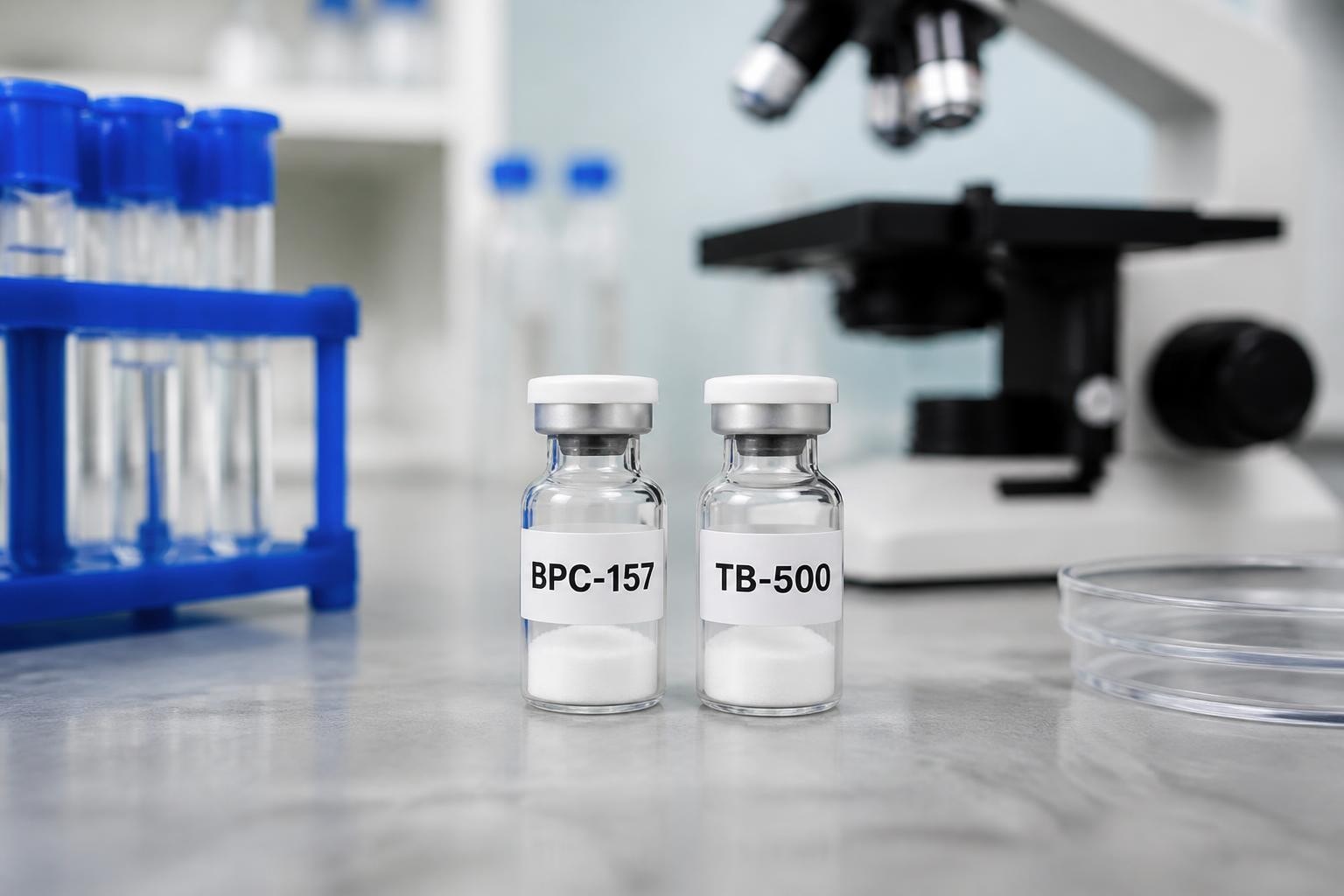
BPC-157 vs TB-500 compared: mechanism of action, human evidence, healing timelines and Thailand pricing. A physician's view on both peptides.
This page is for general information and does not constitute medical advice, diagnosis, or treatment. Results vary between individuals. BPC-157 peptide is a prescription medicine, dispensed and administered only after assessment by a licensed physician. This page is medical information, not an advertisement or an offer of treatment. Every medicine and peptide listed here is dispensed only after a medical consultation at Healthi Life and on a physician's prescription. Prices are published for transparency, not as an offer to supply. Always consult a qualified physician about your condition. See our full medical disclaimer.
BPC-157 and TB-500 appear frequently in the same conversations about tissue repair, yet they differ in origin, mechanism and the quality of evidence behind them. BPC-157 derives from a gastric protective protein; TB-500 is a synthetic fragment of thymosin beta-4, a naturally occurring peptide involved in cell migration and wound healing. Neither is approved by the FDA or any major regulator as a drug. Both are classified as prohibited substances for competitive athletes. Human clinical trial data remain limited for BPC-157 and mixed for TB-500, so decisions around use depend entirely on physician judgment, individual health data and informed consent.
BPC-157 vs TB-500: Summary Comparison
BPC-157 shows promise in preclinical models for tendon, ligament and gut repair. TB-500 has been studied in wound healing, cardiac injury and inflammation, though most published data come from animal models or in vitro work. Recent evidence reviews summarize the orthopaedic literature, noting that neither peptide has completed a Phase 3 trial or received regulatory clearance. Both are available for off-label use under medical supervision in certain jurisdictions, including Thailand. Prices at Healthi Life are THB 3,500 per injection for BPC-157 and THB 4,800 for TB-500. These figures reflect direct, physician-supervised dispensing; no consultation or baseline testing is included. This guide is published by the Healthi Life longevity clinic in Bangkok.
| Feature | BPC-157 | TB-500 |
|---|---|---|
| Mechanism | Stabilizes growth factor receptors, promotes angiogenesis, inhibits inflammatory cascades | Enhances cell migration, upregulates actin, supports blood vessel formation |
| Human Evidence | Minimal; no published Phase 2 or 3 trials | Limited; Phase 2 data in topical use; no systemic approval |
| Typical Timeline | 4–8 weeks; depends on injury type and biomarker tracking | 4–12 weeks; slower kinetics observed in preclinical work |
| Downtime | None; subcutaneous injection | None; subcutaneous or intramuscular injection |
| Thailand Cost (per injection) | THB 3,500 | THB 4,800 |
Every medicine and peptide listed here is dispensed only after a medical consultation at Healthi Life and on a physician's prescription. Prices are published for transparency, not as an offer to supply.

What BPC-157 Is and How It Is Studied
BPC-157 stands for Body Protective Compound-157, a synthetic 15-amino-acid peptide derived from a fragment of human gastric juice protein. Laboratory studies in rats and mice have shown protective effects in tendon injury, muscle tear, ligament rupture, and gastric ulceration. Comprehensive reviews detail the pharmacology but also highlight formulation instability, short half-life and the absence of published human pharmacokinetic data.
Key points from the preclinical literature:
- Promotes collagen deposition in rat Achilles tendon models
- Accelerates angiogenesis in ischemic injury
- Reduces inflammatory cytokines in gut injury models
- May interact with nitric oxide pathways and vascular endothelial growth factor signaling
No human trial has been registered or completed for BPC-157 in the United States or European Union. The peptide is not manufactured to FDA Good Manufacturing Practice standards for pharmaceutical use. Investigative journalism has raised questions about supply-chain integrity and the extrapolation of rodent data to clinical practice. In 2026, BPC-157 remains a research compound, used off-label under medical discretion.
What TB-500 Is and Its Origins
TB-500 is marketed as a synthetic version of thymosin beta-4, a 43-amino-acid peptide present in nearly all human cells. Original mechanistic work demonstrated that thymosin beta-4 regulates actin polymerization, cell migration and angiogenesis. It plays a role in embryonic development, wound repair and cardiac remodeling after injury.
Differences Between Thymosin Beta-4 and TB-500
Thymosin beta-4 is the endogenous molecule. TB-500 is a commercial preparation, often sold as the full 43-amino-acid sequence but sometimes as the active 7-amino-acid fragment (Ac-SDKP). Quality and purity vary by supplier. No regulatory body has approved thymosin beta-4 or TB-500 as a therapeutic drug. Clinical trials using thymosin beta-4 have targeted epidermolysis bullosa, dry-eye syndrome and venous stasis ulcers, with mixed outcomes and no resulting approvals.
Key mechanistic actions:
- Binds G-actin and prevents polymerization
- Promotes endothelial cell migration and tube formation
- Downregulates TNF-alpha and other pro-inflammatory cytokines
- Enhances keratinocyte and fibroblast motility in wound beds
Because it is not approved, TB-500 is used off-label. Physicians prescribing it do so on the basis of animal data, mechanistic plausibility and individual patient biomarkers, not randomized controlled trials.
Comparing Mechanisms: How BPC-157 and TB-500 May Work
Both peptides influence tissue repair, but they do so through distinct pathways. Understanding this helps physicians decide whether one, both or neither fits a given case.
BPC-157 is thought to stabilize growth factor receptors, particularly those for vascular endothelial growth factor and fibroblast growth factor. It may increase nitric oxide availability, which supports vasodilation and angiogenesis. Animal studies suggest it accelerates collagen cross-linking and reduces oxidative stress in injured tissue.
TB-500 acts primarily on the actin cytoskeleton. By sequestering G-actin, it frees cells to migrate into damaged areas. This mechanism is crucial in wound healing, where fibroblasts, endothelial cells and keratinocytes must move to the injury site. TB-500 also upregulates matrix metalloproteinases, enzymes that remodel extracellular matrix during repair.
| Pathway | BPC-157 | TB-500 |
|---|---|---|
| Angiogenesis | Growth factor receptor stabilization | Endothelial cell migration |
| Inflammation | Cytokine modulation (IL-6, TNF-alpha) | Cytokine downregulation (TNF-alpha, IL-1) |
| Collagen | Enhanced cross-linking in tendon models | Indirect; supports fibroblast activity |
| Migration | Limited data | Direct promotion via actin regulation |
Neither peptide has been tested head-to-head in a human trial. Systematic reviews note that most comparison relies on extrapolating from separate animal experiments conducted under different conditions.
Evidence Quality: What the Data Show and Do Not Show
The central limitation in any bpc 157 vs tb 500 discussion is the lack of human efficacy data. Preclinical models are valuable for hypothesis generation, but they do not predict clinical outcomes. Rodents heal faster, have different immune responses and metabolize peptides differently from humans.
BPC-157 Evidence
- No Phase 1, 2 or 3 human trials published
- Rat and mouse studies show tendon, ligament and gastric benefits
- Mechanism remains partly speculative; receptor targets not fully mapped
- Stability and bioavailability in humans unknown
TB-500 Evidence
- Limited Phase 1 and 2 data in topical formulations
- No systemic (injectable) approval by any regulatory authority
- Animal studies support wound healing, cardiac repair and anti-fibrotic effects
- Human pharmacokinetics poorly characterized
Both peptides appear on the World Anti-Doping Agency Prohibited List, classified under S0 (non-approved substances). This prohibits their use in competitive sport and signals that regulators consider their safety and efficacy unproven.
Practical Use: Timelines, Dosing and Monitoring
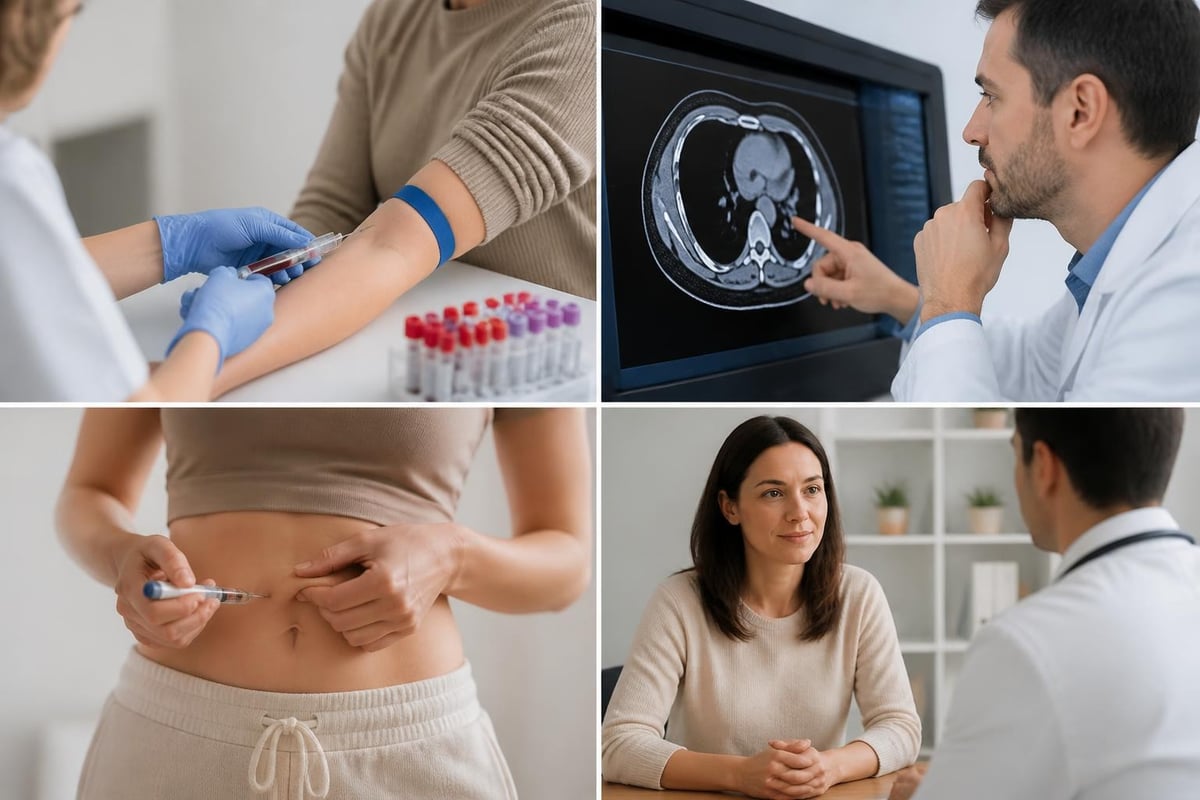
At Healthi Life in Ekkamai, Bangkok, peptides are prescribed only after a consultation with a licensed physician. The process begins with baseline biomarkers: inflammatory markers (CRP, IL-6), imaging of the affected tissue (ultrasound or MRI) and a discussion of goals, risks and alternatives. Dosing schedules are determined by the physician based on individual response and are not published.
- BPC-157 is typically given subcutaneously. Users report improvement in tendon or joint discomfort within four to eight weeks, though no controlled trial confirms this timeline.
- TB-500 is administered subcutaneously or intramuscularly. Reported timelines extend to twelve weeks, reflecting its slower mechanism of action on cytoskeletal remodeling.
Monitoring includes:
- Follow-up imaging at four-week intervals
- Repeat inflammatory markers to assess systemic response
- Functional assessment (range of motion, pain scales, performance metrics)
- Discussion of side effects or lack of response
Physicians may adjust, discontinue or combine therapies based on these data. Combination protocols using both peptides are sometimes considered, though no published evidence supports synergy.
Safety Profile and Regulatory Status
Neither BPC-157 nor TB-500 has a published adverse-event database from formal human trials. Anecdotal reports suggest low rates of injection-site reactions and rare systemic symptoms (headache, fatigue, mild nausea). No long-term safety data exist.
Potential concerns include:
- Unknown effects on tumor biology; animal data show angiogenic and proliferative signals
- Lack of quality control in non-pharmaceutical-grade suppliers
- Absence of established contraindications, drug interactions or maximum safe dose
In Thailand, peptides may be prescribed off-label by licensed physicians under the Medical Council's regulations. This does not imply endorsement by the Thai FDA or international regulators. Patients using these peptides should be informed that they are participating in an uncontrolled, individual therapeutic trial guided by physician judgment.
Peptide therapy injections at Healthi Life follow a protocol of informed consent, baseline testing, physician review and scheduled follow-up. No peptide is dispensed without these steps.
Choosing Between BPC-157 and TB-500
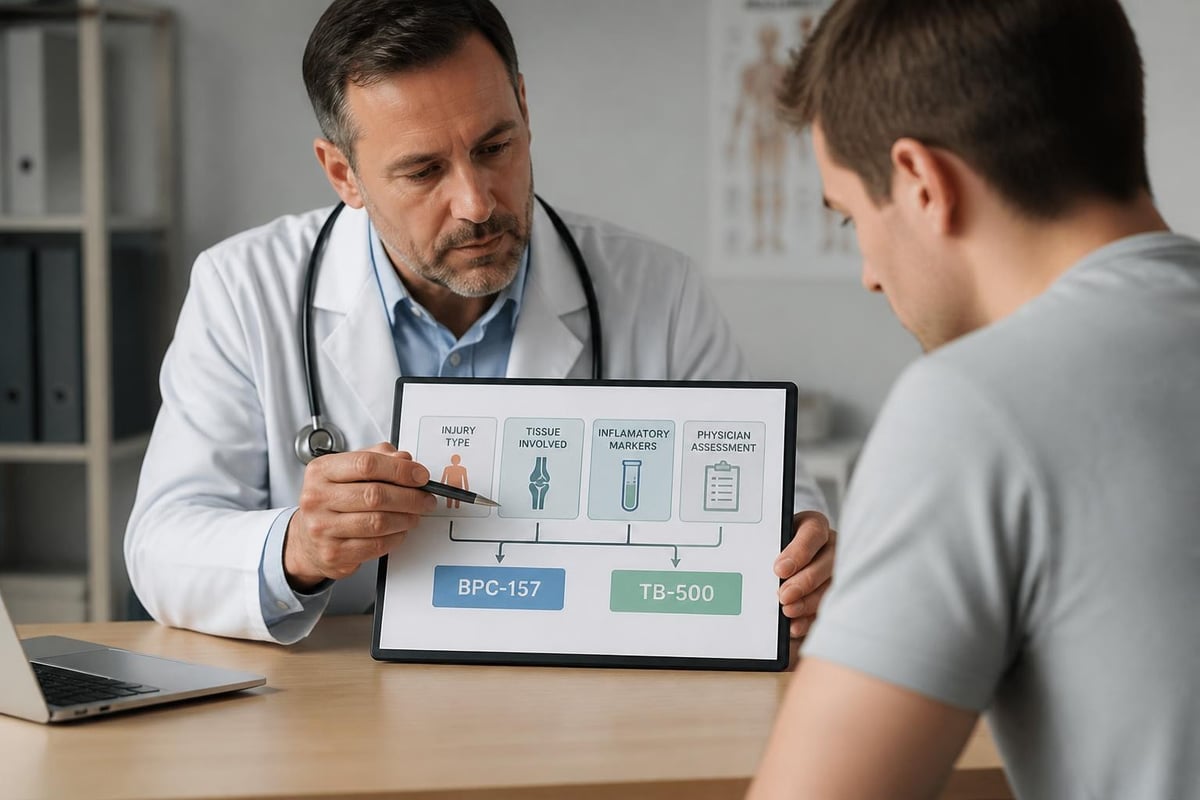
The decision rests on the injury type, the tissue involved, baseline inflammation and the patient's tolerance for uncertainty. Neither peptide is a first-line therapy. Both are considered after conventional treatments (physical therapy, corticosteroid injection, surgical repair) have been evaluated.
BPC-157 may be preferred when:
- The primary concern is tendon or ligament injury
- Gastric or gut protection is also relevant (e.g., concurrent NSAID use)
- Rapid symptom relief is a priority, though this is not guaranteed
TB-500 may be preferred when:
- The injury involves muscle tear or widespread soft-tissue damage
- Chronic inflammation is present and non-responsive to standard care
- The patient values the stronger mechanistic grounding in human cell biology
Some physicians prescribe both in sequence or rotation. This approach lacks formal study and adds complexity to monitoring and attribution. Combination use should be discussed with a physician who reviews biomarker trends at each step.
Cost, Access and Transparency
Peptide pricing varies widely by supplier and country. At Healthi Life, the cost is THB 3,500 per BPC-157 injection and THB 4,800 per TB-500 injection. These figures do not include the initial consultation (approximately THB 5,000) or baseline testing, which depends on the panel ordered.
Pricing transparency matters because many clinics do not disclose per-unit costs, bundling them into packages that obscure the actual price. Publishing unit prices allows patients to compare and budget accurately.
Peptides are not covered by Thai social insurance or most international health plans. They are out-of-pocket expenses. Patients typically purchase a course of four to eight injections, based on physician recommendation and interim response.
What to Expect During Treatment
Subcutaneous injection of BPC-157 or TB-500 takes less than one minute. The peptide is supplied in lyophilized (freeze-dried) form and reconstituted with bacteriostatic water immediately before use. Sterile technique and proper cold-chain handling are essential.
After injection:
- No mandatory downtime
- Light activity is permitted; heavy loading of the injured area is deferred
- Follow-up within two to four weeks to review symptoms and biomarkers
- Adjustment or discontinuation if no objective improvement is seen
Peptides for recovery and sleep are part of a broader class of compounds used in performance and regenerative medicine. They are tools, not solutions. The outcome depends on the underlying pathology, concurrent therapies and individual biology.
Integrating Peptides Into a Longevity Programme
For patients enrolled in structured programs, peptides are one element among many. Recovery and performance medicine at Healthi Life includes IV therapy, cellular therapy, biomarker tracking and physician review. Peptides fit within this framework when baseline data support their use and when the patient understands the evidence gap.
A typical integration:
- Diagnostic baseline: imaging, inflammatory markers, functional assessment
- Physician consultation: review of injury, prior treatments, peptide rationale
- Peptide prescription: BPC-157, TB-500 or alternative, based on case
- Four-week re-test: repeat biomarkers and imaging
- Adjustment: continue, stop, switch or add therapy based on data
This structure turns an uncontrolled experiment into a monitored intervention. The physician tracks what works, what does not and why, building a longitudinal record that informs future decisions.
Frequently Asked Questions
Is BPC-157 better than TB-500 for tendon injuries?
No published human trial compares them. Preclinical data suggest BPC-157 may support collagen cross-linking; TB-500 supports cell migration. The physician chooses based on injury type and baseline inflammation.
How long does it take to see results from BPC-157 or TB-500?
Reported timelines range from four to twelve weeks. Objective improvement (reduced inflammation, restored range of motion) is confirmed by repeat imaging and biomarker testing, not by symptom report alone.
Are BPC-157 and TB-500 safe for long-term use?
No long-term safety data exist. Both are used in limited courses (four to eight weeks) under physician supervision. Continuous or unsupervised use is not recommended.
Can I use both peptides at the same time?
Some protocols combine them. No study validates this approach. It adds cost and complexity. The physician decides after reviewing baseline data and response to monotherapy.
Do I need a prescription for BPC-157 or TB-500 in Thailand?
Yes. At Healthi Life, all peptides are dispensed on a physician's prescription following consultation and baseline testing. Over-the-counter or online purchase bypasses medical oversight and quality assurance.
BPC-157 and TB-500 represent investigational tools in regenerative medicine, not proven therapies. Their use depends on physician judgment, patient consent and objective tracking. At Healthi Life, every peptide protocol begins with a medical consultation, biomarker review and a clear discussion of what is known and what is not. The house model ensures continuity: the same physician reviews your data, adjusts your protocol and decides with you at every step.
Every medicine named on this page is dispensed only after a medical consultation at Healthi Life and on a physician's prescription. No dosing schedule is published here; the dose is set by the prescribing physician. This page is published for transparency, not as an offer to supply.
- 5.0 Google Rating · 238 reviews
- 2,500+ Guests
- 50+ Countries
- 2025 Regenerative Clinic of the Year in Asia-Pacific — GlobalHealth Asia-Pacific Awards