
Cold Plunge Benefits: What the Science Shows in 2026
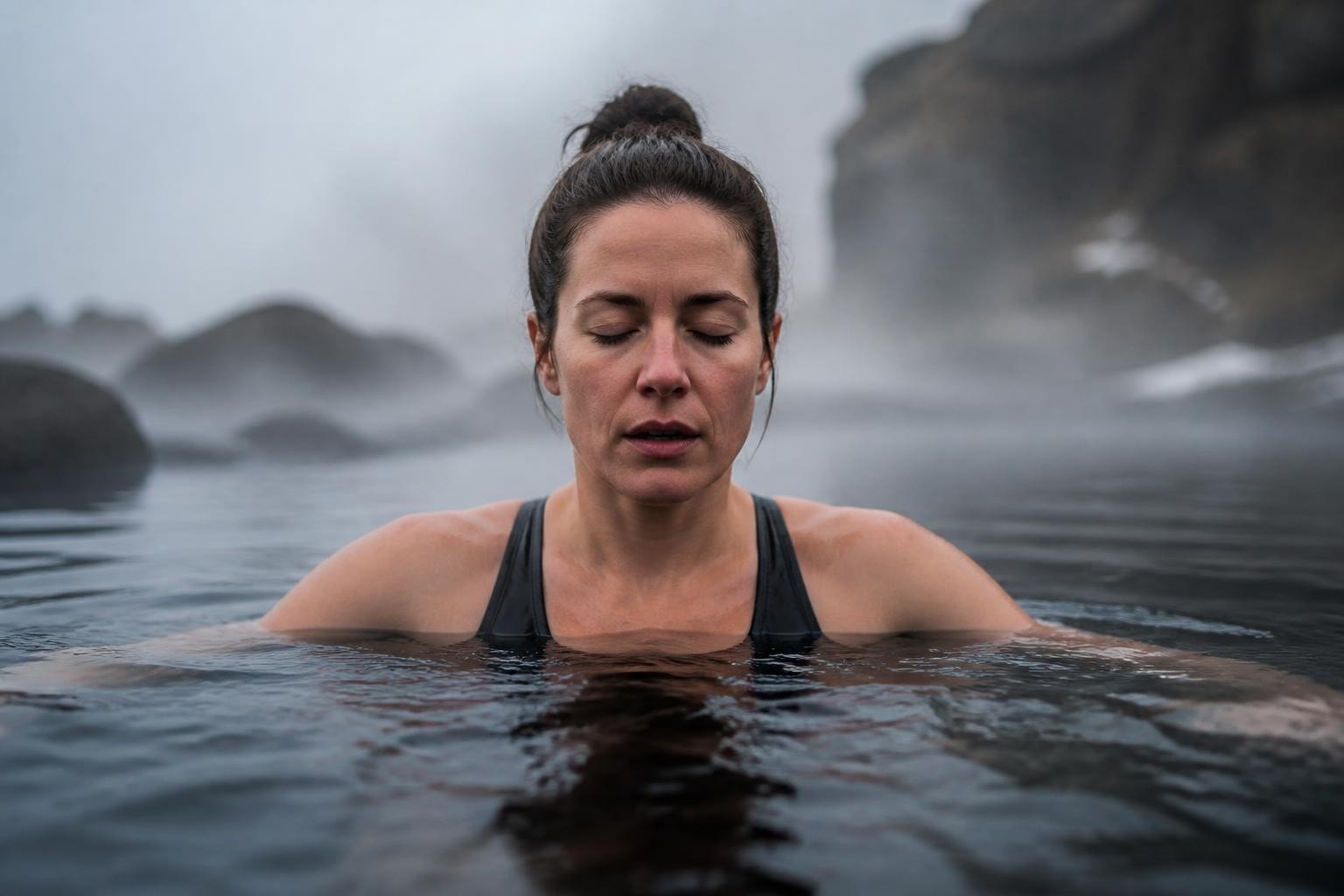
Cold plunge benefits backed by research: cardiovascular adaptation, inflammation control, metabolic function, and mood regulation.
This page is for general information and does not constitute medical advice, diagnosis, or treatment. Results vary between individuals. Always consult a qualified physician about your condition. See our full medical disclaimer.
Cold water immersion has moved from athletic recovery to daily health practice. The question is no longer whether cold plunge benefits exist, but which effects are reproducible, which populations respond, and how to dose exposure safely. The data set is growing. Systematic reviews now cover metabolic markers, autonomic function, immune parameters, and subjective wellbeing. Some findings are consistent. Others remain inconclusive. What follows is a measured review of what physicians can say with confidence, what remains unclear, and how cold exposure fits into a structured longevity program.
Cardiovascular Response and Adaptation
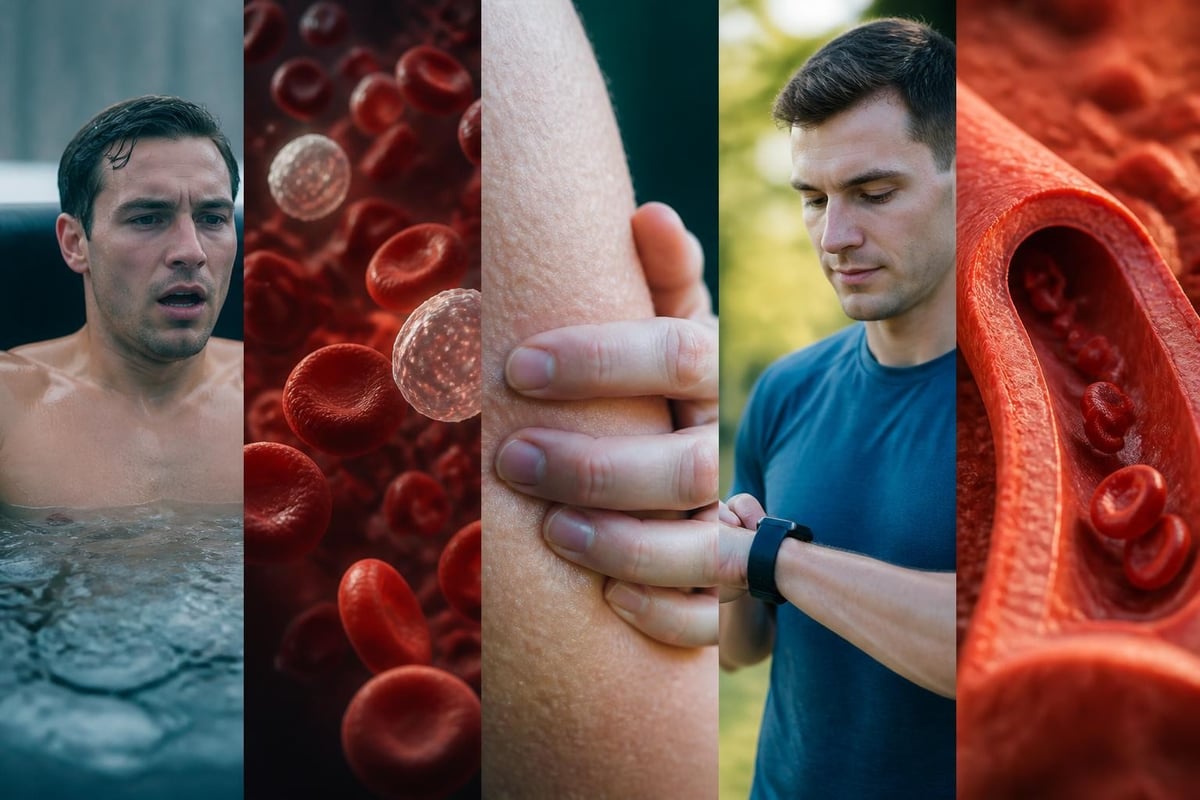
Cold water triggers immediate peripheral vasoconstriction. Blood pressure rises. Heart rate increases during the first sixty seconds. Cardiac output shifts. The sympathetic nervous system activates within seconds of submersion. These are not side effects. They are the mechanism.
Acute cardiovascular changes during immersion:
- Systolic blood pressure increase of 15 to 25 mmHg in healthy adults
- Heart rate elevation followed by parasympathetic rebound upon exit
- Peripheral resistance surge as vessels constrict to preserve core temperature
- Catecholamine release, primarily norepinephrine, peaking within two minutes
The Harvard Health perspective notes that individuals with uncontrolled hypertension, recent myocardial infarction, or unstable angina face measurable risk during the initial plunge. The spike in afterload can precipitate arrhythmia or ischemic events in vulnerable individuals. Medical clearance is not optional for this group.
Chronic adaptation differs. Repeated exposure over weeks reduces the magnitude of the sympathetic surge. Baseline heart rate variability improves in some cohorts. Endothelial function, measured by flow-mediated dilation, shows modest improvement in small trials. The effect size is not dramatic. The direction is favorable.
Temperature, Duration, and Dose
Water temperature determines intensity. Duration determines total thermal load. The combination defines the stimulus.
| Water Temperature | Typical Duration | Sympathetic Intensity | Suitable For |
|---|---|---|---|
| 10–12°C | 2–4 minutes | High | Trained individuals |
| 13–15°C | 3–6 minutes | Moderate-high | Regular practitioners |
| 16–18°C | 5–10 minutes | Moderate | Beginners with clearance |
Most published trials use 10 to 15°C for three to five minutes. Shorter exposures at colder temperatures produce similar catecholamine response. Longer sessions at moderate cold extend thermal stress without additional autonomic benefit. The sweet spot is brief and cold, not prolonged and tepid.
Frequency matters. Daily immersion drives adaptation more reliably than sporadic use. Three to five sessions per week sustain norepinephrine baseline elevation. Once weekly is insufficient to shift autonomic tone. The body adapts to what it encounters regularly.
Inflammation and Immune Markers
Cold water immersion modulates inflammatory signaling. The evidence base includes randomized trials measuring cytokines, acute phase reactants, and leukocyte profiles before and after exposure protocols. Results are mixed, but patterns emerge.
A 2025 meta-analysis published in PLOS ONE found that regular cold water immersion reduced circulating interleukin-6 (IL-6) in five of seven included studies. C-reactive protein (CRP) showed no consistent change. Tumor necrosis factor alpha (TNF-α) declined modestly in two trials, remained unchanged in three. The authors concluded that cold exposure exerts a mild anti-inflammatory effect, mediated partly through vagal activation and partly through cortisol pulsing.
Observed immune and inflammatory effects:
- Transient increase in circulating leukocytes immediately post-immersion
- Mild reduction in resting IL-6 after four to six weeks of daily exposure
- Increased natural killer (NK) cell activity in some cohorts
- No change in immunoglobulin levels or infection rates in controlled trials
The immune response is biphasic. Acute cold stress elevates cortisol and mobilizes immune cells. Chronic exposure appears to recalibrate baseline inflammation downward, possibly through enhanced parasympathetic tone. The mechanism is not fully mapped. The signal is detectable.
Metabolic Effects and Brown Adipose Tissue
Cold activates brown adipose tissue (BAT). BAT burns fatty acids to generate heat via uncoupling protein 1 (UCP1). This is non-shivering thermogenesis. Adults retain functional BAT in supraclavicular and paraspinal depots. Cold exposure recruits it.
Positron emission tomography studies show increased glucose uptake in BAT following repeated cold water immersion. The effect is dose-dependent. Ten sessions over two weeks produce measurable BAT activation. Single exposures do not.
Metabolic outcomes include:
- Increased energy expenditure during and after immersion, averaging 100 to 250 kcal per session
- Improved insulin sensitivity in small trials, mediated by BAT-derived batokines
- Modest reduction in visceral adipose tissue in overweight individuals after twelve weeks of regular exposure
- Elevated baseline metabolic rate in cold-acclimated subjects
The magnitude is meaningful but not transformative. Cold plunge benefits on body composition require consistent practice over months. It is not a replacement for dietary intervention or resistance training. It is an adjunct.
Hormonal Shifts
Cold immersion triggers acute hormonal responses. Norepinephrine rises two to three-fold within minutes. Cortisol increases moderately. Growth hormone pulses in some studies, though effect size varies.
Chronic cold exposure does not produce sustained elevation in these hormones. The body adapts. The acute spike diminishes with habituation. What persists is improved sympathetic-parasympathetic balance, reflected in heart rate variability and resting heart rate.
Testosterone and thyroid hormones show no consistent change in healthy adults. Claims of sustained anabolic benefit lack support in controlled trials.
Psychological and Neurological Outcomes
Cold water immersion affects mood and stress resilience. Subjective reports are positive. Objective data are emerging.
A systematic review covering randomized controlled trials found that regular cold exposure reduced perceived stress and improved mood scores on validated scales. Effect sizes were small to moderate. The mechanism likely involves norepinephrine's role in attention and arousal, combined with psychological effects of deliberate discomfort.
Psychological benefits supported by trial data:
- Reduced scores on the Beck Depression Inventory in two small trials
- Improved subjective wellbeing on the Short Form-36 health survey
- Increased self-reported energy and alertness post-immersion
- Enhanced perceived stress tolerance after four weeks of daily practice
These are not pharmacological effects. They are adaptations to a controlled stressor. The practice builds tolerance. Tolerance generalizes to other domains. The effect is real but difficult to isolate from placebo and expectation.
Safety Considerations and Contraindications
Cold plunge benefits accrue to those who can tolerate the practice safely. Not everyone can.
Absolute contraindications:
- Uncontrolled hypertension (systolic >160 mmHg)
- Recent myocardial infarction or unstable angina
- History of cold-induced arrhythmia
- Raynaud's disease or severe peripheral vascular disease
- Pregnancy (insufficient safety data)
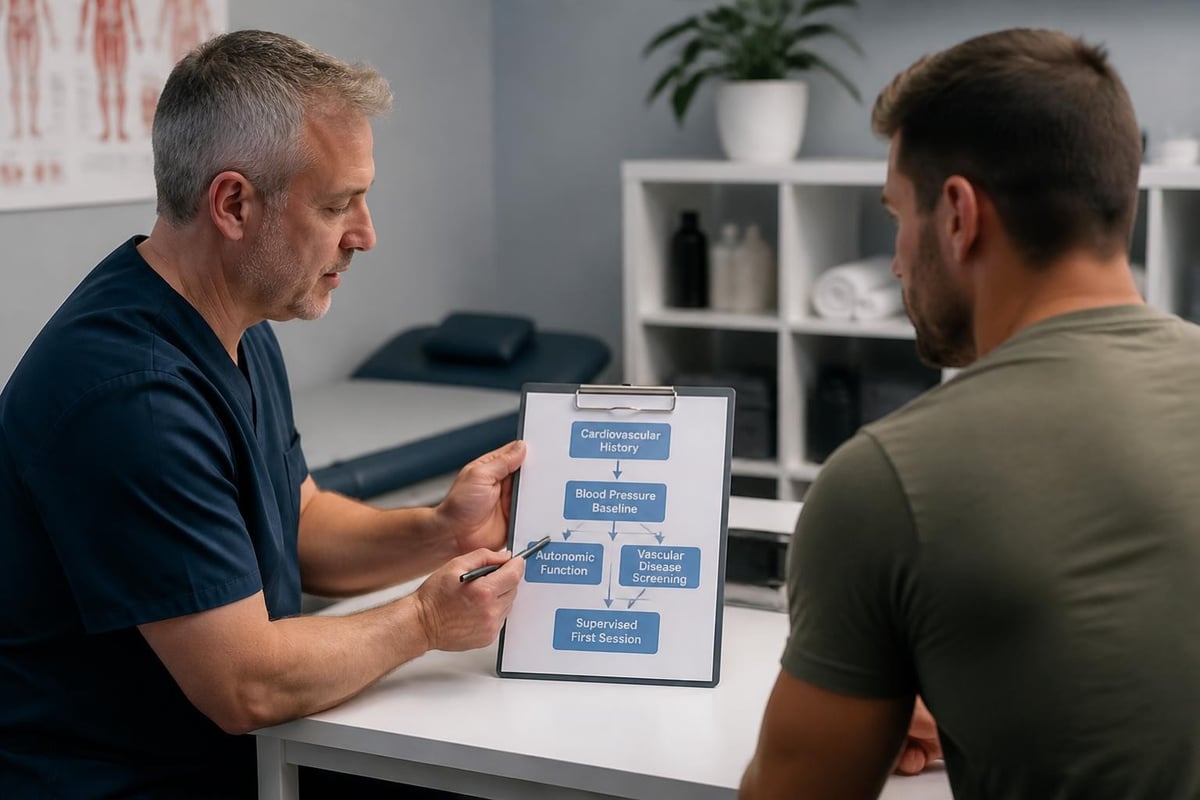
Relative contraindications include age over seventy without prior cold exposure, moderate cardiovascular disease under treatment, and autonomic neuropathy. These individuals require physician clearance and supervised initial sessions.
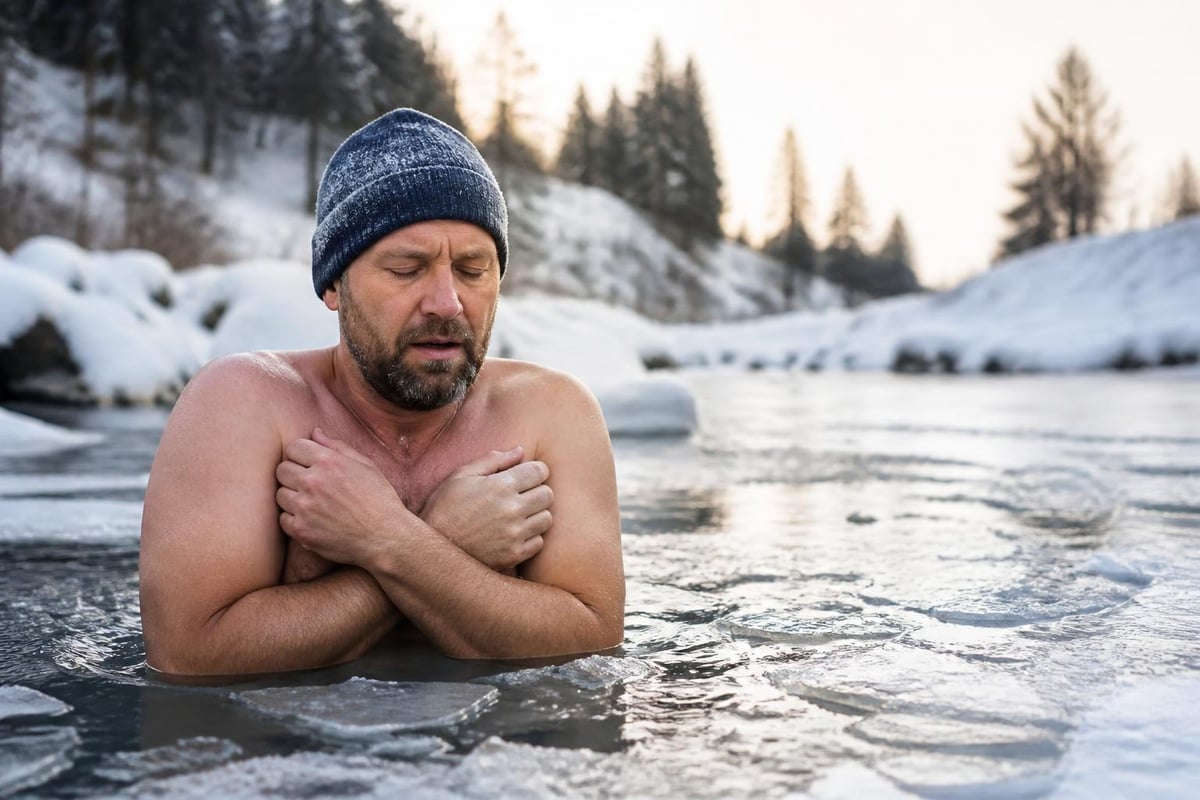
Cold shock response is the primary acute risk. Gasping, hyperventilation, and disorientation occur in the first thirty seconds. Drowning risk is real in unsupervised or open-water settings. Controlled environments with handholds and shallow depth mitigate this.
Hypothermia is uncommon in brief, supervised sessions but becomes probable with prolonged exposure or water below 10°C without acclimation.
Infection control in shared plunge tanks requires attention. Biofilm, bacteria, and opportunistic pathogens accumulate without proper filtration and sanitation. Public health guidance recommends continuous filtration, regular testing for coliforms and pseudomonas, and user hygiene protocols.
Integration into Recovery and Longevity Protocols
Cold water immersion is not a monotherapy. It is a tool. The question is where it fits.
Athletes use cold immersion for post-exercise recovery. The data show reduced muscle soreness and perceived fatigue. The effect on performance in subsequent sessions is neutral to slightly negative in some trials. Cold may blunt hypertrophic signaling if applied immediately after resistance training. Timing matters.
In a longevity context, cold exposure serves as a hormetic stressor. It challenges thermoregulation, activates metabolic pathways, and trains autonomic resilience. These are desirable adaptations when applied to a healthy baseline. They are risky when applied to unstable physiology.
At Recovery & Performance in Ekkamai, cold protocols are introduced only after biomarker review and physician consultation. Cardiovascular status, cortisol rhythms, inflammatory markers, and metabolic health are assessed first. The cold is added when the system can respond, not when it is already burdened.
Frequency, temperature, and duration are personalized. A forty-year-old executive with optimal cardiovascular health and low baseline inflammation may tolerate daily five-minute sessions at 12°C. A sixty-year-old with borderline hypertension and elevated CRP may start with three sessions per week at 16°C, with heart rate monitoring during immersion.
The protocol adjusts based on response. Biomarkers are re-tested. Heart rate variability is tracked. The physician decides whether to intensify, maintain, or pause.
Practical Implementation
Cold plunge benefits depend on consistency and control. The setup matters.
Operational parameters for safe practice:
- Water temperature maintained between 10 and 15°C, measured continuously
- Immersion depth to mid-chest or shoulders, not over the head initially
- Duration of two to five minutes, increased gradually over weeks
- Supervision or immediate assistance available during first ten sessions
- Warm, dry environment for recovery post-immersion
- Prohibition of immersion under the influence of alcohol or sedatives
Entry should be gradual. The cold shock response is most intense in the first thirty seconds. Controlled breathing prevents hyperventilation. Exhale fully before lowering shoulders below the waterline.
Exit is deliberate. Stand slowly. Peripheral vasoconstriction can cause orthostatic hypotension. Dizziness upon standing is common. Dry off and warm passively. Active rewarming via hot shower immediately after immersion may reduce some adaptive signaling.
Evidence Gaps and Ongoing Questions
The literature on cold plunge benefits is expanding but incomplete. Most trials are small. Follow-up is short. Control conditions vary.
Unresolved questions:
- Optimal exposure frequency and duration for different outcomes
- Long-term effects on cardiovascular structure and autonomic function
- Differential response by sex, age, and baseline metabolic health
- Interaction with pharmacological interventions, especially beta-blockers and vasodilators
- Durability of benefits after cessation of regular practice
Many published studies lack sham controls. It is difficult to blind participants to cold immersion. Placebo effects are substantial in subjective outcome measures like mood and energy. Objective markers like cytokine levels and BAT activity are less susceptible to bias, but sample sizes remain small.
The evidence supports cold immersion as a safe, low-cost intervention for cardiovascular and metabolic health in screened individuals. It does not support claims of immune invincibility, guaranteed fat loss, or universal mood transformation. The effect is real. The magnitude is modest. The requirement is consistency.
Cold plunge benefits are reproducible in individuals whose cardiovascular and metabolic systems can handle the acute stress. The data support improved autonomic balance, modest anti-inflammatory effects, and enhanced metabolic flexibility when cold exposure is dosed correctly and sustained over time. At Healthi Life, every recovery and performance protocol follows consultation with a licensed physician who reviews your baseline biomarkers and decides whether cold immersion is appropriate for your current physiology. Measure first, then intervene. Visit Healthi Life to begin with a physician-led assessment in Ekkamai, Bangkok.
This page is for information only and is not medical advice. Medical consultation and prescription are available online and on site at Healthi Life, Ekkamai, Bangkok.