
Estradiol Levels: Testing, Reference Ranges & When to Act

Estradiol levels measure a key hormone for bone, skin, mood and metabolic health. A physician reviews numbers, physiology and next steps.
This page is for general information and does not constitute medical advice, diagnosis, or treatment. Results vary between individuals. Every medicine and peptide listed here is dispensed only after a medical consultation at Healthi Life and on a physician's prescription. Prices are published for transparency, not as an offer to supply. Always consult a qualified physician about your condition. See our full medical disclaimer.
Estradiol levels measure the concentration of the most potent estrogen in your blood. A physician interprets the number, the timing within your cycle or life stage, and whether it matches the symptoms you report. In adults over forty, estradiol levels fall during perimenopause and continue declining after menopause, affecting bone, skin, metabolic rate, and neural function. Testing is ordered when symptoms appear, when deciding whether to start therapy, and during treatment to confirm dosing is safe and effective.
What Estradiol Does in the Body
Estradiol is synthesized primarily in the ovaries before menopause and in peripheral tissues afterward. It binds to estrogen receptors throughout the body: bone, brain, skin, vascular endothelium, liver, and adipose tissue. Binding activates gene transcription that maintains bone mineral density, supports collagen synthesis, modulates lipid metabolism, and regulates neurotransmitter systems that influence mood and memory. Healthi Life is a physician-led longevity clinic in Bangkok.
In men, estradiol is produced by aromatization of testosterone in adipose and neural tissue. The hormone is not optional; it supports bone health, libido, and joint function. Low estradiol in men is associated with increased fracture risk and reduced sexual function.
How the Body Regulates Estradiol
The hypothalamic-pituitary-ovarian axis controls production. Gonadotropin-releasing hormone from the hypothalamus stimulates the pituitary to release follicle-stimulating hormone and luteinizing hormone. These act on the ovaries to produce estradiol during the follicular phase, peaking just before ovulation.
After menopause, ovarian production ceases. Residual estradiol comes from aromatase activity in fat tissue converting androgens. Levels drop to a fraction of premenopausal peaks, often below 20 pg/mL.
In men, aromatase activity in adipose tissue and the brain converts circulating testosterone. Levels remain stable until andropause, when declining testosterone reduces substrate availability.
Reference Ranges for Estradiol Levels
The normal range depends on sex, age, and menstrual phase. Labs report in picograms per milliliter (pg/mL) or picomoles per liter (pmol/L). One pg/mL equals approximately 3.67 pmol/L.
| Population | Estradiol Level (pg/mL) | Estradiol Level (pmol/L) |
|---|---|---|
| Premenopausal women (early follicular) | 30 – 100 | 110 – 367 |
| Premenopausal women (mid-cycle peak) | 100 – 400 | 367 – 1,468 |
| Premenopausal women (luteal phase) | 50 – 200 | 183 – 734 |
| Postmenopausal women (untreated) | < 20 | < 73 |
| Men (adult) | 10 – 40 | 37 – 147 |
| Postmenopausal on hormone therapy | 50 – 100 | 183 – 367 |
Reference ranges vary by laboratory and assay method. Mass spectrometry is preferred for low estradiol concentrations because immunoassays can yield false elevations when estradiol is below 30 pg/mL. The choice of assay matters when the physician is interpreting numbers close to the decision threshold.

Why Estradiol Levels Change Over Time
Levels fluctuate daily in premenopausal women and drop sharply during the transition to menopause. Perimenopause begins in the early forties for most women; estradiol levels become erratic, swinging from high to very low over weeks or months. Symptoms include irregular cycles, sleep disruption, hot flashes, joint pain, and changes in mood.
After menopause, estradiol stabilizes at low levels. Bone resorption accelerates; women lose 10 to 20 percent of bone density in the first five years after menopause. Skin thins, collagen production falls, and vascular compliance declines. Metabolic rate slows, and body composition shifts toward increased fat mass, especially visceral fat.
In men, estradiol levels decline gradually after age fifty as testosterone falls. Very low estradiol in men is linked to osteoporosis, sexual dysfunction, and increased cardiovascular risk. High levels, often from excess aromatization in obesity, can suppress libido and promote gynecomastia.
Medical Conditions That Alter Estradiol Levels
Primary ovarian insufficiency causes premature menopause, with estradiol dropping below 20 pg/mL before age forty. Polycystic ovary syndrome can produce irregular estradiol patterns. Ovarian tumors and adrenal tumors may secrete estradiol, elevating levels inappropriately.
In men, testicular failure, Klinefelter syndrome, and chronic liver disease alter estradiol. Obesity raises aromatase activity, converting more testosterone to estradiol and creating a hormonal imbalance that lowers free testosterone.
Medications also affect levels. Aromatase inhibitors, used in breast cancer treatment, suppress estradiol to nearly undetectable levels. Selective estrogen receptor modulators block estradiol action in some tissues while mimicking it in others.
When to Measure Estradiol Levels
A physician orders estradiol testing when a patient reports symptoms that suggest hormonal change, when considering hormone therapy, and during treatment to confirm dosing. Testing is not routine in asymptomatic individuals; the number is interpreted in the context of clinical findings.
Indications for Testing
Perimenopausal symptoms justify testing when the clinical picture is unclear. A woman in her forties with irregular cycles, hot flashes, and night sweats may have estradiol levels that vary widely from month to month. A single measurement may not clarify the diagnosis, but serial testing over weeks can reveal the pattern.
Before starting therapy, a baseline is useful. If the patient is already severely symptomatic, the baseline may be very low, confirming the indication. If levels are higher than expected, the physician reconsiders the diagnosis.
During hormone therapy, estradiol levels are checked to confirm absorption, rule out excessive dosing, and adjust the regimen. Transdermal patches, gels, and pellets produce different serum profiles. Oral estradiol undergoes first-pass metabolism, raising estrone more than estradiol; the prescribing information shows dose-response curves and expected peak levels.
In men with sexual dysfunction or osteoporosis, estradiol is measured alongside testosterone and sex hormone-binding globulin. If estradiol is very low despite normal testosterone, aromatase deficiency or inhibitor use may be the cause. If estradiol is high, obesity or liver disease is considered.
The clinical utility of liquid chromatography-tandem mass spectrometry assays improves accuracy in these scenarios, especially when estradiol is below 50 pg/mL or the decision hinges on small differences.
Interpreting Estradiol Test Results
The physician reviews the number, the timing of the test within the cycle if applicable, the patient's age, and the symptoms. A postmenopausal woman with an estradiol level of 8 pg/mL and severe hot flashes has a clear indication for therapy. A perimenopausal woman with a level of 60 pg/mL taken on day three of her cycle may still be symptomatic if her baseline was previously 120 pg/mL.

Factors That Influence the Result
Sample timing matters. In cycling women, the result varies by menstrual day. Testing on cycle day two or three gives a baseline follicular level. Testing mid-cycle captures the ovulatory peak. Random testing in perimenopause may show any value; the physician orders follicle-stimulating hormone and luteinizing hormone to clarify ovarian reserve.
Assay method affects accuracy. Immunoassays are faster and cheaper but less reliable below 30 pg/mL. Mass spectrometry is the standard when precision matters: in men, in postmenopausal women, and when adjusting low-dose therapy.
Medications and supplements can interfere. Biotin supplements above 5 mg/day cause false results in some immunoassays. Patients are asked to stop biotin three days before testing.
What the Numbers Mean for Bone, Skin, and Metabolism
Estradiol below 20 pg/mL in postmenopausal women accelerates bone loss. The National Osteoporosis Guideline Group recommends bone density screening and consideration of therapy when fracture risk is elevated. Estradiol-containing hormone therapy slows bone resorption and reduces fracture incidence when started within ten years of menopause.
Skin collagen synthesis declines as estradiol falls. Women in their fifties report changes in skin texture, elasticity, and healing. Estradiol therapy partially restores collagen production, though the effect is modest and slow.
Metabolic rate slows. Estradiol influences insulin sensitivity, lipid partitioning, and thermogenesis. Low levels are associated with increased visceral fat, higher fasting glucose, and worsening lipid profiles. Therapy does not reverse these changes completely but can slow progression.
Estradiol Levels and Hormone Replacement
Hormone therapy aims to restore estradiol to a physiologic range that relieves symptoms without increasing risk. The target is usually 50 to 100 pg/mL in postmenopausal women, roughly mid-follicular levels.
Transdermal estradiol produces steady levels with less impact on liver proteins than oral formulations. Patches are changed once or twice weekly; gels are applied daily. Pellets, implanted subcutaneously, release estradiol over three to six months and can produce higher peaks, sometimes above 200 pg/mL in the first weeks.
Oral estradiol is metabolized to estrone in the gut and liver, raising estrone sulfate disproportionately. The ratio of estradiol to estrone differs from physiologic production. Some patients prefer oral therapy for convenience despite the metabolic tradeoff.
Testing during therapy confirms absorption. A patient on transdermal estradiol with persistent symptoms and an estradiol level of 15 pg/mL is likely under-dosed or absorbing poorly. The physician increases the dose or switches formulation.
Every medicine and peptide listed here is dispensed only after a medical consultation at Healthi Life and on a physician's prescription.
Monitoring Frequency
Initial testing occurs four to six weeks after starting therapy, once steady-state levels are reached. If the level and symptom relief are appropriate, retesting is done annually or when symptoms change. More frequent monitoring is warranted if doses are adjusted, if the patient switches formulations, or if side effects appear.
In longevity medicine, estradiol is one marker among dozens. A physician designing a multi-month protocol measures estradiol alongside cortisol, thyroid hormones, insulin, inflammatory markers, and bone turnover markers to build a complete endocrine picture.
Estradiol in Men: When and Why to Test
Men synthesize estradiol from testosterone via aromatase. Levels between 10 and 40 pg/mL are typical. Very low estradiol, below 10 pg/mL, is seen in men on aromatase inhibitors or with genetic aromatase deficiency. Symptoms include joint pain, low libido, and bone loss.
High estradiol in men, above 50 pg/mL, usually signals obesity or exogenous testosterone use without dose adjustment. Excess aromatization produces gynecomastia, fluid retention, and reduced sexual function. The physician measures total and free testosterone, estradiol, and sex hormone-binding globulin to determine whether the problem is overproduction or low clearance.
Testing is indicated in men with osteoporosis, sexual dysfunction, or unexplained gynecomastia. If testosterone replacement is planned or ongoing, estradiol is measured at baseline and during follow-up. The goal is balance: enough estradiol to protect bone and brain, not so much that it suppresses androgen signaling.
Estradiol and Reproductive Health
In women planning pregnancy, estradiol levels are monitored during ovarian stimulation cycles. Guidelines on ovarian stimulation discuss when estradiol measurement informs dose adjustment and timing of ovulation triggers. Rising estradiol confirms follicle development; a sharp increase signals readiness for the next step.
In men with infertility, very low or very high estradiol can impair spermatogenesis. The physician measures estradiol, testosterone, luteinizing hormone, and follicle-stimulating hormone to identify the axis dysfunction. Treatment depends on the cause; aromatase inhibitors are used when estradiol is disproportionately high.
Estradiol measurement is not useful in all reproductive scenarios. Regular menstrual cycles in a woman under forty usually mean ovarian function is intact; testing adds little unless symptoms or fertility concerns arise.
Testing Methods and Accuracy
Two main assays measure estradiol: immunoassay and liquid chromatography-tandem mass spectrometry (LC-MS/MS). Immunoassays are faster and cheaper but cross-react with other steroids at low concentrations, producing falsely high results below 30 pg/mL. Mass spectrometry is preferred when estradiol is expected to be low: in men, in postmenopausal women, and in anyone on therapy aiming for levels below 50 pg/mL.
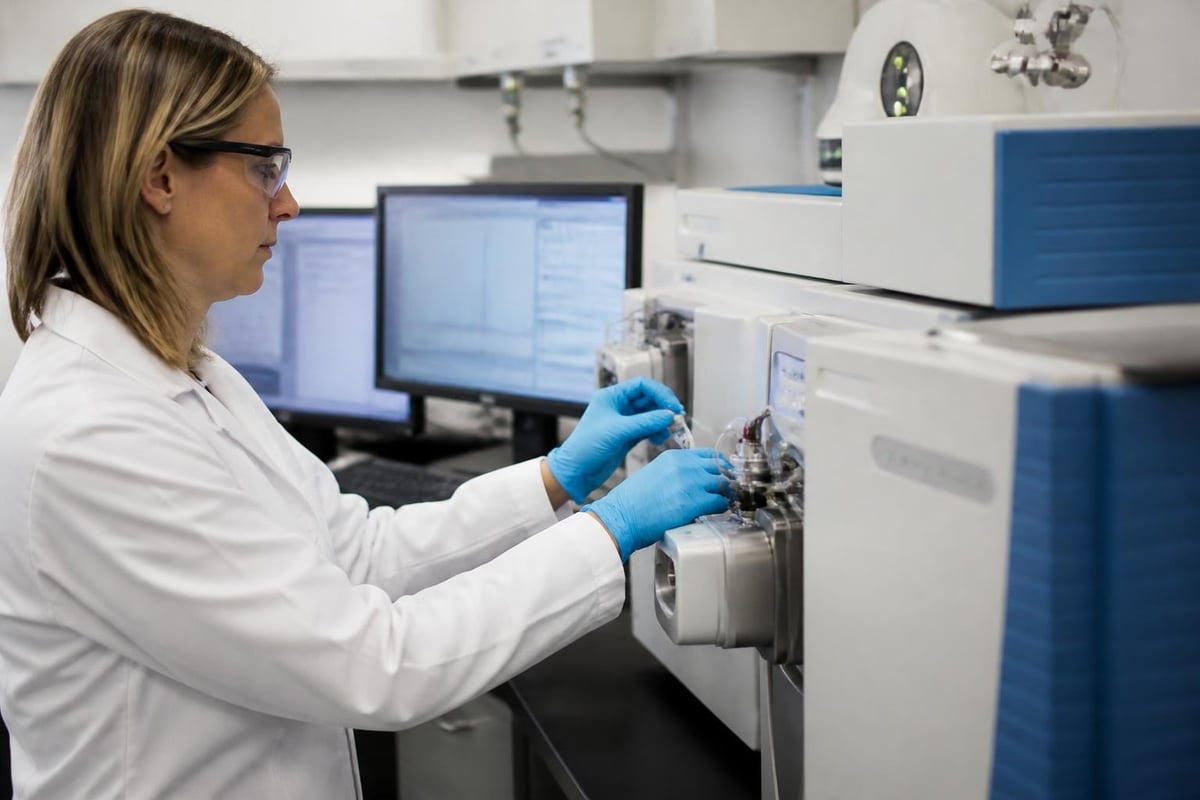
Sample handling matters. Estradiol is stable in serum for 24 hours at room temperature and one week refrigerated. Hemolysis can interfere with some immunoassays. Labs specify collection requirements; the physician ensures the sample is drawn and processed correctly.
Quality control varies. A lab using an accredited method and participating in proficiency testing produces reliable results. The physician asks which assay is used and whether the lab participates in external quality assessment.
Estradiol Levels at Healthi Life
Healthi Life in Ekkamai, Bangkok measures estradiol as part of advanced check-ups and longevity programs. Testing is ordered after a physician consultation, when the clinical question justifies the data. Results are reviewed one-to-one with a licensed doctor who interprets the number in the context of symptoms, other biomarkers, and the patient's goals.
The Foundation check-up includes hormone panels and costs THB 10,500, all-inclusive with no separate lab fees. More extensive assessments measure up to 300 biomarkers, including estradiol, testosterone, thyroid function, metabolic markers, inflammatory panels, and micronutrient status. The physician uses the data to design a protocol, not to generate a report without a plan.
Hormone therapy in Bangkok follows consultation and testing. The physician prescribes the formulation, dose, and monitoring schedule. Follow-up testing confirms that estradiol levels are appropriate and symptoms are controlled. Adjustments are made based on data and patient feedback, not on a fixed schedule.
When to Get Tested
Order an estradiol blood test if you have symptoms suggesting hormonal change: irregular periods, hot flashes, sleep disruption, unexplained joint pain, reduced libido, or cognitive changes. Testing is also indicated before starting hormone therapy, during dose adjustment, and if side effects appear.
In women, timing matters. The best baseline is cycle day two or three in the early follicular phase. If cycles are irregular or absent, the test can be done anytime, alongside follicle-stimulating hormone and luteinizing hormone to clarify ovarian status.
In men, testing is done in the morning when testosterone is highest. Estradiol, total testosterone, free testosterone, and sex hormone-binding globulin are measured together to assess the entire androgen-estrogen axis.
A physician reviews the result in context. A single estradiol level does not diagnose or exclude a condition; it is one data point in a clinical picture that includes history, exam, and other biomarkers.
Frequently Asked Questions
What is a normal estradiol level for a postmenopausal woman?
Untreated postmenopausal women typically have estradiol below 20 pg/mL. On hormone therapy, the target is usually 50 to 100 pg/mL, enough to relieve symptoms and protect bone without increasing risk. The physician adjusts dosing to match the individual response.
Can estradiol levels be too high?
Yes. Very high estradiol increases risk of blood clots, stroke, and breast tissue proliferation. Levels above 200 pg/mL in a postmenopausal woman on therapy suggest over-dosing or poor clearance. The physician reduces the dose and retests.
How often should estradiol be tested during hormone therapy?
Initially four to six weeks after starting or changing dose. Once stable and symptoms are controlled, annual testing is typical. More frequent testing is needed if symptoms return, side effects appear, or the formulation is switched.
Is estradiol testing covered by insurance?
Coverage depends on the insurer and the indication. Testing for documented menopausal symptoms or monitoring prescribed therapy is usually covered. Screening in asymptomatic individuals may not be. Check with your insurer before testing.
What is the difference between estradiol and total estrogen?
Estradiol is one of three main estrogens; the others are estrone and estriol. Estradiol is the most potent. Total estrogen assays measure all three but are less informative for clinical decision-making. Physicians order estradiol specifically because it is the active form.
Estradiol levels are a single biomarker within a larger hormonal and metabolic context. Symptoms, cycle history, and other lab results inform the physician's interpretation, and the number guides decisions about therapy and monitoring. At Healthi Life, testing is performed only when the clinical question is clear, and every result is reviewed one-to-one with a licensed doctor who translates data into an actionable plan.
Every medicine named on this page is dispensed only after a medical consultation at Healthi Life and on a physician's prescription. No dosing schedule is published here; the dose is set by the prescribing physician. This page is published for transparency, not as an offer to supply.
- 5.0 Google Rating · 238 reviews
- 2,500+ Guests
- 50+ Countries
- 2025 Regenerative Clinic of the Year in Asia-Pacific — GlobalHealth Asia-Pacific Awards