
GHK-Cu Peptide Injection: Evidence, Use and Safety
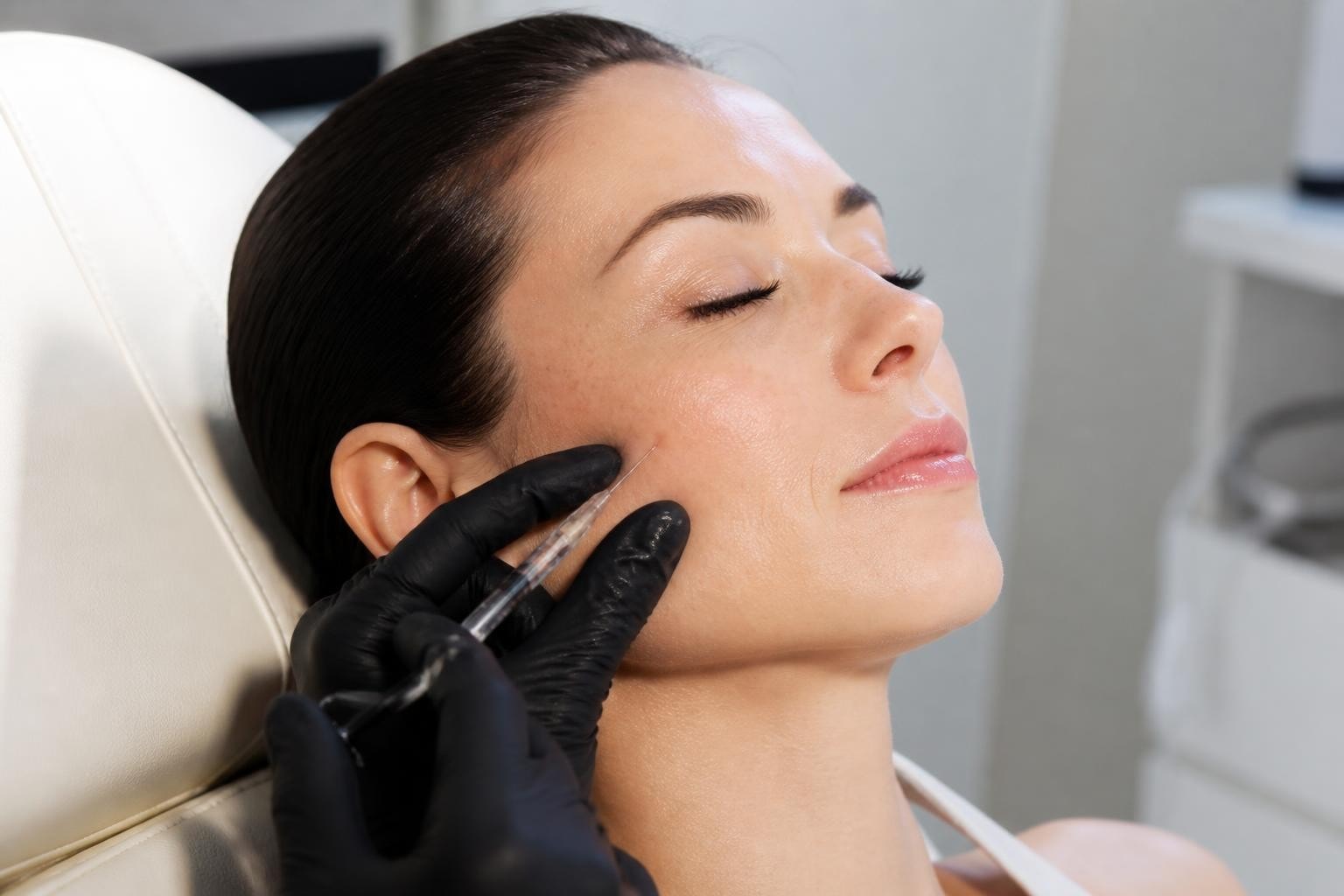
GHK-Cu peptide injection examined: mechanism, tissue regeneration data, administration, adverse events, and physician-supervised protocols in 2026.
This page is for general information and does not constitute medical advice, diagnosis, or treatment. Results vary between individuals. BPC-157 peptide is a prescription medicine, dispensed and administered only after assessment by a licensed physician. This page is medical information, not an advertisement or an offer of treatment. Every medicine and peptide listed here is dispensed only after a medical consultation at Healthi Life and on a physician's prescription. Prices are published for transparency, not as an offer to supply. Always consult a qualified physician about your condition. See our full medical disclaimer.
GHK-Cu is a copper-binding tripeptide investigated since the 1970s for tissue regeneration, collagen synthesis and wound healing. Originally isolated from human plasma, it has been studied in topical cosmetic formulations and, less commonly, as an injectable for systemic or local delivery. The ghk-cu peptide injection route is less documented than topical use, yet physicians occasionally administer it subcutaneously or intramuscularly for recovery, skin quality or joint repair. Published clinical evidence remains limited; most data derive from preclinical models and mechanistic studies. No regulatory body has approved ghk-cu peptide injection as a pharmaceutical, though it appears in compounded formulations and research protocols. Before considering any injectable peptide, a physician evaluates biomarkers, medical history and specific objectives.
What GHK-Cu Is and How It Works
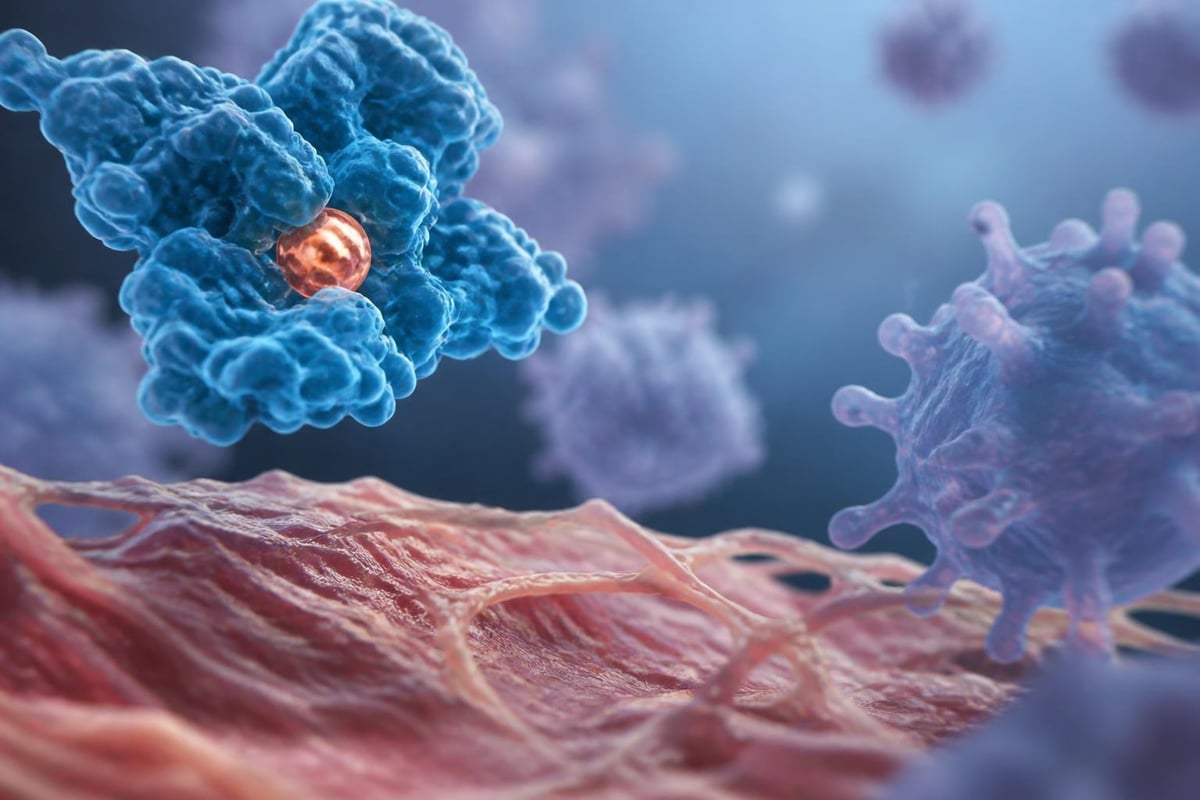
GHK-Cu is a naturally occurring tripeptide consisting of glycine, histidine and lysine, bound to a copper ion. Plasma concentration declines with age: approximately 200 ng/mL at age 20, falling to 80 ng/mL by age 60. The copper complex is thought to modulate gene expression, particularly genes involved in collagen deposition, matrix metalloproteinases and inflammatory cytokines. A comprehensive 2018 review by Pickart and Margolina documented that GHK affects more than 4,000 human genes, shifting their expression toward regeneration and away from chronic inflammation. Healthi Life is a physician-led longevity clinic in Bangkok.
The peptide also:
- Attracts immune cells to sites of injury
- Stimulates fibroblast migration and proliferation
- Increases collagen type I and elastin synthesis
- Downregulates TGF-β signaling implicated in fibrosis
- Enhances angiogenesis in wounded tissue
Copper acts as a cofactor. Without it, the tripeptide's activity diminishes. The complex dissociates in tissue fluids, releasing copper to catalyze lysyl oxidase, an enzyme that cross-links collagen and elastin. This biochemistry underlies the peptide's proposed role in wound closure, scar remodeling and dermal thickness.
Evidence for Injectable Administration
Most published studies examine GHK-Cu in topical gels or as an ingredient in cell culture. Subcutaneous and intramuscular injection protocols appear primarily in compounded prescriptions and specialist clinics. A recent narrative review summarized local and systemic peptide therapies, noting that most GHK-Cu research comes from animal models, that very few large clinical studies exist in humans, and that the FDA had placed injectable GHK-Cu on its list of compounding substances with significant safety risks.
Animal studies provide the strongest mechanistic data. A Frontiers in Pharmacology paper documented that GHK reduced pulmonary fibrosis in mice by inhibiting TGF-β1 pathways and restoring normal extracellular matrix turnover. Another Frontiers study examined a mouse model of colitis and found that GHK-Cu reduced inflammatory cytokines.
Published human data on injected GHK-Cu are essentially absent. Human studies to date concern topical skin products.
No large randomized trials have compared ghk-cu peptide injection to placebo for any indication. The peptide does not carry FDA approval as a drug, though it is listed in the FDA UNII registry as Copper Tripeptide-1, a recognized substance identifier.
Indications Physicians Consider
A physician may discuss ghk-cu peptide injection when a patient presents objectives aligned with the peptide's documented mechanisms: tissue repair, collagen synthesis, or local anti-inflammatory action. Common scenarios include:
- Post-procedure recovery following laser resurfacing, microneedling or surgical excision, where accelerated wound healing is desired.
- Skin quality and dermal thickness in patients seeking improvement beyond topical interventions.
- Joint or tendon repair as an adjunct to physical therapy, particularly for persistent tendinopathy unresponsive to rest.
- Hair restoration protocols where scalp fibrosis or chronic inflammation limits follicular activity.
Before initiating a ghk-cu peptide injection protocol, the physician reviews recent blood panels: copper status (serum copper and ceruloplasmin), liver enzymes, kidney function and inflammatory markers. Excess copper burden, Wilson disease or pre-existing hepatic impairment may contraindicate supplemental copper administration. A detailed medication list identifies any concomitant peptides, growth factors or immunosuppressants that might interact or confound outcome attribution.
Healthi Life's Recovery & Performance service offers physician-led peptide protocols following a consultation and biomarker review. Every protocol is tailored to the individual's laboratory data, medical history and stated goals, ensuring the intervention fits within a broader health strategy.
Administration Technique and Monitoring
Injection site, depth and frequency depend on the indication. For systemic regenerative goals, subcutaneous administration into abdominal fat or the upper arm is typical. For targeted tissue effect, the physician may inject near the site of injury: peri-articular for tendon repair, intradermal for skin quality, or into the scalp dermis for hair follicle support.
Volumes range from 0.3 to 1.0 mL per site. Higher concentrations allow smaller injection volumes. Some clinics mix GHK-Cu with bacteriostatic water immediately before administration; others use pre-compounded sterile vials refrigerated at 2–8°C.
Monitoring Parameters
- Baseline labs: copper, ceruloplasmin, liver function, kidney function
- Week 2–4: repeat liver enzymes and copper
- Week 6–8: reassess clinical objective (wound closure, pain score, cutometry, hair density)
- Adverse event log: injection-site reactions, systemic symptoms, any new medication
Patients often receive injections once or twice weekly for four to eight weeks. The physician then re-evaluates: has the objective improved? Are biomarkers stable? If no measurable change occurs by week 8, the protocol is discontinued or adjusted. Continuous indefinite injection without re-assessment is not standard practice.

Safety Profile and Reported Adverse Events
GHK-Cu is generally well tolerated when used in cosmetic topical formulations. The Cosmetic Ingredient Review Expert Panel concluded that copper tripeptide-1 is safe in cosmetics at current use concentrations, which are typically very low. Injectable use introduces different pharmacokinetics and requires separate safety consideration.
Common injection-site reactions:
- Erythema, mild swelling or bruising lasting one to three days
- Transient tenderness at the injection point
- Rare: nodule formation from improper injection depth
Systemic safety: no published case series documents the safety of injected GHK-Cu. The FDA has noted that compounded injectable GHK-Cu may pose a risk of immune reactions due to aggregation and peptide-related impurities.
Contraindications include:
- Known copper metabolism disorders (Wilson disease, Menkes disease)
- Active hepatitis or cirrhosis
- Pregnancy or lactation (insufficient safety data)
- Concurrent high-dose copper supplementation (>10 mg/day elemental copper)
For a full discussion of potential concerns, see GHK-Cu side effects. The physician adjusts the protocol or stops injections if liver tests or copper levels become abnormal.
Comparison with Other Peptide Injections
Patients often ask how ghk-cu peptide injection compares with other common regenerative peptides. Each acts through distinct pathways.
GHK-Cu does not stimulate the growth hormone axis, so it does not replace protocols that target IGF-1. It does not bind opioid receptors, so it lacks direct analgesic action (unlike some opioid-derived peptides). Its primary role is in the extracellular matrix: organizing collagen, modulating inflammation and supporting vascular ingrowth.
Some physicians combine GHK-Cu with BPC-157 for tendon injuries, hypothesizing additive effects through complementary pathways. No controlled trials validate such combinations; the physician monitors for cumulative injection-site irritation and adjusts accordingly. For a comparison of growth-hormone-related peptides, see sermorelin vs ipamorelin.
Formulation, Compounding and Stability
GHK-Cu degrades when exposed to light, heat or alkaline pH. Compounding pharmacies prepare it under strict conditions: sterile filtration, pH buffering to approximately 5.5–6.5, and storage in amber vials at 2–8°C. Stability after reconstitution depends on the formulation and should follow the compounding pharmacy's instructions.
Lyophilized (freeze-dried) powder is more stable. Vials shipped to clinics typically contain 5 or 10 mg powder that the pharmacist or physician reconstitutes immediately before use.
Patients occasionally ask about pre-filled syringes for self-administration. Home injection is not standard for ghk-cu peptide injection. Most protocols require clinical observation, at least initially, to ensure sterile technique, correct injection depth and immediate response to any adverse event. After several supervised sessions, a physician may authorize home use if the patient demonstrates competence and agrees to remote check-ins.
Integration into a Longevity or Recovery Protocol
GHK-Cu is not a stand-alone intervention. The physician embeds it within a broader plan that addresses nutrition, sleep, stress mitigation and other biomarkers. For example, a 52-year-old patient presenting with early skin laxity and declining collagen density might receive:
- Baseline biomarker panel: copper, ceruloplasmin, liver function, vitamin C, zinc
- Nutritional adjustment: adequate protein (1.6 g/kg), vitamin C 500 mg daily, zinc 15 mg
- Subcutaneous ghk-cu peptide injection twice weekly for eight weeks
- Monthly cutometry and visual grading scale assessment
- Re-test at week 8; continue, adjust or discontinue based on data
At Healthi Life, peptide therapy follows a physician consultation (2,500 THB) to review goals, interpret laboratory results and design the protocol. The peptide itself is prescribed separately, priced per vial and administration schedule.

Outcomes, Realistic Expectations and Timeline
Clinical improvement, when it occurs, unfolds over weeks to months. Skin elasticity changes measured by cutometry may appear after four to six weeks. Tendon pain reduction, if the peptide contributes, typically emerges around week six; MRI changes lag clinical symptoms. Hair density improvement, measured by trichoscopy, may require three to four months of combined therapy (peptide, microneedling, topical minoxidil).
No peptide delivers instant regeneration. The physician sets realistic milestones based on the literature and individual factors: age, baseline collagen status, concurrent therapies, adherence to nutrition and sleep protocols. A patient with severe photoaging, low vitamin C and poor sleep will not achieve magazine-cover skin through ghk-cu peptide injection alone.
The magnitude of any effect from injected GHK-Cu in humans has not been measured in published trials, and no result can be promised.
The physician re-tests at defined intervals. If laboratory markers worsen (rising liver enzymes, excessive copper) or the clinical target shows no change, the protocol is modified or discontinued.
Regulatory and Compounding Considerations
GHK-Cu is not an FDA-approved drug. In the United States, the FDA placed injectable GHK-Cu among compounding substances raising significant safety risks, citing possible immunogenicity. It is not a registered pharmaceutical.
Quality varies among compounders. Physicians request third-party assays: high-performance liquid chromatography (HPLC) to confirm peptide purity, sterility testing and endotoxin quantification. Certificates of analysis should accompany each batch. Patients are advised never to purchase peptides from non-pharmacy online vendors; purity cannot be verified, and contamination with heavy metals or bacterial endotoxin has been documented.
In Thailand, clinics offering ghk-cu peptide injection must operate under medical supervision. The prescribing physician holds a Thai medical license, reviews the patient's medical history and signs each protocol. Walk-in peptide injections without consultation do not meet this standard.
Frequently Asked Questions
Who should consider GHK-Cu peptide injection?
Patients with documented collagen deficiency, delayed wound healing or chronic soft-tissue inflammation who have not responded adequately to topical interventions. The physician evaluates baseline copper status and rules out contraindications before prescribing.
How long does one protocol last?
Typical protocols run six to eight weeks, with injections one to two times per week. The physician re-assesses at week 8. If outcomes justify continuation, the protocol may extend to twelve weeks; otherwise, it is paused or replaced.
Can I combine GHK-Cu with other peptides?
Combination is possible but must be physician-supervised. Concurrent BPC-157, TB-500 or growth-hormone-related peptides require integrated laboratory monitoring and may increase injection-site reactions.
What follow-up testing is required?
Copper, ceruloplasmin and liver enzymes at baseline, week 2–4 and week 8. Additional markers (inflammatory cytokines, imaging, skin biometry) depend on the clinical objective. Ongoing monitoring ensures safety and guides protocol adjustment.
GHK-Cu peptide injection offers a physician-supervised option for patients seeking tissue regeneration beyond topical formulations, supported by mechanistic research and limited clinical series. Every protocol at Healthi Life begins with biomarker review and a one-to-one consultation, ensuring the intervention aligns with your data, objectives and medical history. Measure first, understand the pathway, then decide under continuous supervision.
This page is for information only and is not medical advice. Medical consultation and prescription are available online and on site at Healthi Life, Ekkamai, Bangkok.
Every medicine named on this page is dispensed only after a medical consultation at Healthi Life and on a physician's prescription. No dosing schedule is published here; the dose is set by the prescribing physician. This page is published for transparency, not as an offer to supply.