
Grip Strength: What Your Hands Tell You About Longevity
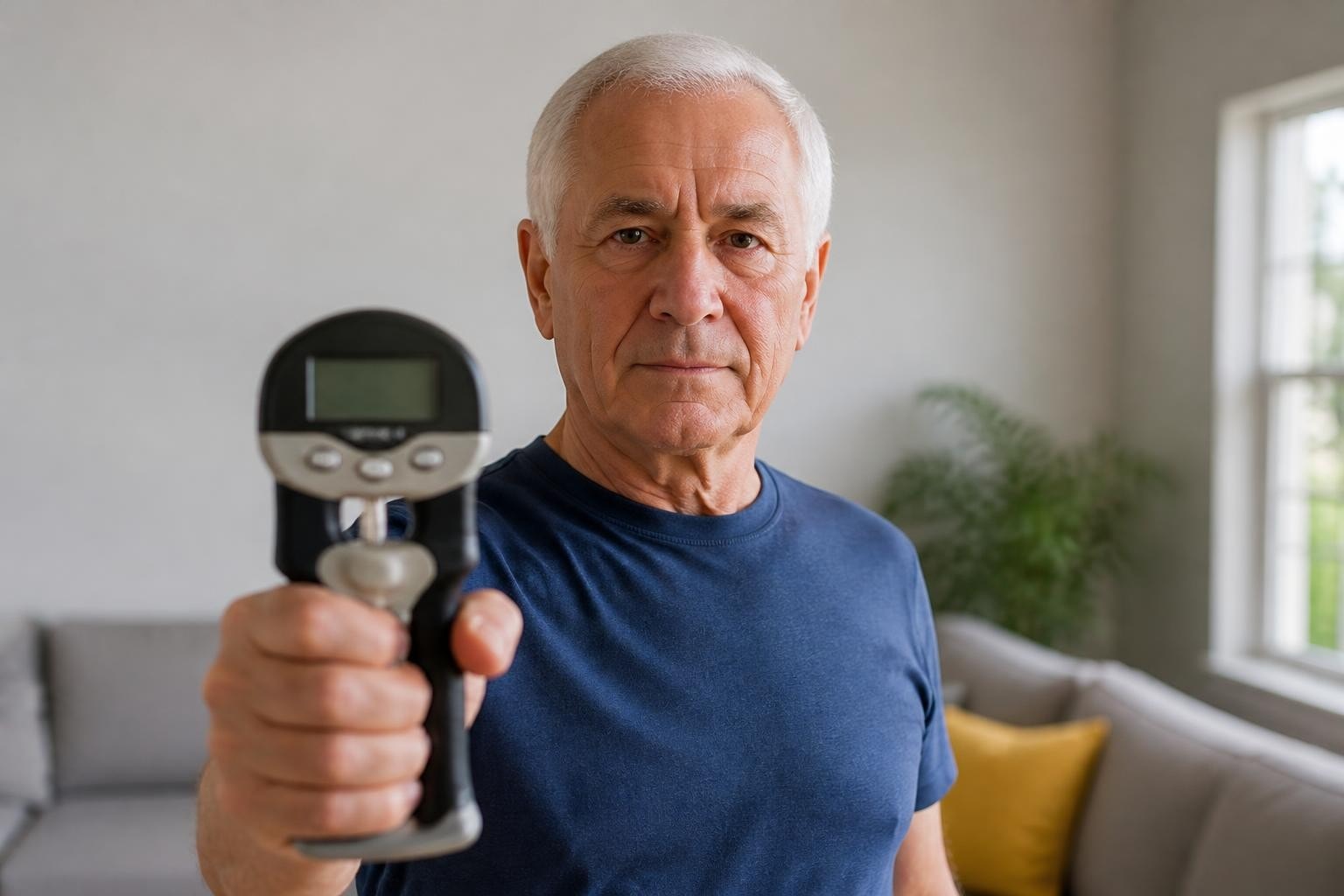
Grip strength predicts mortality, cardiovascular risk, and biological age. Here's what the data shows and how measurement is standardized.
Grip strength is the peak force of a maximum hand squeeze, measured with a dynamometer. It correlates with all-cause mortality, cardiovascular risk, and functional independence because it reflects whole-body muscle mass and neuromuscular function. It is a marker of reserve, not a diagnosis, and a physician interprets it in context.
This page is for general information and does not constitute medical advice, diagnosis, or treatment. Results vary between individuals. Every medicine and peptide listed here is dispensed only after a medical consultation at Healthi Life and on a physician's prescription. Prices are published for transparency, not as an offer to supply. Always consult a qualified physician about your condition. See our full medical disclaimer.
A handshake reveals more than courtesy. The force your hand produces during a maximum squeeze, measured in kilograms, correlates with all-cause mortality, cardiovascular events, and functional independence in later years. This measurement is not predictive because hand muscles themselves govern lifespan. It is predictive because the loss of skeletal muscle mass and neural drive appears systemically, and the hand is where we can quantify it with one device, in fifteen seconds, with precision that rivals laboratory instruments.
Why Grip Strength Is Measured
The test originated in rehabilitation and occupational medicine. Over four decades, cohort studies linked the measurement to outcomes far beyond the hand. This guide is published by the Healthi Life longevity clinic in Bangkok.
A systematic review published in the BMJ analyzed 14 studies covering more than 53,000 participants. People in the weakest quarter of grip strength had a higher risk of death from any cause than those in the strongest quarter, after adjustment for age, sex, and body size. The PURE study in The Lancet, which followed nearly 140,000 adults in 17 countries, later linked each 5 kg lower grip strength with higher all-cause and cardiovascular mortality.
The mechanism is indirect. Hand force reflects whole-body skeletal muscle mass, neuromuscular efficiency, and chronic low-grade inflammation. Sarcopenia begins in the fourth decade. Loss is gradual but accelerates after age 60. Hands lose strength in parallel with legs, core, and respiratory muscles. Measuring the hand is simply more practical than measuring the quadriceps.
What the Test Measures
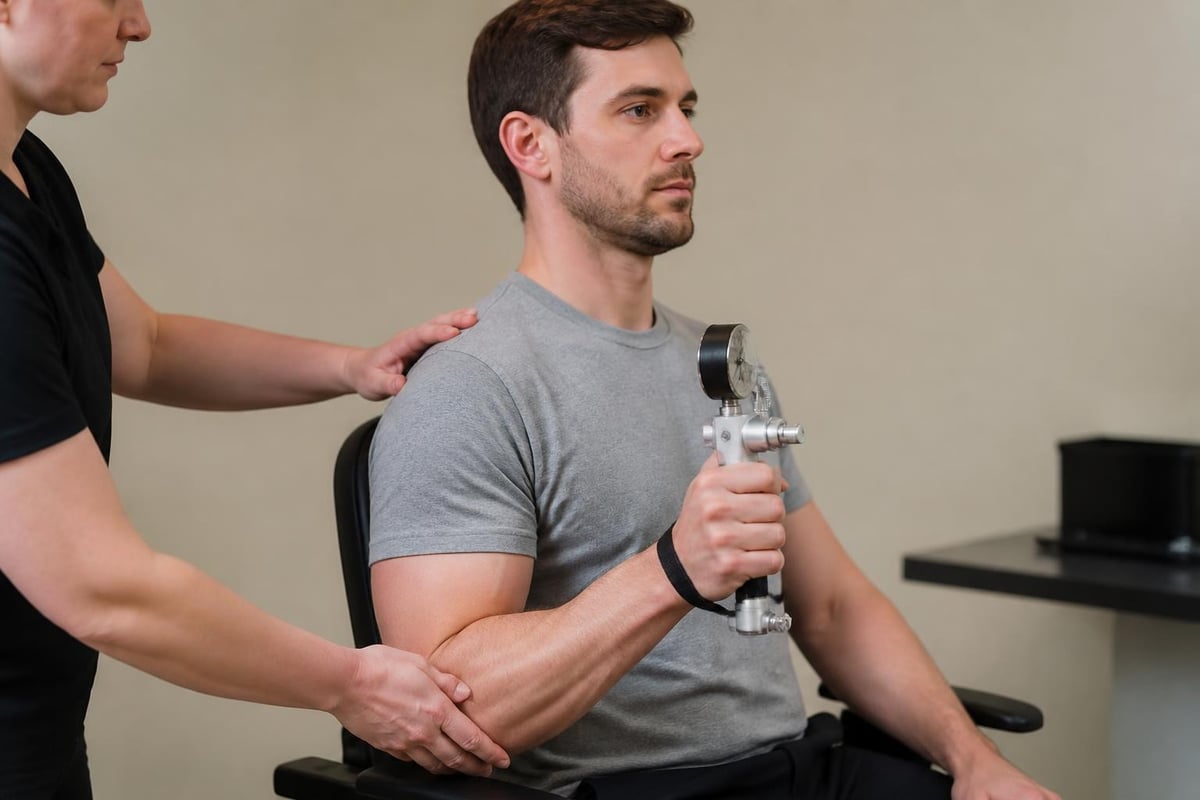
The test quantifies maximum voluntary contraction of the forearm flexors and intrinsic hand muscles. The subject squeezes a calibrated spring-loaded dynamometer. Peak force, recorded in kilograms or pounds, is the outcome.
Three trials per hand are standard. The highest value from either hand is the recorded score. Rest intervals of 30 to 60 seconds prevent fatigue. Standardized posture from the American Society of Hand Therapists specifies shoulder adducted, elbow flexed to 90 degrees, forearm neutral, and wrist between 0 and 30 degrees extension. Variations in arm position can alter the result.
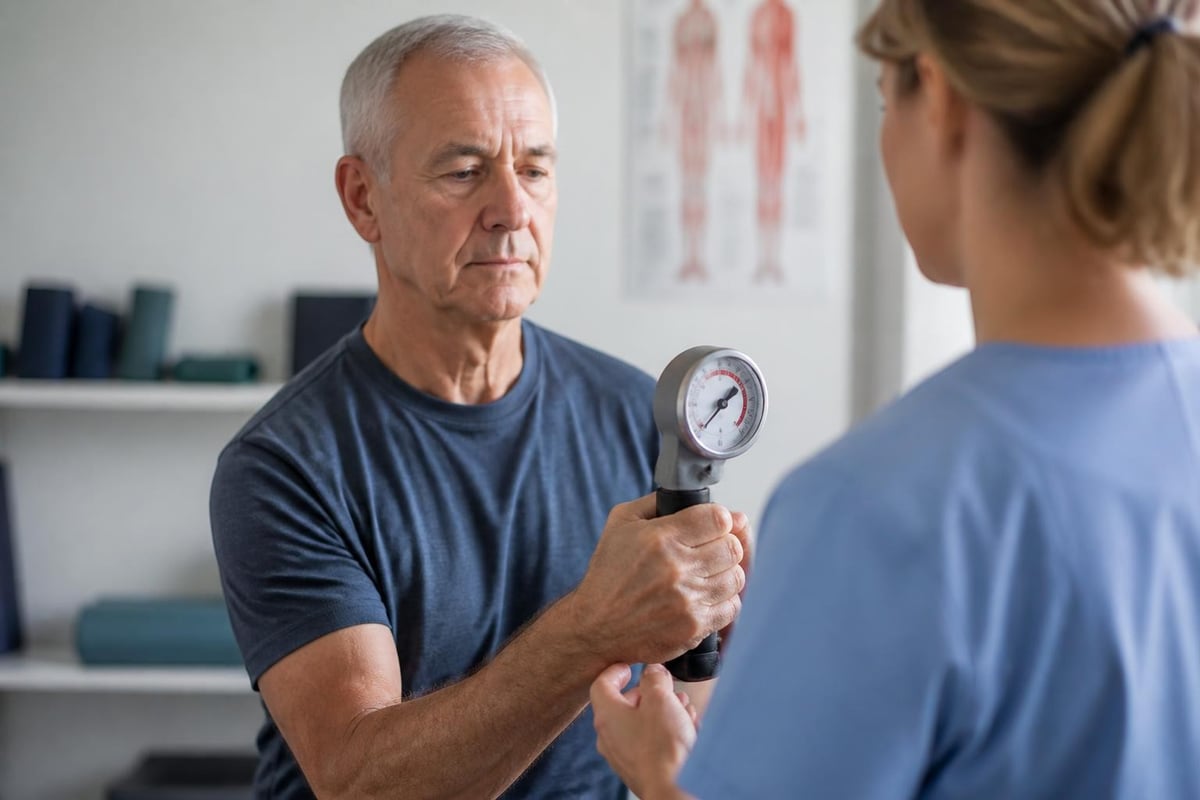
The Jamar hydraulic dynamometer is the reference standard. Digital devices are now common. A 2022 comparative study found good-to-excellent reliability between a mobile digital grip device and a digital Jamar dynamometer, but readings were not interchangeable, so serial measurements of the same person should use the same device.
Normative Values and Interpretation
Population norms exist by age and sex. A large cohort study from the GenoFit database published sex- and age-stratified normative data from 9,431 adults aged 18 to 92. Weak grip strength was associated with lower lean mass, lower bone mineral density, lower cardiorespiratory fitness, and higher disease prevalence.
Cutoffs vary by guideline. The revised European consensus on sarcopenia (EWGSOP2) uses grip strength below 27 kg in men and below 16 kg in women to flag low muscle strength in older adults.
Repeated measurements add information to a single reading, and a physician interprets any decline in context.
Factors That Influence the Measurement
Body size accounts for much of the variance. Taller individuals and those with greater lean mass generate higher force. Some studies normalize the measurement to body weight or height, but this reduces predictive power for mortality. The absolute value, unadjusted, performs better in risk models.
Sex differences are large. Men produce more force than women at every age. Hormonal milieu, muscle fiber type distribution, and hand size all contribute.
Training history matters. Manual work and sports that load the hands are associated with higher readings.
Chronic disease lowers the measurement. Heart failure, chronic obstructive pulmonary disease, rheumatoid arthritis, diabetes, and cancer all associate with reductions independent of age. Inflammatory cytokines, particularly interleukin-6 and tumor necrosis factor-alpha, correlate inversely with force production.
Implications for Longevity and Health Span
The test does not diagnose disease. It quantifies reserve. Reserve is the margin between current capacity and the threshold for functional dependence. A 50-year-old man with a reading of 35 kg is not ill, but his reserve is narrower than a peer at 50 kg. If both decline at a similar rate, the man with less reserve will approach the threshold for functional limitation sooner.
Cardiovascular risk tracks the measurement closely. In the PURE cohort study of adults aged 35 to 70, each 5 kg lower grip strength was associated with higher risk of cardiovascular death (hazard ratio 1.17), myocardial infarction (1.07), and stroke (1.09). Grip strength predicted all-cause and cardiovascular death more strongly than systolic blood pressure. The mechanism is uncertain but likely involves vascular stiffness, endothelial dysfunction, and shared inflammatory pathways.
The link with cancer is less consistent. In the PURE study, which followed about 140,000 adults for a median of four years, higher grip strength was associated with a slightly higher cancer risk in high-income countries, and no association was found in middle- and low-income countries.
Muscle Mass, Protein Synthesis, and Aging
Skeletal muscle mass peaks in the third decade and declines thereafter. Strength tends to decline faster than muscle mass, in part because neuromuscular function also changes with age.
Protein synthesis becomes less efficient with age. Anabolic resistance means that older muscle requires more dietary protein and a stronger stimulus to achieve the same synthetic response as young muscle. Leucine threshold rises. Resistance training remains effective but requires higher volumes and longer recovery.
Hormonal changes compound the loss. Testosterone, growth hormone, and insulin-like growth factor-1 all decline. Cortisol and inflammatory cytokines rise. The balance tilts catabolic. Interventions that address this axis, monitored through biomarker panels, are part of structured longevity programs at physician-led clinics.
Measurement Challenges and Standardization
Device variation is the largest source of error. A 2021 study on dynamometer type tested 118 adults aged 45 to 74 on four hand-held dynamometers. Depending on the device, the prevalence of low muscle strength ranged from 3% to 22% in men and from 3% to 15% in women, and few people were classified as weak by all four devices.
Posture must be controlled. Shoulder, elbow, and wrist position all change the recorded force, which is why a standardized position matters. The subject must understand the instruction. "Squeeze as hard as you can" produces better results than "grip the handle."
Fatigue limits serial testing. Three trials per hand, alternating sides, with 60-second rest, produces the highest reproducible maximum. Within-day repeatability is high when the protocol is followed.
Clinical Use and Integration
The test is incorporated into geriatric assessments, sarcopenia screening, and preoperative risk stratification. It is less common in midlife health evaluations, though evidence supports its inclusion. A baseline reading at age 40, with repeat testing every two to three years, identifies early loss and triggers intervention while reserve is still adequate.
Some executive health programs now include the test as part of a functional capacity panel. It is paired with gait speed, chair stand time, and balance testing. The composite predicts incident frailty more accurately than any single measure. When force drops below age-specific thresholds, the physician orders imaging for muscle mass, reviews protein intake, and checks anabolic hormone levels.
Interventions That Preserve Force
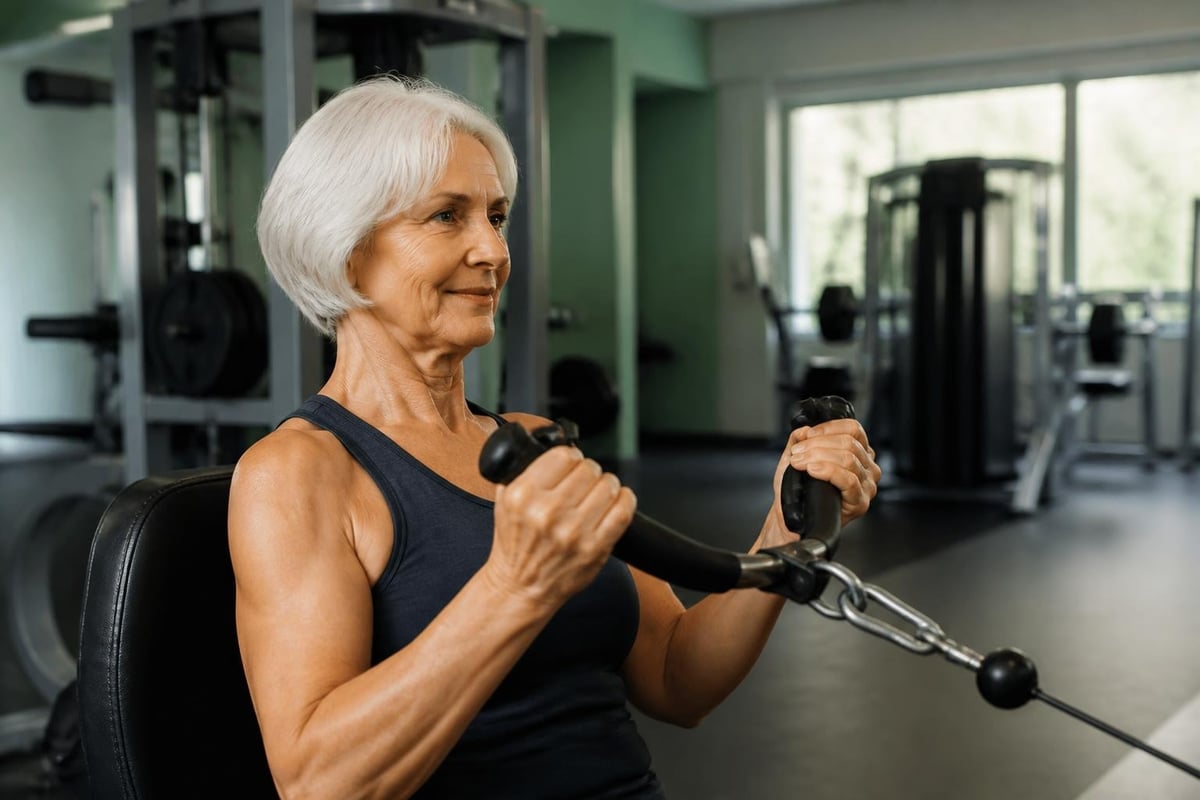
Resistance training is the most effective intervention. Progressive overload targeting major muscle groups preserves mass and neural drive. Training frequency of two to three sessions per week, at 70% to 85% of one-repetition maximum, maintains or increases force in adults over 60. Specificity matters less than volume and intensity. Deadlifts, rows, and farmer's carries all transfer to grip performance.
Protein intake must match demand. The PROT-AGE expert group recommends at least 1.0 to 1.2 grams of protein per kilogram of body weight per day for healthy adults over 65, and higher intakes for those who exercise or have acute or chronic disease. Leucine-rich protein sources support muscle protein synthesis. Animal sources provide higher leucine density than plant sources.
Hormonal optimization is considered when biomarkers indicate deficiency. Testosterone replacement in hypogonadal men improves lean mass and strength, though effects on grip strength specifically are modest and inconsistent across trials. Growth hormone and its secretagogues have been studied but carry risk and show inconsistent results in healthy older adults. The decision is made by a physician after reviewing a full panel and discussing risk.
Monitoring and Adjustment
Longitudinal tracking requires the same device, same posture, and same time of day. Strength can vary with time of day, so repeat tests should be done at a similar time. Annual testing suffices for those over 50 with stable readings. Semi-annual or quarterly testing is warranted when decline is detected or when an intervention is underway.
A sustained rise on repeat testing with the same device suggests that an intervention is working. Stable values mean the intervention is preventing further loss but not reversing it. A continued decline indicates that the intervention is insufficient or that an underlying process is accelerating. The physician adjusts the protocol: increases training volume, adds a peptide, rechecks inflammatory markers, or orders imaging to quantify muscle cross-sectional area.
Programs that build a protocol on comprehensive biomarker panels often include grip force as one functional measure among dozens. It is not the only measure of muscle health, but it is the simplest to collect and the one with the longest evidence trail. It is tracked alongside VO₂ max and epigenetic age. The goal is not to chase a single number but to maintain reserve across multiple systems.
Who Should Be Tested and When
Anyone over 40 should have a baseline reading. Decline begins in the fourth decade, though it is slow and rarely symptomatic until the sixth. Early detection allows intervention before functional limitation appears.
Testing is especially relevant for those with sedentary occupations, chronic disease, or family history of frailty. It is also useful for those already training, as it provides an objective measure of progress or plateau. Regular resistance training can slow the age-related loss of strength.
Women around menopause should consider repeat testing every two years. Estrogen withdrawal accelerates muscle loss. Resistance training and protein intake become more important during this window.
Men with low testosterone, defined as total testosterone below 300 ng/dL or free testosterone below 5 ng/dL, should test grip force as part of a functional assessment. The measurement helps determine whether low testosterone is contributing to loss of muscle performance or whether other factors dominate.
The Role of Measurement in Health Programs
Grip strength is included in advanced diagnostic check-ups as part of a broader functional and metabolic assessment. The physician reviews the result alongside body composition, imaging, and inflammatory markers. The goal is to understand whether muscle loss is age-appropriate or accelerated, and if accelerated, what the drivers are.
In a program built on continuous monitoring, grip force is re-measured at scheduled intervals. The physician compares the trajectory to predicted decline and adjusts the protocol if the actual slope is steeper. This approach shifts health management from reactive to anticipatory. The intervention occurs before disability, not after.
Testing is brief but the interpretation requires context. A 55-year-old man with a reading of 40 kg may be in the 50th percentile for his age, but if his reading was 50 kg two years prior, the 20% decline over 24 months signals a problem. Context includes history, biomarkers, training status, and comorbidities. The physician provides that context. The number alone does not.
Grip strength is a marker, not a cause. It reflects the state of skeletal muscle, neural efficiency, and systemic inflammation. Measurement is simple, but interpretation requires a physician who reviews biomarkers, training history, and trajectory. Healthi Life provides that review as part of physician-supervised longevity programs in Bangkok, where functional measures are tracked alongside up to 300 biomarkers and adjusted continuously. This page is for information only and is not medical advice. Medical consultation and prescription are available online and on site at Healthi Life, Ekkamai, Bangkok.
Every medicine named on this page is dispensed only after a medical consultation at Healthi Life and on a physician's prescription. No dosing schedule is published here; the dose is set by the prescribing physician. This page is published for transparency, not as an offer to supply.
Frequently asked questions
Why does grip strength predict health and lifespan?
Hand force reflects whole-body skeletal muscle mass, neuromuscular efficiency, and chronic low-grade inflammation. A BMJ review of more than 53,000 participants found higher all-cause mortality risk in the weakest quarter, and the PURE study linked each 5 kg lower grip strength with higher cardiovascular mortality.
How is grip strength measured?
A calibrated dynamometer records peak force during a maximum squeeze, with three trials per hand and 30 to 60 seconds of rest between them. Posture is standardized, and the Jamar hydraulic device is the reference standard. Readings from different devices are not interchangeable, so use the same device over time.
What is a low grip strength?
The European sarcopenia consensus (EWGSOP2) flags low muscle strength in older adults below 27 kg in men and below 16 kg in women. Norms vary by age and sex, and a physician interprets any result alongside history and trend, since a decline over time carries information.
How can I improve or preserve grip strength?
Resistance training is described as the most effective intervention, two to three sessions per week at 70% to 85% of one-repetition maximum for adults over 60. Adequate protein also matters, with at least 1.0 to 1.2 grams per kilogram per day suggested for healthy adults over 65.
Who should get tested, and how often?
The article suggests anyone over 40 should have a baseline reading, with repeat testing every two to three years, and annual testing for those over 50 with stable readings. Women around menopause should consider testing every two years. A physician sets the schedule if decline is found.