Healthy Clinic: Modern Approach to Longevity Care

Discover how a healthy clinic approach transforms preventive care through biomarker tracking, personalized treatments, and doctor-led longevity programs.
The healthcare landscape has evolved dramatically over the past decade, shifting from reactive sick care to proactive wellness optimization. A healthy clinic today represents far more than a place to treat symptoms-it embodies a comprehensive approach to extending healthspan and improving quality of life through evidence-based interventions. This transformation particularly resonates in longevity-focused facilities where precision medicine meets preventive care, creating personalized pathways to optimal health through advanced biomarker analysis and ongoing medical supervision.
The Evolution of Preventive Healthcare Models
Modern healthcare has transitioned from episodic treatment to continuous wellness partnerships. Traditional clinics primarily addressed acute conditions, whereas today's health-focused facilities emphasize prevention through comprehensive testing and lifestyle optimization.
The Patient-Centered Medical Home model demonstrates how whole-patient approaches lead to superior outcomes. This philosophy prioritizes preventative care over reactive treatment, creating sustainable health improvements through coordinated interventions.
Key components of modern preventive care include:
- Comprehensive biomarker assessment
- Personalized treatment protocols
- Continuous monitoring and adjustment
- Lifestyle modification support
- Advanced diagnostic capabilities

A healthy clinic environment incorporates these elements seamlessly, creating an ecosystem where patients receive targeted interventions based on objective data rather than generalized protocols. The shift toward precision medicine enables practitioners to identify subtle imbalances before they manifest as clinical disease.
The Role of Biomarker Analysis
Biomarker testing forms the foundation of personalized longevity medicine. Rather than relying on standard reference ranges that may not reflect optimal health, advanced clinics examine hundreds of markers to create comprehensive health profiles.
This data-driven approach enables practitioners to:
- Identify nutritional deficiencies affecting cellular function
- Assess hormonal balance and metabolic efficiency
- Detect inflammatory processes before symptom onset
- Optimize cardiovascular and cognitive performance
- Monitor treatment effectiveness through objective metrics
Genetic testing provides additional insights into individual predispositions, allowing for truly personalized intervention strategies. When combined with regular biomarker tracking, patients and physicians can make informed decisions about therapeutic interventions and lifestyle modifications.
Comprehensive Service Offerings in Modern Health Facilities
A truly effective healthy clinic provides an integrated spectrum of services designed to address multiple aspects of wellness simultaneously. This holistic approach recognizes that optimal health requires coordination across various physiological systems.
| Service Category | Primary Benefits | Typical Applications |
|---|---|---|
| Regenerative Therapies | Tissue repair and cellular rejuvenation | Joint recovery, skin optimization, hair restoration |
| Hormone Optimization | Metabolic balance and performance enhancement | Energy levels, body composition, cognitive function |
| IV Nutrient Therapy | Rapid nutrient delivery and cellular support | Recovery acceleration, immune support, detoxification |
| Performance Enhancement | Physical and cognitive optimization | Athletic performance, executive function, longevity |
Functional medicine approaches tie these services together by addressing root causes rather than isolated symptoms. This systems-based methodology examines how different physiological processes interact, creating treatment plans that restore balance across multiple domains simultaneously.
Recovery and Regeneration Protocols
Advanced recovery modalities represent a cornerstone of modern longevity clinics. Stem cell therapy and exosome treatments harness the body's innate healing mechanisms to repair damaged tissues and optimize cellular function.
These regenerative approaches offer distinct advantages:
- Targeted tissue repair without surgical intervention
- Reduced recovery time compared to traditional methods
- Natural enhancement of healing processes
- Long-term improvements in tissue quality
- Minimal side effects when properly administered
The integration of PRP treatment with other modalities creates synergistic effects, amplifying therapeutic benefits. A healthy clinic environment supports these advanced interventions with proper medical oversight and standardized protocols.
Quality Standards and Medical Supervision
The distinction between a standard clinic and a healthy clinic often lies in the rigor of quality standards and the depth of medical oversight. The Cleveland Clinic's Quality & Patient Safety Institute exemplifies how systematic quality improvement enhances patient outcomes through structured processes and continuous evaluation.
Healthcare facilities committed to excellence implement multiple quality assurance mechanisms:
- Evidence-Based Protocol Development: Treatment plans grounded in peer-reviewed research
- Regular Staff Training: Continuous education on emerging therapies and best practices
- Outcome Tracking: Systematic monitoring of patient results and treatment efficacy
- Safety Systems: Comprehensive infection control and adverse event prevention
- Accreditation Compliance: Adherence to recognized healthcare standards
Doctor-led facilities provide an additional layer of safety and expertise. Medical supervision ensures that interventions are appropriately prescribed, monitored, and adjusted based on individual response patterns. This professional oversight distinguishes legitimate therapeutic facilities from wellness centers offering unproven treatments.

Creating a Culture of Continuous Improvement
Healthy Huddles represent one innovative approach to maintaining high standards in clinical settings. These brief daily meetings enable healthcare teams to anticipate patient needs, coordinate care delivery, and address potential issues before they impact service quality.
The practice demonstrates several important principles:
- Proactive Problem-Solving: Identifying challenges before they affect patient care
- Team Coordination: Ensuring all staff members understand daily priorities
- Information Sharing: Disseminating critical updates across the care team
- Efficiency Optimization: Streamlining workflows to maximize patient contact time
A healthy clinic incorporates these practices naturally, creating an environment where quality improvement becomes part of daily operations rather than periodic initiatives.
Personalized Longevity Programs
Extended health optimization requires more than isolated interventions-it demands structured programs that support sustained behavioral change and physiological improvement. Multi-month longevity programs provide the framework for transformative health outcomes.
These programs typically include:
- Initial comprehensive assessment with extensive biomarker analysis
- Customized intervention protocols targeting individual needs
- Regular progress monitoring and protocol adjustments
- Educational components supporting lifestyle optimization
- Ongoing medical supervision throughout the program duration
The value of extended programs lies in their ability to address complex health challenges that cannot be resolved through single interventions. Hormone replacement therapy, for example, requires careful titration and monitoring over months to achieve optimal balance without adverse effects.
The Three to Twelve Month Advantage
Short-term interventions rarely produce lasting transformation. A healthy clinic recognizes that meaningful health improvement requires sustained effort across multiple dimensions simultaneously.
| Program Duration | Typical Outcomes | Best Applications |
|---|---|---|
| 3 Months | Initial optimization, habit formation | Metabolic improvement, performance enhancement |
| 6 Months | Significant physiological changes | Hormone balance, weight optimization, recovery |
| 12 Months | Comprehensive transformation | Longevity optimization, chronic condition management |
Programs extending beyond three months allow for:
- Complete metabolic adaptation to new interventions
- Identification and resolution of secondary issues
- Establishment of sustainable lifestyle patterns
- Comprehensive biomarker normalization
- Long-term habit integration
Medical weight loss programs exemplify this principle, as sustainable fat loss and metabolic healing require months of coordinated nutritional, hormonal, and lifestyle interventions rather than quick fixes.
Lifestyle Medicine Integration
Clinical guidelines emphasize lifestyle prevention during patient encounters, recognizing that diet, physical activity, sleep, and stress management form the foundation of health optimization. A healthy clinic integrates these elements into comprehensive care plans rather than treating them as separate concerns.
Effective lifestyle medicine addresses multiple domains:
- Nutritional Optimization: Personalized dietary strategies based on metabolic testing
- Movement Prescription: Exercise protocols tailored to individual capacity and goals
- Sleep Enhancement: Evidence-based interventions for improving sleep quality and duration
- Stress Management: Techniques for modulating the physiological stress response
- Social Connection: Recognition of relationship quality's impact on health outcomes
These interventions become exponentially more effective when combined with advanced therapeutic modalities. NAD+ IV therapy, for instance, supports cellular energy production while lifestyle modifications reduce the oxidative stress that depletes NAD+ levels in the first place.
Supporting Sustainable Behavioral Change
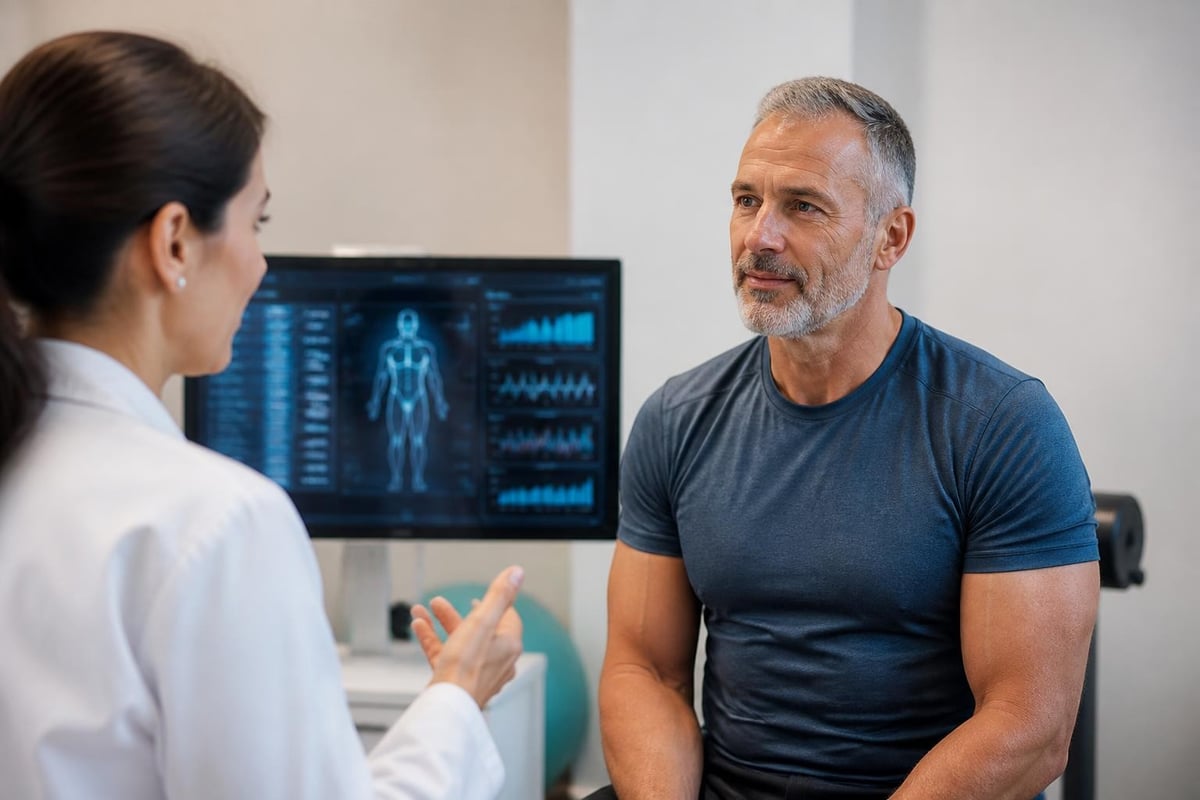
Knowledge alone rarely produces lasting change. A healthy clinic provides the infrastructure supporting habit formation through accountability, education, and environmental design.
Effective behavior change support includes:
- Regular check-ins with medical professionals
- Progressive goal-setting based on current capacity
- Environmental modifications reducing friction for healthy choices
- Social support through group programs or peer connections
- Celebration of incremental progress rather than perfection
This scaffolding helps patients navigate the challenging transition period when new behaviors feel unnatural. Over time, these supported changes become automatic, creating sustainable health improvements that persist beyond formal program completion.
Advanced Diagnostic and Monitoring Capabilities
Sophisticated diagnostic tools distinguish a healthy clinic from basic healthcare facilities. California's clinic regulations outline basic service requirements including diagnostic, therapeutic, and laboratory capabilities, but leading-edge facilities exceed these minimums significantly.
Modern diagnostic approaches include:
- Advanced Imaging: Detailed visualization of internal structures and processes
- Comprehensive Laboratory Testing: Analysis of hundreds of biomarkers simultaneously
- Functional Assessments: Evaluation of physiological systems under stress conditions
- Genetic Analysis: Understanding inherited predispositions and optimal interventions
- Continuous Monitoring: Wearable technology tracking real-time health metrics
These capabilities enable precise treatment targeting and rapid identification of suboptimal responses. Executive health programs leverage comprehensive diagnostics to create complete health pictures, identifying issues that standard screening protocols might miss.
The Role of Regular Reassessment
Static treatment plans become obsolete as physiology changes. A healthy clinic implements regular reassessment protocols, adjusting interventions based on objective response data rather than assumptions about typical outcomes.
This dynamic approach offers several advantages:
- Optimization of Dosing: Fine-tuning interventions to individual metabolism
- Early Problem Detection: Identifying adverse trends before they become significant
- Treatment Efficiency: Discontinuing ineffective interventions promptly
- Cost Effectiveness: Focusing resources on interventions producing measurable benefits
Patients in structured longevity programs benefit from this iterative refinement, experiencing progressively better outcomes as treatments become increasingly personalized to their unique physiology.
The Medical Tourism Advantage
International patients increasingly seek comprehensive health optimization services in destinations offering advanced care at competitive pricing. Medical tourism in Thailand has grown substantially as facilities combine world-class medical expertise with personalized service and modern infrastructure.
A healthy clinic in an international hub provides unique benefits:
- Access to cutting-edge treatments not yet available in all jurisdictions
- Competitive pricing without compromising quality or safety
- Culturally sensitive care for diverse patient populations
- Comprehensive service packages including logistics support
- Opportunities for recovery in resort-like environments
Bangkok has emerged as a particularly attractive destination for longevity-focused care, offering sophisticated medical facilities alongside excellent hospitality infrastructure. Patients can combine serious health optimization with the restorative benefits of international travel.
Selecting an International Health Partner
Due diligence remains essential when choosing international healthcare providers. Quality and safety standards should be rigorously evaluated, examining accreditation, physician credentials, outcome data, and patient testimonials.
Critical evaluation criteria include:
- Medical director qualifications and oversight involvement
- Facility accreditation from recognized international bodies
- Transparent pricing with detailed service descriptions
- Clear communication protocols throughout the care journey
- Comprehensive follow-up systems for ongoing support
A legitimate healthy clinic welcomes scrutiny and provides detailed information about protocols, credentials, and expected outcomes. Transparency regarding both benefits and limitations of proposed interventions indicates ethical practice and patient-centered values.
Specialized Therapeutic Modalities
The most effective longevity clinics offer specialized treatments targeting specific aspects of health optimization. These advanced modalities complement foundational interventions, creating comprehensive protocols addressing multiple physiological systems simultaneously.
Peptide therapy represents one such specialized approach, using specific amino acid sequences to modulate various biological processes. From tissue repair to immune optimization, targeted peptides offer precision tools for addressing particular health goals.
Similarly, neuro-regeneration protocols support cognitive function and neurological health through combinations of nutrients, medications, and lifestyle interventions designed to optimize brain performance and protect against age-related decline.
| Therapeutic Category | Mechanism | Primary Applications |
|---|---|---|
| Hormonal Optimization | Restoring youthful hormone levels | Energy, body composition, sexual health |
| Cellular Regeneration | Enhancing repair and renewal | Tissue healing, anti-aging, performance |
| Metabolic Enhancement | Improving energy production | Weight management, vitality, longevity |
| Immune Modulation | Optimizing immune function | Disease resistance, inflammation control |
These specialized interventions become most effective when integrated into comprehensive programs addressing multiple health dimensions simultaneously. A healthy clinic coordinates these treatments strategically, timing interventions for maximum synergistic benefit.
The Future of Preventive Healthcare
Healthcare continues evolving toward increasingly personalized, data-driven approaches. Emerging technologies enable ever more precise assessment of individual health status and treatment responses, while growing understanding of longevity science reveals new intervention targets.
Future developments likely to transform preventive care include:
- Artificial Intelligence Integration: Machine learning algorithms identifying subtle patterns in health data
- Epigenetic Interventions: Treatments targeting gene expression rather than genetic code itself
- Senolytic Therapies: Removal of damaged cells contributing to aging processes
- Microbiome Optimization: Precision manipulation of gut bacteria for health enhancement
- Biomarker Expansion: Tracking hundreds or thousands of health metrics continuously
A forward-thinking healthy clinic prepares for these advances while maintaining focus on currently validated interventions. The balance between innovation and evidence ensures patients benefit from cutting-edge treatments without exposure to unproven or potentially harmful protocols.
Modern healthcare has evolved beyond treating disease to actively optimizing health and extending quality of life through comprehensive, personalized interventions. The healthy clinic model demonstrates how advanced diagnostics, evidence-based treatments, and ongoing medical supervision create sustainable health transformation rather than temporary improvements. If you're ready to experience this comprehensive approach to longevity and performance optimization, Healthi Life offers doctor-led programs in Bangkok combining up to 300 biomarkers with personalized protocols designed specifically for your unique physiology and health goals.