
Healthy Life Center: Transform Your Wellness Journey
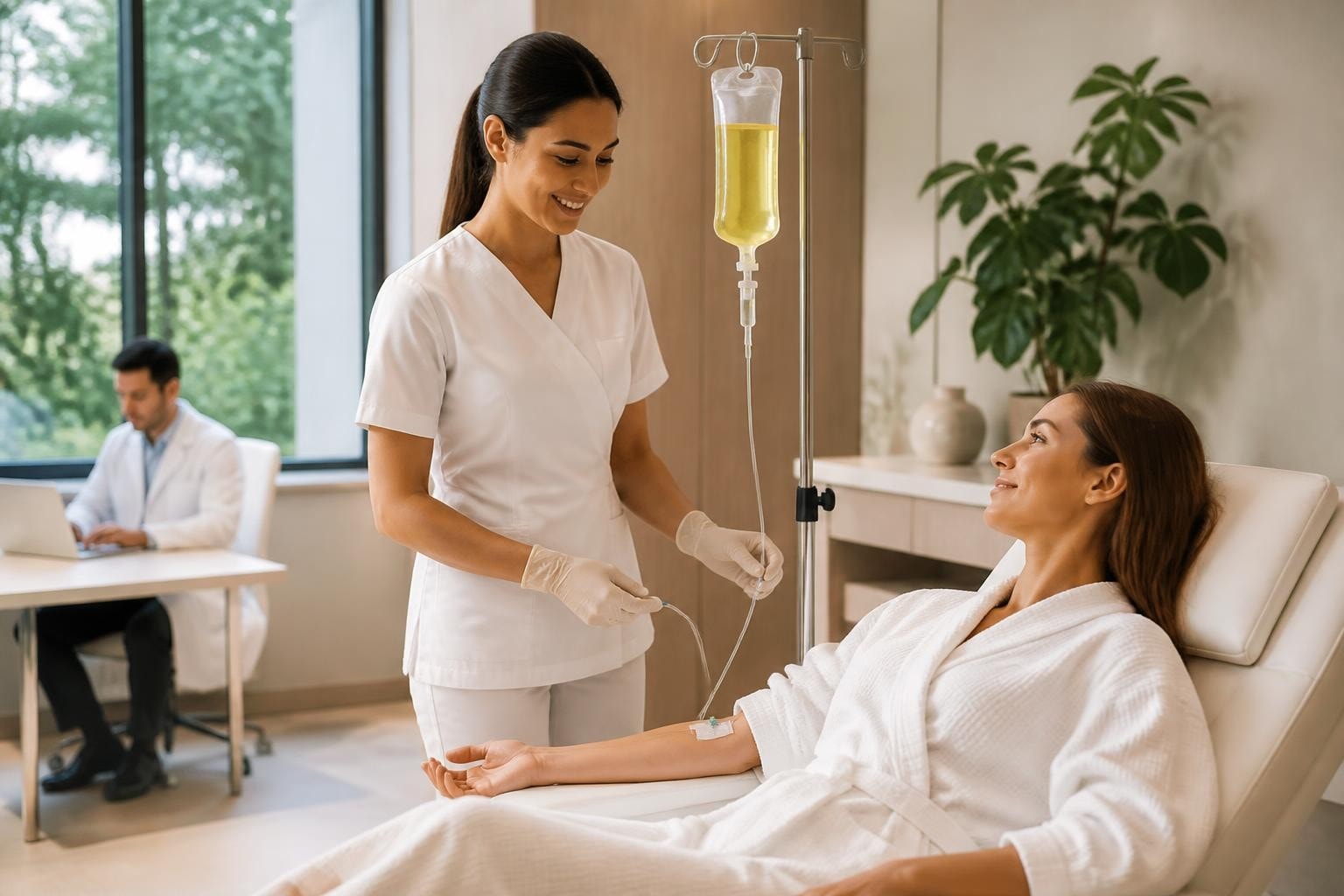
Discover how a healthy life center can optimize your longevity through personalized treatments, biomarker tracking, and medical supervision.
Modern healthcare is shifting from reactive treatment to proactive optimization, and the concept of a healthy life center represents this evolution. These specialized facilities focus on extending healthspan rather than just treating disease, combining advanced diagnostics with personalized interventions to help individuals achieve their longevity goals. As urban populations seek comprehensive approaches to wellness, the healthy life center model provides medical expertise, cutting-edge technology, and sustained support for those committed to optimizing their health trajectory.
Understanding the Healthy Life Center Approach
A healthy life center differs fundamentally from traditional medical clinics by emphasizing prevention, optimization, and long-term health outcomes. Rather than addressing symptoms after they appear, these centers work to identify health vulnerabilities before they manifest into chronic conditions.
The foundation of this approach lies in comprehensive biomarker analysis. By measuring up to 300 distinct biological indicators, practitioners can create a detailed picture of your current health status and future risk factors. This data-driven methodology allows for precise interventions tailored to your unique physiology.
Key Components of Comprehensive Health Centers
Modern healthy life center facilities integrate several critical elements:
- Advanced diagnostic capabilities including genetic testing, metabolic panels, and hormonal assessments
- Personalized treatment protocols based on individual biomarker profiles
- Ongoing medical supervision to track progress and adjust interventions
- Performance optimization strategies for physical and cognitive enhancement
- Recovery therapies designed to accelerate healing and reduce inflammation
Research has shown that supportive environments and structured programs play a crucial role in helping individuals initiate and maintain lifestyle changes. This is particularly important when committing to multi-month longevity programs that require sustained effort and behavioral modifications.
Biomarker-Centered Longevity Programs
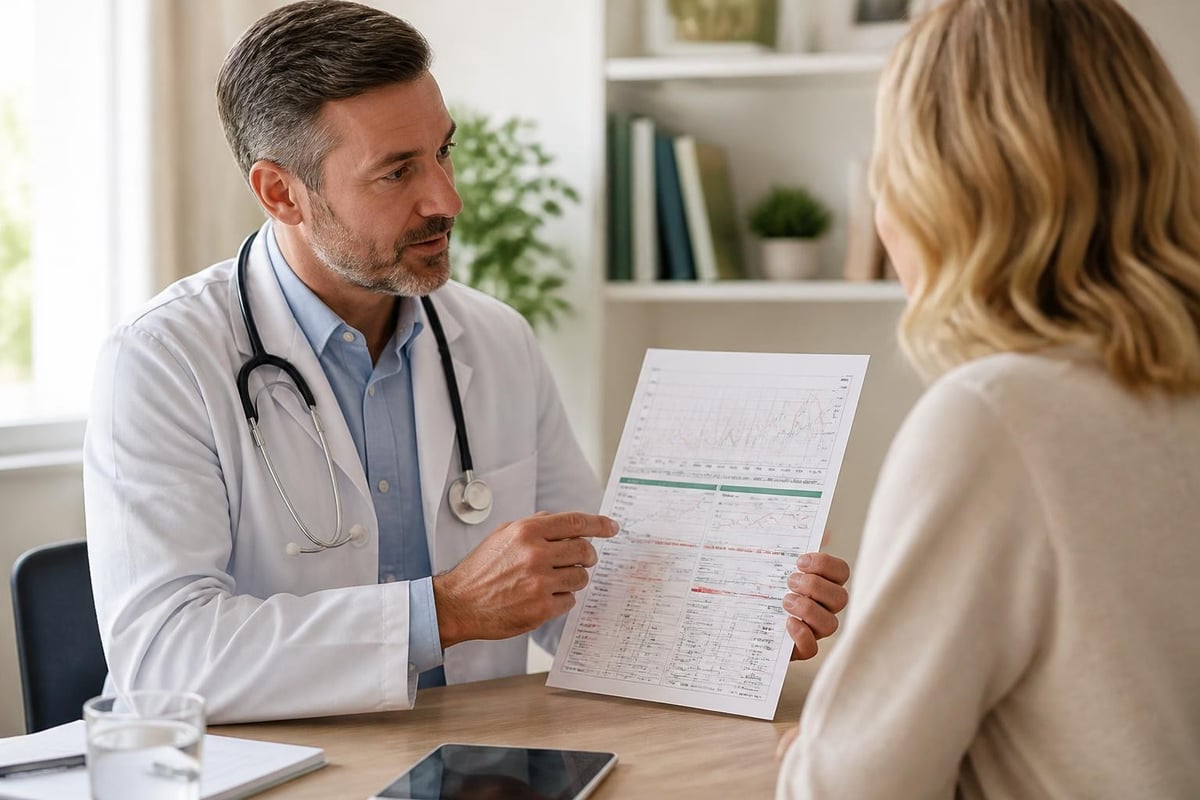
The most effective healthy life center programs revolve around systematic biomarker monitoring. This scientific approach transforms abstract health goals into measurable, actionable targets.
The Science Behind Biomarker Tracking
Biomarkers serve as quantifiable indicators of biological processes, pathogenic conditions, or responses to therapeutic interventions. When monitored consistently, they reveal patterns that predict disease risk and measure intervention effectiveness.
| Biomarker Category | What It Reveals | Optimization Impact |
|---|---|---|
| Metabolic Markers | Blood sugar regulation, insulin sensitivity | Diabetes prevention, energy optimization |
| Inflammatory Markers | Systemic inflammation levels | Disease risk reduction, recovery enhancement |
| Hormonal Panels | Endocrine system function | Vitality, mood, body composition |
| Cardiovascular Markers | Heart health, lipid profiles | Longevity, performance capacity |
| Nutrient Status | Micronutrient deficiencies | Cellular function, immune health |
The ongoing evaluation of healthy life centre effectiveness demonstrates how structured programs can produce measurable improvements in physical activity levels and overall health outcomes. This research validates the biomarker-centered approach that characterizes modern longevity medicine.
Duration and Commitment Requirements
Effective programs typically span three to twelve months, allowing sufficient time for interventions to produce measurable results. Shorter durations may show initial improvements, but longer programs enable deeper physiological changes and sustainable habit formation.
Three-month programs focus on:
- Establishing baseline biomarker profiles
- Implementing initial interventions
- Developing sustainable health practices
- Measuring early response indicators
Six to twelve-month programs additionally include:
- Advanced optimization protocols
- Fine-tuning based on response patterns
- Deep metabolic recalibration
- Comprehensive lifestyle integration
Personalized Recovery and Performance Treatments
A sophisticated healthy life center offers targeted therapies that address both recovery needs and performance enhancement goals. These treatments work synergistically with biomarker monitoring to accelerate results.
Intravenous Therapy Protocols
IV therapy delivers nutrients, antioxidants, and therapeutic compounds directly into the bloodstream, bypassing digestive limitations. This approach ensures maximum bioavailability and rapid cellular uptake.
Popular protocols include NAD+ IV drip therapy, which supports cellular energy production and DNA repair mechanisms. NAD+ levels naturally decline with age, making supplementation a cornerstone of many longevity programs.
Additional IV formulations target specific needs:
- Immune support blends containing high-dose vitamin C, zinc, and glutathione
- Performance enhancement with amino acids, B-complex vitamins, and electrolytes
- Recovery acceleration using anti-inflammatory compounds and cellular repair nutrients
- Detoxification support through chelation therapy and liver support compounds
Regenerative Medicine Applications
Advanced healthy life center facilities incorporate regenerative therapies that harness the body's natural healing capabilities. Stem cell therapy options have become increasingly sophisticated, offering targeted solutions for orthopedic injuries, chronic pain, and age-related degeneration.
Exosome therapy represents the cutting edge of regenerative medicine, using cell-derived vesicles to stimulate tissue repair and reduce inflammation. These treatments show particular promise for joint health, skin rejuvenation, and neurological support.

The Doctor-Led Difference
Medical supervision distinguishes a professional healthy life center from wellness facilities lacking clinical oversight. Physician involvement ensures safety, efficacy, and appropriate treatment escalation when necessary.
Continuous Medical Oversight
Doctor-led programs provide several critical advantages:
- Comprehensive health assessment identifying contraindications and risk factors
- Evidence-based protocol design grounded in current research and clinical experience
- Real-time intervention adjustment based on biomarker responses and patient feedback
- Integration with existing medical care ensuring coordination with specialists when needed
- Emergency response capability for adverse reactions or unexpected complications
A decade of research on healthy life centres highlights the importance of qualified medical oversight in achieving sustainable health improvements while maintaining participant safety.
Personalization at Scale
Effective medical supervision balances standardized protocols with individual customization. While evidence-based frameworks guide treatment selection, physician expertise allows for nuanced adjustments based on patient-specific factors.
This personalization considers:
- Genetic predispositions revealed through comprehensive testing
- Current medication interactions and contraindications
- Lifestyle factors affecting treatment response
- Personal health goals and priorities
- Budget constraints and time availability
Integrating Advanced Diagnostics
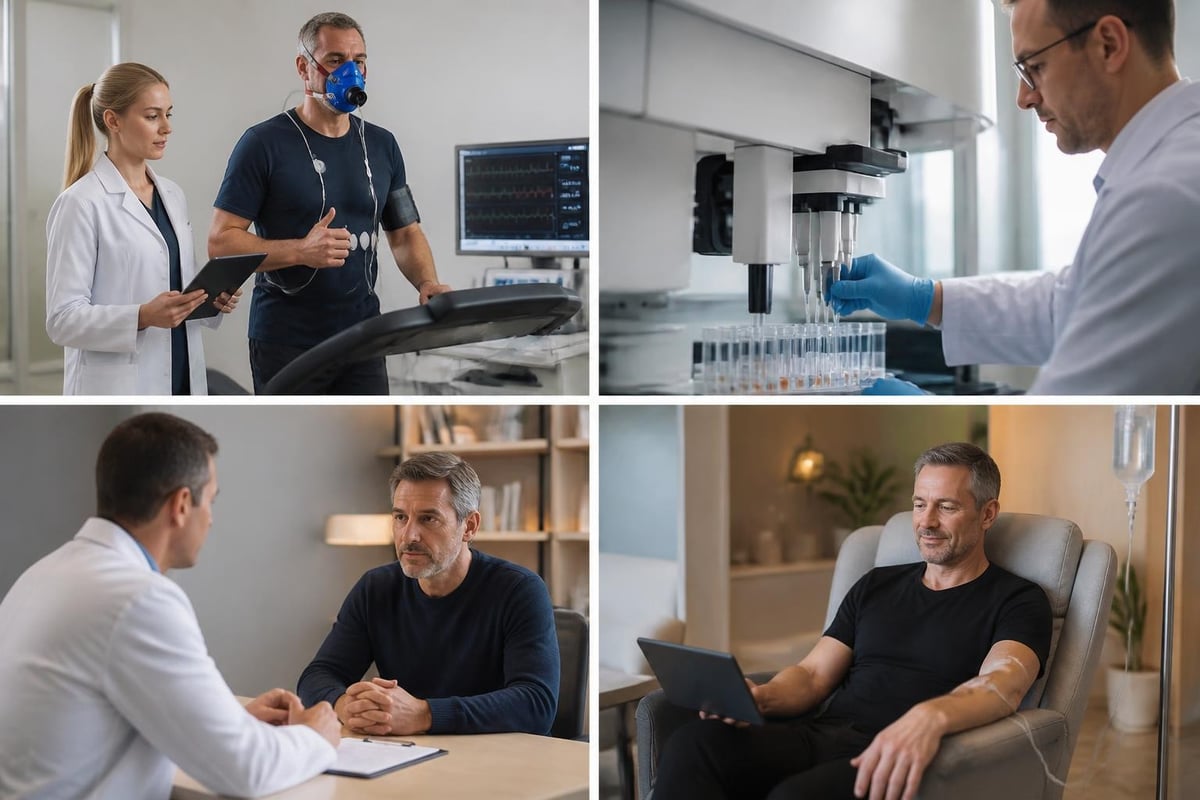
Sophisticated testing forms the backbone of any effective healthy life center program. Beyond standard blood panels, advanced diagnostics reveal hidden health vulnerabilities and optimization opportunities.
Genetic and Functional Testing
Genetic analysis provides insights into inherited predispositions, allowing for preemptive interventions. Tests examine variants affecting detoxification capacity, nutrient metabolism, cardiovascular risk, and cognitive health.
Functional testing assesses how body systems perform under real-world conditions:
| Test Type | Information Provided | Clinical Application |
|---|---|---|
| Food Sensitivity Panels | Immune reactions to specific foods | Inflammation reduction, digestive optimization |
| Hormone Assessments | Comprehensive endocrine function | Energy, mood, body composition management |
| Micronutrient Analysis | Cellular nutrient status | Targeted supplementation protocols |
| Heavy Metal Screening | Toxic element accumulation | Detoxification program design |
| Metabolic Testing | Energy production efficiency | Performance enhancement strategies |
These comprehensive health assessments create a foundation for truly personalized medicine, moving beyond one-size-fits-all approaches to targeted, individual optimization.
Lifestyle Medicine Integration
A complete healthy life center program extends beyond clinical treatments to address fundamental lifestyle factors. Nutrition, movement, sleep, and stress management form the foundation upon which therapeutic interventions build.
Nutritional Optimization
Dietary interventions tailored to biomarker profiles and genetic data can dramatically impact health outcomes. Rather than generic meal plans, personalized nutrition considers:
- Metabolic type and macronutrient ratios for optimal energy
- Food sensitivities identified through specialized testing
- Micronutrient deficiencies requiring dietary emphasis
- Genetic variants affecting nutrient metabolism
- Health goals such as body composition or cognitive performance
Movement and Recovery Balance
Exercise prescription in a healthy life center context differs from standard fitness advice. Programs account for current fitness levels, injury history, hormonal status, and recovery capacity revealed through biomarker analysis.
The balance between training stimulus and recovery determines adaptation quality. Overtraining undermines health optimization efforts, while insufficient stimulus produces minimal improvement. Medical supervision helps navigate this balance through objective markers like heart rate variability, inflammatory indicators, and cortisol patterns.
Urban Accessibility and Convenience
Location matters significantly when committing to multi-month programs requiring regular visits. Urban healthy life center facilities offer convenience that supports adherence and long-term success.
Benefits of Metropolitan Locations
City-based centers provide:
- Easy access via public transportation or short commutes
- Flexible scheduling accommodating professional commitments
- Integration into daily routines rather than requiring special trips
- Proximity to work and residential areas
- Access to complementary urban wellness resources
Bangkok's emergence as a medical tourism hub has driven the development of world-class healthy life center facilities offering international standards at competitive prices. This combination of quality, accessibility, and value attracts both local residents and international clients.
Treatment Frequency and Time Commitment
Most comprehensive programs require:
- Initial consultation and testing: 2-3 hours for comprehensive assessment
- Regular monitoring visits: 30-60 minutes monthly or quarterly
- Treatment sessions: 1-2 hours depending on therapy type
- Follow-up adjustments: Brief consultations as protocols evolve
This time investment, while significant, remains manageable for motivated individuals committed to health optimization. Urban convenience reduces barriers to consistent participation.
Measuring Success and Outcomes
The quantitative nature of biomarker-based programs allows for objective success measurement. Unlike subjective wellness approaches, healthy life center programs provide concrete data demonstrating improvement or highlighting areas needing protocol adjustment.
Key Performance Indicators
Progress tracking examines multiple dimensions:
- Biomarker normalization: Movement toward optimal ranges across metabolic, hormonal, and inflammatory markers
- Functional capacity: Improvements in strength, endurance, cognitive performance, and daily functioning
- Body composition: Changes in lean mass, fat percentage, and metabolic health indicators
- Subjective wellbeing: Energy levels, sleep quality, mood stability, and stress resilience
- Disease risk reduction: Calculated improvements in chronic disease probability based on risk algorithms
Research on healthy life expectancy assessment methods provides frameworks for understanding how individual health improvements translate to broader longevity outcomes.
Long-Term Trajectory Planning
Effective healthy life center programs extend beyond initial intervention periods. Once optimization is achieved, maintenance protocols preserve gains while requiring less intensive involvement.
Maintenance typically includes:
- Quarterly biomarker monitoring to detect early drift
- Annual comprehensive reassessment with protocol updates
- As-needed treatments for specific concerns or goals
- Ongoing access to medical consultation and guidance
Investment Considerations
Comprehensive longevity programs represent significant financial and time commitments. Understanding value proposition helps in making informed decisions about health optimization investments.
Program Pricing Structures
Healthy life center costs vary based on:
- Program duration (3, 6, or 12 months)
- Included services and treatment frequency
- Testing comprehensiveness (number of biomarkers tracked)
- Treatment types selected based on individual needs
- Supervision level and physician involvement frequency
Many facilities offer structured pricing tiers allowing selection based on budget and goals. Entry-level programs provide foundational optimization, while comprehensive packages include advanced diagnostics and cutting-edge therapies.
Return on Investment
Health optimization costs should be weighed against:
- Reduced future healthcare expenses through disease prevention
- Improved productivity and earning capacity from enhanced performance
- Extended healthspan providing more years of high-quality life
- Decreased pharmaceutical dependency and associated costs
- Enhanced quality of life and functional independence
The preventive value often exceeds immediate costs when considering long-term financial and personal impacts of chronic disease.
Selecting the Right Facility
Not all facilities calling themselves a healthy life center offer equivalent quality or comprehensiveness. Evaluating key factors ensures you select a program aligned with your needs and standards.
Critical Evaluation Factors
Consider these elements when comparing options:
Medical Credentials
- Physician qualifications and specializations
- Medical licensing and regulatory compliance
- Staff training and expertise levels
- Professional affiliations and continuing education
Technology and Capabilities
- Diagnostic equipment sophistication
- Biomarker testing comprehensiveness
- Treatment modality availability
- Data management and tracking systems
Personalization Approach
- Protocol customization depth
- Individual attention and consultation time
- Flexibility in adjusting treatments
- Integration of multiple health dimensions
Track Record
- Client testimonials and case studies
- Published outcomes data
- Years of operation and experience
- Professional reputation within medical community
The Future of Longevity Medicine
The healthy life center model represents healthcare's evolution toward optimization and prevention. As technology advances and medical understanding deepens, these facilities will offer increasingly sophisticated interventions.
Emerging Technologies
Future developments likely to enhance healthy life center capabilities include:
- Artificial intelligence analyzing biomarker patterns and predicting intervention responses
- Continuous monitoring through wearable devices providing real-time health data
- Advanced gene therapy correcting inherited vulnerabilities at the genetic level
- Precision nutrition guided by microbiome analysis and metabolic testing
- Enhanced regenerative techniques using tissue engineering and cellular reprogramming
Shifting Healthcare Paradigms
The growing recognition that lifestyle factors and supportive environments significantly influence health outcomes is transforming medical practice. Healthy life center programs exemplify this shift from disease management to health creation.
As research continues validating longevity medicine approaches, insurance coverage may expand to include preventive optimization programs. This would dramatically increase accessibility, allowing more individuals to benefit from comprehensive health management.
The healthy life center model offers a comprehensive, evidence-based approach to longevity and performance optimization through personalized medical supervision and biomarker-driven interventions. By combining advanced diagnostics, targeted treatments, and sustained support, these programs help motivated individuals achieve measurable health improvements and extend their healthspan. Healthi Life provides exactly this type of doctor-led longevity program in Bangkok, offering personalized recovery and performance treatments alongside comprehensive biomarker monitoring to help you optimize your health trajectory under expert medical guidance.