
iHealth Clinic: Accessible Care Model for Modern Wellness
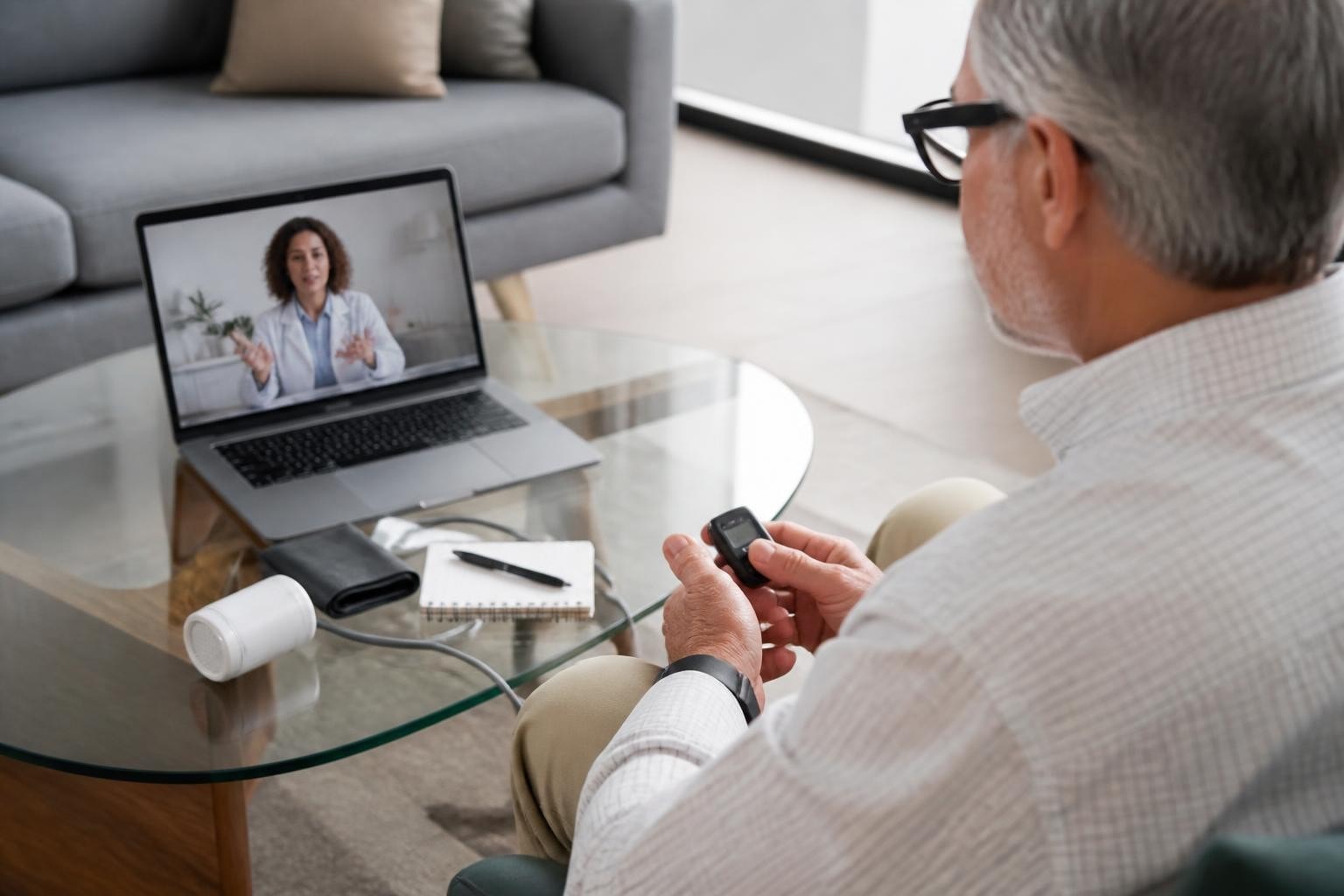
Discover how iHealth Clinic's innovative approach to accessible healthcare aligns with modern longevity medicine and preventive care strategies.
The healthcare landscape continues to transform as patients seek more accessible, affordable, and personalized medical care. Modern clinics are reimagining how preventive medicine and primary care services can be delivered with greater convenience and transparency. The ihealth clinic model represents one approach to addressing these evolving patient needs through direct access care, while similar innovations in longevity medicine are creating comprehensive wellness solutions that extend far beyond traditional healthcare delivery.
Understanding the Direct Access Healthcare Model
The direct access primary care model fundamentally reshapes the patient-provider relationship by removing many traditional barriers to quality healthcare. This approach emphasizes transparency in pricing, minimal wait times, and increased accessibility for patients seeking both routine care and immediate medical attention.
iHealth Clinic's Direct Access Primary Care model demonstrates how clinics can prioritize patient convenience while maintaining high-quality medical services. The system focuses on:
- Elimination of insurance-related administrative burdens
- Transparent, upfront pricing for all services
- Extended appointment times for thorough patient consultations
- Direct communication channels between patients and providers
- Same-day or next-day appointment availability
This framework allows healthcare providers to spend more time addressing patient concerns rather than navigating complex insurance requirements. The approach has gained significant traction among patients frustrated with traditional healthcare systems that often involve long wait times, rushed appointments, and unexpected billing surprises.
Key Components of Modern Accessible Care
Healthcare accessibility extends beyond physical location to encompass multiple dimensions of patient experience. Financial accessibility ensures patients can afford necessary care without financial hardship. Temporal accessibility means services are available when patients need them, not just during standard business hours. Informational accessibility provides patients with clear, understandable information about their health conditions and treatment options.
The ihealth clinic approach addresses these dimensions through structured service offerings that span urgent care, primary care, and telemedicine options. This multi-channel delivery system ensures patients can access appropriate care regardless of their specific situation or constraints.

Integrating Preventive Care with Longevity Medicine
While traditional primary care focuses on managing existing conditions and providing reactive treatment, longevity medicine takes a proactive approach to health optimization. This paradigm shift emphasizes early detection, continuous monitoring, and personalized interventions designed to extend healthspan rather than merely treating disease.
| Traditional Primary Care | Longevity Medicine Approach |
|---|---|
| Annual checkups | Continuous biomarker monitoring |
| Reactive disease treatment | Proactive health optimization |
| Standard lab panels | Comprehensive biomarker analysis (200-300+ markers) |
| Episodic interventions | Ongoing medical supervision |
| Generic treatment protocols | Personalized treatment plans |
The evolution toward preventive and longevity-focused care requires infrastructure that supports regular patient engagement and data-driven decision making. Healthi Life's approach to longevity programs incorporates extensive biomarker testing and ongoing medical supervision to create truly personalized health optimization strategies.
Biomarker-Driven Health Optimization
Advanced health optimization relies on comprehensive biomarker analysis that extends far beyond standard laboratory testing. Modern longevity clinics analyze hundreds of biomarkers spanning metabolic function, hormonal balance, inflammatory markers, cardiovascular health indicators, and cellular aging metrics.
This data-intensive approach enables practitioners to:
- Establish baseline health metrics across multiple physiological systems
- Identify subtle imbalances before they progress to clinical disease
- Track treatment response with objective measurements
- Adjust interventions based on individual patient responses
- Monitor long-term trends to optimize health trajectories
Functional medicine approaches in Bangkok exemplify how comprehensive testing can inform personalized treatment strategies that address root causes rather than merely managing symptoms.
Service Integration Across Healthcare Needs
Comprehensive healthcare delivery requires seamless integration across various service levels, from immediate acute care to long-term wellness management. The ihealth clinic model demonstrates this integration through coordinated offerings spanning urgent care, primary care, and telemedicine services.
Walk-in clinic services provide immediate access for patients requiring prompt attention without the complexity of emergency room visits. This tier of care addresses common acute issues efficiently and cost-effectively, reserving higher-acuity settings for truly emergent situations.
Urgent Care Accessibility
Urgent care services bridge the gap between primary care and emergency medicine, offering same-day treatment for conditions requiring immediate attention but not rising to emergency department severity. Common urgent care scenarios include:
- Minor injuries requiring evaluation and treatment
- Acute infections needing prompt diagnosis
- Sudden symptom onset requiring same-day assessment
- Medication management requiring immediate adjustment
- Follow-up care for recently diagnosed conditions
Urgent care services at ihealth clinic emphasize transparent pricing and minimal wait times, making acute care more accessible to patients who might otherwise delay necessary treatment due to cost concerns or time constraints.

Primary Care as Health Foundation
Primary care forms the foundation of comprehensive health management, providing continuity across multiple health domains. Effective primary care includes preventive screenings, chronic disease management, health education, and coordination with specialty services when needed.
The primary care services offered through accessible clinic models emphasize regular patient engagement and proactive health management rather than episodic care focused solely on acute problems.
For patients pursuing advanced health optimization, primary care serves as the coordinating hub for more specialized interventions. Hormone replacement therapy in Bangkok exemplifies how primary care providers can oversee sophisticated treatment protocols while maintaining holistic patient oversight.
Technology Integration in Modern Healthcare
Digital health technologies have transformed how clinics deliver care and engage with patients. Telemedicine platforms extend clinic reach beyond physical locations, enabling patients to access medical consultations from home or while traveling. Electronic health records ensure continuity of care by making patient information accessible across different care settings.
The integration of technology in healthcare delivery offers several advantages:
- Reduced geographic barriers to specialist consultation
- Increased appointment flexibility for patients with complex schedules
- Enhanced care continuity through comprehensive digital records
- Improved patient education via digital resources
- Better treatment adherence through automated reminders and monitoring
Modern longevity clinics leverage technology for continuous health monitoring and data analysis. Genetic testing services combined with ongoing biomarker tracking create rich datasets that inform increasingly precise treatment recommendations.
Patient Engagement Through Digital Channels
Active patient engagement significantly improves health outcomes across various conditions. Digital communication channels enable more frequent touchpoints between patients and providers without requiring in-person visits for every interaction.
This enhanced engagement model proves particularly valuable for patients undergoing medical weight loss programs in Bangkok or other interventions requiring regular monitoring and adjustment. Frequent check-ins allow providers to modify treatment protocols based on patient response and emerging data.
Cost Transparency and Financial Accessibility
Healthcare cost opacity remains one of the most significant patient frustrations in traditional medical systems. Patients often receive care without clear understanding of associated costs, leading to unexpected bills that create financial stress and erode trust in the healthcare system.
The ihealth clinic model addresses this challenge through upfront, transparent pricing that enables patients to make informed decisions about their care. This approach eliminates billing surprises and allows patients to budget appropriately for medical expenses.
| Service Type | Traditional Model | Transparent Pricing Model |
|---|---|---|
| Urgent care visit | Unknown until billing | Fixed price disclosed before treatment |
| Laboratory testing | Insurance-dependent, often unknown | Published test pricing |
| Procedures | Complex insurance negotiations | Clear procedure costs |
| Follow-up visits | Variable copays and fees | Consistent, predictable pricing |
Financial transparency extends beyond individual service pricing to encompass comprehensive treatment programs. Longevity programs spanning multiple months require clear communication about total investment, included services, and expected outcomes.
Value-Based Healthcare Delivery
Value-based care prioritizes patient outcomes and satisfaction rather than volume of services delivered. This model aligns provider incentives with patient health goals, encouraging preventive interventions and proactive management over reactive treatment.
For patients pursuing optimal health and longevity, value-based care manifests through comprehensive programs that address multiple health dimensions simultaneously. NAD+ IV therapy in Bangkok represents one component of multi-faceted approaches that combine cellular optimization, hormonal balance, metabolic support, and lifestyle interventions.

Personalization in Healthcare Delivery
Generic treatment protocols fail to account for individual variability in genetics, lifestyle, environment, and health goals. Personalized medicine recognizes that optimal interventions differ substantially across individuals, even for the same condition.
The shift toward personalization requires:
- Comprehensive baseline assessment including detailed medical history, genetic analysis, and biomarker testing
- Individual goal setting aligned with patient priorities and values
- Customized treatment protocols based on patient-specific data
- Regular monitoring and adjustment to optimize outcomes
- Holistic integration of multiple therapeutic modalities
Medical tourism in Thailand has grown substantially due to the availability of personalized, comprehensive health programs that may be difficult to access or prohibitively expensive in other markets.
Regenerative Medicine Integration
Regenerative therapies represent the frontier of personalized medicine, offering interventions that promote tissue repair and cellular rejuvenation. These advanced treatments increasingly integrate with comprehensive longevity programs to address both immediate concerns and long-term health optimization.
Stem cell therapy in Bangkok exemplifies how cutting-edge regenerative treatments can be incorporated into holistic health programs. When combined with hormonal optimization, metabolic support, and lifestyle interventions, regenerative therapies may enhance overall treatment efficacy.
Advanced regenerative options now accessible through specialized longevity clinics include:
- Exosome therapy for cellular communication and repair
- PRP (platelet-rich plasma) treatments for tissue regeneration
- Peptide therapy for targeted biological signaling
- IV nutrient optimization for cellular function support
These interventions require sophisticated medical oversight and integration with broader health optimization strategies. Peptide therapy services demonstrate how specialized treatments can be safely administered within comprehensive medical programs.
Chronic Disease Management and Prevention
Chronic diseases including diabetes, cardiovascular disease, and metabolic syndrome account for the majority of healthcare spending and significantly impact quality of life. Effective management requires ongoing monitoring, lifestyle interventions, medication management, and regular provider engagement.
The ihealth clinic approach to chronic disease management emphasizes accessibility and continuity, ensuring patients can maintain regular contact with their healthcare team without significant barriers.
Preventive strategies prove most effective when implemented before disease manifestation. Comprehensive health assessments identify risk factors early, enabling targeted interventions that may prevent disease development entirely.
Metabolic Optimization
Metabolic health forms the foundation of overall wellness and longevity. Optimizing metabolic function through targeted interventions can improve energy levels, body composition, cognitive performance, and disease risk profiles.
Modern metabolic optimization programs incorporate:
- Advanced metabolic testing beyond standard glucose and lipid panels
- Continuous glucose monitoring for real-time metabolic feedback
- Personalized nutrition protocols based on individual metabolic responses
- Strategic supplementation to address specific deficiencies
- Hormonal optimization to support metabolic efficiency
Hormone replacement therapy for men in Bangkok addresses one critical component of metabolic optimization, recognizing that declining hormones significantly impact metabolic function, body composition, and overall vitality.
The Future of Integrated Healthcare
Healthcare delivery continues evolving toward more patient-centered, accessible, and personalized models. The convergence of direct access care, telemedicine, advanced diagnostics, and regenerative medicine creates new possibilities for comprehensive health optimization.
Future healthcare systems will likely feature:
- Continuous health monitoring through wearable devices and home testing
- AI-assisted treatment optimization based on individual patient data
- Proactive intervention before disease manifestation
- Seamless integration across care settings and provider types
- Outcome-focused payment models rewarding health improvement
The ihealth clinic model and similar innovations in accessible healthcare delivery lay groundwork for these future systems by demonstrating that quality care can be delivered efficiently, transparently, and affordably.
Longevity medicine represents the natural evolution of these trends, extending focus beyond disease treatment to comprehensive health optimization and lifespan extension. This approach requires sustained patient engagement, extensive personalization, and integration of multiple therapeutic modalities under expert medical supervision.
Modern healthcare delivery demands accessibility, transparency, and personalization that traditional systems often fail to provide. The innovations demonstrated by clinics emphasizing direct access and patient-centered care point toward a more effective healthcare future. For those seeking comprehensive health optimization that extends beyond conventional medical care, Healthi Life offers doctor-led longevity programs in Bangkok that combine cutting-edge diagnostics, personalized treatment protocols, and ongoing medical supervision to help you achieve your optimal health potential. Take the first step toward enhanced vitality and longevity by exploring how our comprehensive biomarker-driven approach can transform your health trajectory.