
Juvelook vs Rejuran: Which Injectable Works Best in 2026
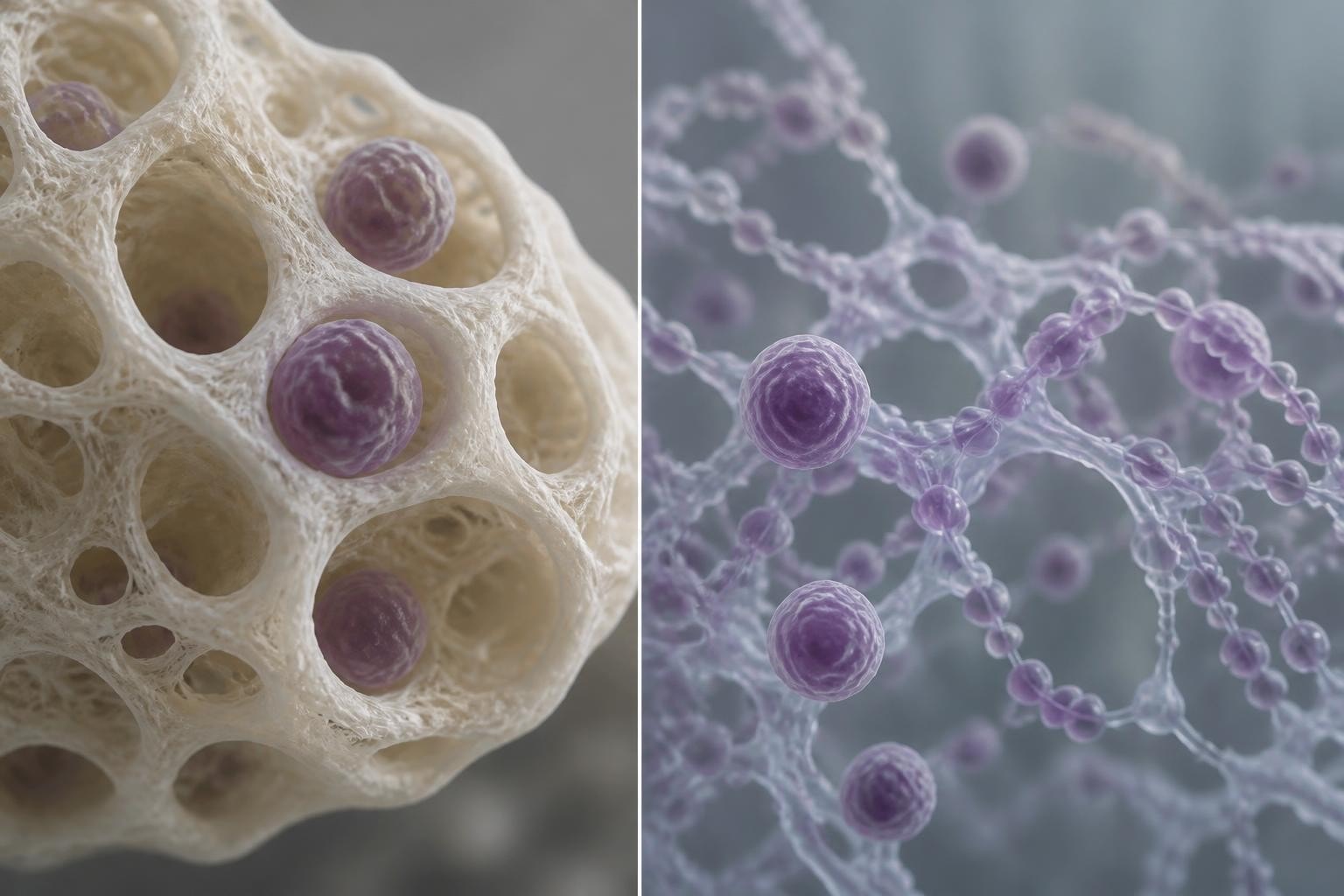
Juvelook vs Rejuran comparison: mechanism, evidence, timeline, cost. Which injectable delivers collagen stimulation? Facts, data, no hype.
This page is for general information and does not constitute medical advice, diagnosis, or treatment. Results vary between individuals. BPC-157 peptide is a prescription medicine, dispensed and administered only after assessment by a licensed physician. This page is medical information, not an advertisement or an offer of treatment. Every medicine and peptide listed here is dispensed only after a medical consultation at Healthi Life and on a physician's prescription. Prices are published for transparency, not as an offer to supply. Always consult a qualified physician about your condition. See our full medical disclaimer.
Verdict: Juvelook uses poly-D, L-lactic acid to build collagen scaffolds over 12 months. Rejuran uses salmon-derived polynucleotides to signal wound repair over 6 to 8 weeks. Both stimulate tissue regeneration, but through different molecular pathways, different timelines, and different cellular targets. Juvelook is a volumizer. Rejuran is a repair signal. The decision depends on what you want fixed and how long you can wait.
This is the juvelook vs rejuran comparison for 2026. We present the mechanism, the evidence, the timeline, the cost in Thailand, and the decision framework. Every detail is cited. No adjective stands in for a number.
What Juvelook and Rejuran Actually Do
Juvelook contains poly-D, L-lactic acid microspheres suspended in a polynucleotide carrier gel. The PDLLA particles trigger fibroblasts to deposit collagen over 9 to 12 months. The carrier gel provides immediate hydration and a secondary wound-healing signal. The product is Korean, manufactured by CHA Meditech, and cleared for skin rejuvenation. Healthi Life is a physician-led longevity clinic in Bangkok.
Rejuran contains polydeoxyribonucleotide extracted from salmon sperm DNA. PDRN binds to adenosine A2A receptors on fibroblasts and endothelial cells, upregulating VEGF and collagen synthesis. It also reduces matrix metalloproteinase activity, which slows collagen breakdown. Clinical effects appear within 4 to 6 weeks and plateau by 8 weeks.
Molecular differences between polynucleotides and polydeoxyribonucleotides include chain length, nucleotide composition, and receptor binding. PDRN is shorter (50 to 1500 base pairs), binds A2A receptors, and signals repair. Generic polynucleotides are longer, act as humectants, and provide structural scaffolding.
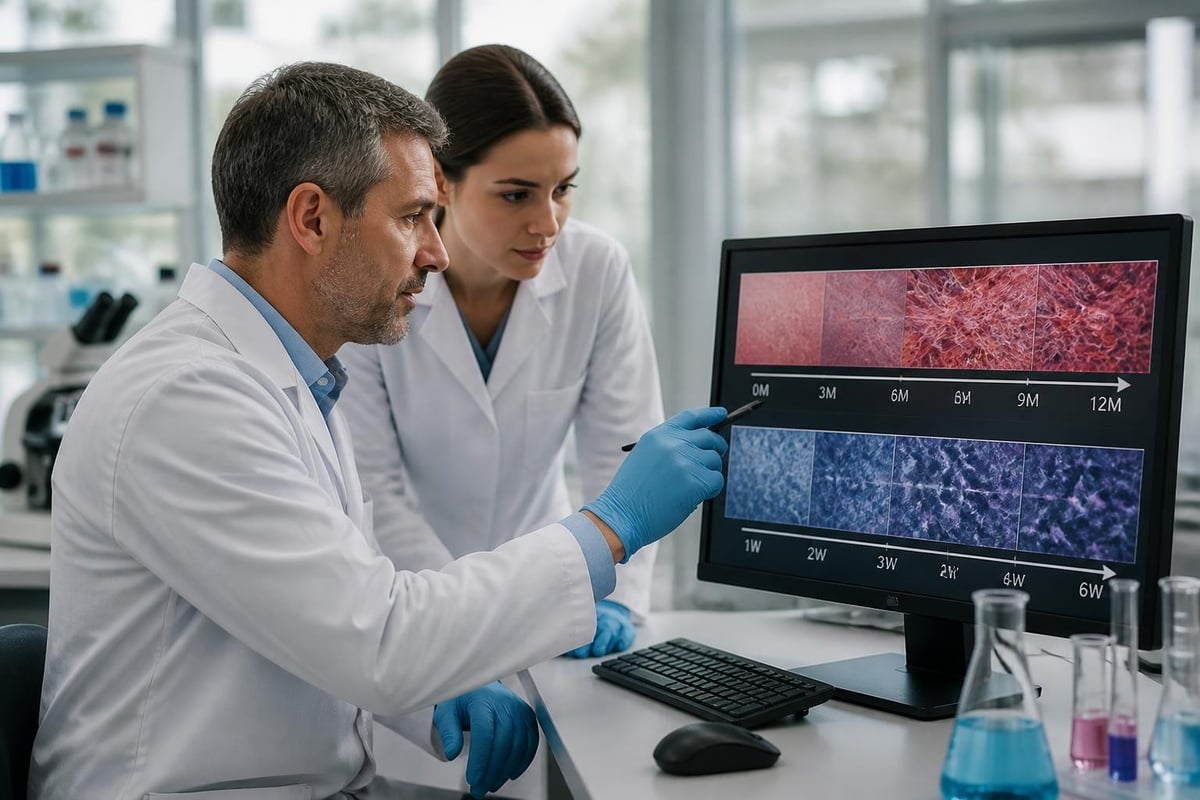
Mechanism of Action: Different Targets
| Aspect | Juvelook | Rejuran |
|---|---|---|
| Active agent | Poly-D, L-lactic acid + PN gel | Polydeoxyribonucleotide (PDRN) |
| Molecular weight | PDLLA: 50,000+ Da; PN: variable | 50 to 1500 base pairs |
| Primary target | Fibroblast phagocytosis, foreign-body reaction | Adenosine A2A receptor |
| Collagen onset | 8 to 12 weeks | 2 to 4 weeks |
| Peak effect | 6 to 9 months | 6 to 8 weeks |
| Duration | 12 to 18 months | 4 to 6 months |
Juvelook is a volumizer first and a regenerator second. The PDLLA particles are engulfed by macrophages, which release TGF-β and PDGF, recruiting fibroblasts and triggering collagen deposition. The polynucleotide gel hydrates tissue immediately and adds a wound-healing signal, but the long-term effect is driven by PDLLA.
Rejuran is a signal molecule. PDRN does not provide volume. It binds adenosine receptors, increases VEGF expression, improves angiogenesis, and reduces inflammation. Expert perspectives on polynucleotides in aesthetic medicine note that PDRN is used for skin texture, fine lines, periorbital hollowing, and wound healing rather than volumization.
At Healthi Life in Ekkamai, Bangkok, we offer Juvelook in Bangkok after consultation and biomarker review. We do not offer Rejuran. The reason is simple: we stock products that fit our protocols, and Juvelook integrates better with collagen-stimulation timelines and peptide stacks. If you want Rejuran, other clinics in Bangkok carry it.
Every medicine and peptide listed here is dispensed only after a medical consultation at Healthi Life and on a physician's prescription. Prices are published for transparency, not as an offer to supply.
Clinical Evidence and Outcome Data
A systematic review of randomized trials covering polynucleotides and polydeoxyribonucleotides for skin rejuvenation, published in 2026, analyzed 18 RCTs. PDRN showed statistically significant improvement in skin elasticity, hydration, and melanin index. Most trials measured outcomes at 4, 8, and 12 weeks. Dropout rates were low. Adverse events were minimal: erythema, mild edema, transient bruising.
One split-face trial tested Rejuran after fractional needle radiofrequency. The Rejuran side showed 23% greater improvement in skin elasticity at 8 weeks compared to radiofrequency alone. Melanin index improved by 12%. No serious adverse events were recorded. The study used standardized photography and cutometer measurements.
For Juvelook, published data are sparser. The product was introduced in 2022. Most evidence is post-market surveillance, case series, and investigator-sponsored studies. One Korean series of 84 subjects reported collagen density increase of 18% at 6 months, measured by ultrasound. Another series showed patient satisfaction scores of 4.2 out of 5 at 9 months. No RCTs comparing Juvelook vs Rejuran have been published as of November 2026.
The juvelook vs rejuran evidence gap is real. Rejuran has been in clinical use since 2014. It has RCTs, meta-analyses, and registry data. Juvelook has volume but not peer-reviewed validation. A physician choosing between the two must weigh market experience against published data.

Who Uses Which: Indications and Combinations
Juvelook is used for:
- Volume loss in midface, temples, or jawline
- Skin laxity requiring structural support
- Long-term collagen building (12+ months)
- Patients who want delayed, natural-looking change
- Combination protocols with peptides or exosomes
Rejuran is used for:
- Fine lines and skin texture
- Periorbital hollows and tear troughs
- Acne scars and post-inflammatory erythema
- Wound healing after laser or radiofrequency
- Patients who want faster results (6 to 8 weeks)
A randomized study comparing ionization-adjusted PN vs standard PN used Rejuran as the control arm. The modified PN showed 14% greater improvement in periorbital wrinkles at 12 weeks, but Rejuran still improved scores by 19% from baseline. Both were well tolerated. Pain scores were comparable.
The juvelook vs rejuran decision often comes down to injection depth and tissue target. Juvelook is placed in the deep dermis or supraperiosteal plane. Rejuran is placed in the superficial to mid dermis. Juvelook builds scaffolding. Rejuran signals repair at the cellular level.
Timeline, Downtime, and What Happens After Injection
| Parameter | Juvelook | Rejuran |
|---|---|---|
| Injection depth | Deep dermis, supraperiosteal | Superficial to mid dermis |
| Sessions recommended | 2 to 3, 4 to 6 weeks apart | 3 to 4, 2 to 4 weeks apart |
| Onset of visible effect | 8 to 12 weeks | 2 to 4 weeks |
| Peak effect | 6 to 9 months | 6 to 8 weeks |
| Effect duration | 12 to 18 months | 4 to 6 months |
| Downtime | 1 to 2 days mild swelling | 1 to 3 days erythema, possible papules |
| Pain during injection | Moderate (anesthetic often used) | Mild to moderate |
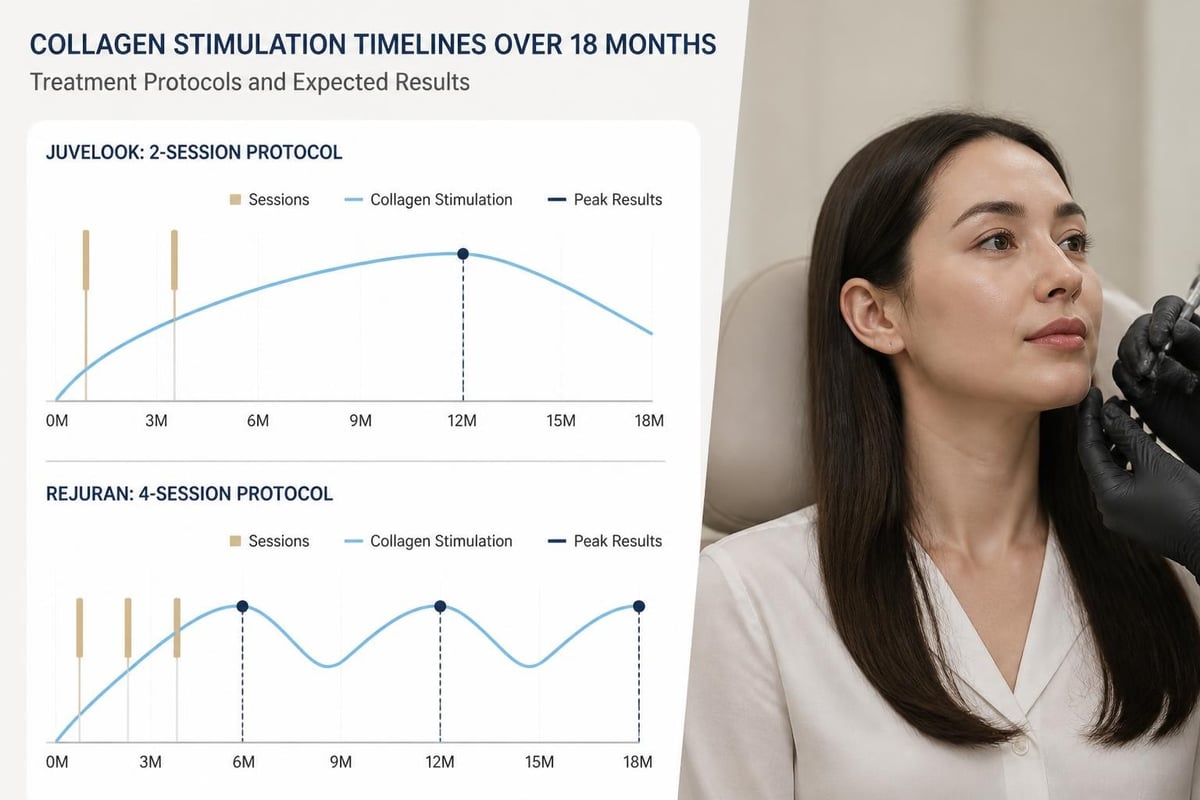
Juvelook sessions are spaced 4 to 6 weeks apart. After the first session, you see mild swelling for 24 to 48 hours. By week 8, fibroblasts begin depositing collagen. By month 3, you see volume. Peak volume arrives between month 6 and month 9. The effect holds for 12 to 18 months, then slowly degrades as collagen is remodeled.
Rejuran sessions are spaced 2 to 4 weeks apart. After injection, you see small papules at injection sites. They resolve in 12 to 24 hours. Erythema lasts 1 to 3 days. By week 2, skin texture improves. By week 6, elasticity and hydration peak. The effect lasts 4 to 6 months. Maintenance sessions every 3 to 4 months are common.
Downtime for both is minimal. You can return to work the same day. Avoid strenuous exercise for 24 hours. Avoid direct sun for 48 hours. No makeup for 12 hours after Rejuran. Ice packs reduce swelling after Juvelook.
The juvelook vs rejuran timeline difference is the main clinical distinction. If you need faster results for an event, Rejuran fits. If you want gradual, long-lasting volume, Juvelook fits. Neither product is instant. Both require patience.
Cost in Thailand: Exact Pricing
At Healthi Life, Juvelook is priced at THB 15,000 per session. A package of two sessions is THB 33,000. The package is recommended because collagen stimulation requires serial sessions. Pricing includes consultation, injection, and post-procedure review.
We do not offer Rejuran. Other clinics in Bangkok list Rejuran at THB 12,000 to THB 18,000 per session, depending on volume and brand formulation. Most protocols call for 3 to 4 sessions, so total cost runs THB 36,000 to THB 72,000.
The juvelook vs rejuran cost comparison in Thailand slightly favors Rejuran per session, but Juvelook requires fewer sessions for sustained effect. Over 18 months, Juvelook's total cost is often lower. You pay once for longer-lasting collagen. Rejuran requires repeat sessions every 4 to 6 months.
Payment is per session. No deposit required. Sessions are booked after physician consultation. If you change your mind after the first session, there is no obligation to continue.
How the Decision Is Made: Physician Evaluation and Biomarkers
You do not choose Juvelook or Rejuran from a menu. The physician examines skin thickness, laxity, hydration, and volume loss. If ultrasound shows dermal thinning and collagen loss, Juvelook is considered. If clinical exam shows fine lines, poor texture, and shallow scars, Rejuran may be more appropriate.
At Recovery & Performance medicine, we integrate skin injectables into broader regeneration protocols. Juvelook may be combined with exosomes, peptides, or PRP. The sequence matters. Exosomes before Juvelook amplify fibroblast response. Peptides after Juvelook extend collagen synthesis.
Clinical practices and indications for polynucleotides emphasize individualized protocols. The same patient may benefit from Juvelook in the midface and Rejuran periocularly. The products are not mutually exclusive. They target different layers and different goals.
Contraindications for both include active infection, autoimmune connective tissue disease, known allergy to PN or PDRN, and pregnancy. Patients on anticoagulants have higher bruising risk. Patients with keloid history should be counseled carefully.
A narrative review from the Spanish Society of Aesthetic Medicine notes that selection criteria should include skin type, age, photoaging grade, and patient expectation. No single product fits all cases. The physician decides after seeing the tissue.
Safety, Adverse Events, and What Can Go Wrong
Both Juvelook and Rejuran are generally well tolerated. The most common adverse events are injection-site reactions: erythema, swelling, bruising, tenderness. These resolve within 3 to 7 days.
Rare but documented events include:
- Granuloma formation: Reported with PDLLA products, typically appearing 6 to 12 months post-injection. Managed with intralesional corticosteroids or hyaluronidase (though hyaluronidase does not dissolve PDLLA).
- Nodules: Palpable lumps from uneven product placement or overcorrection. More common with Juvelook than Rejuran.
- Infection: Rare if sterile technique is followed. Treated with antibiotics.
- Allergic reaction: Extremely rare with PDRN. PDLLA is biocompatible, but hypersensitivity to PN carrier gel is possible.
The juvelook vs rejuran safety profile slightly favors Rejuran. PDRN has 12 years of clinical use and a large safety database. Juvelook is newer. Long-term safety data beyond 24 months are limited.
Neither product is reversible. Hyaluronic acid can be dissolved with hyaluronidase. PDLLA and PDRN cannot. Once injected, you wait for biological degradation. This is why physician skill and product placement matter.
Patients should report persistent swelling, warmth, or pain beyond 7 days. These may signal infection or granuloma. Early intervention prevents long-term complications.
Frequently Asked Questions
What is the main difference between Juvelook and Rejuran?
Juvelook uses poly-D, L-lactic acid to build collagen scaffolds over 9 to 12 months. Rejuran uses polydeoxyribonucleotide to signal wound repair and improve skin quality over 6 to 8 weeks. Juvelook volumizes. Rejuran repairs.
How many sessions do I need for each?
Juvelook typically requires 2 to 3 sessions spaced 4 to 6 weeks apart. Rejuran typically requires 3 to 4 sessions spaced 2 to 4 weeks apart. Maintenance for Rejuran is every 3 to 4 months. Juvelook lasts 12 to 18 months without repeat.
Can I combine Juvelook and Rejuran?
Yes. Some protocols use Rejuran periocularly for fine lines and Juvelook in the midface for volume. The products target different tissue layers and cellular pathways. The physician decides based on clinical exam.
Which one has more published evidence?
Rejuran has more peer-reviewed trials, meta-analyses, and long-term registry data. Juvelook has post-market surveillance and case series but fewer randomized controlled trials as of 2026.
Why does Healthi Life not offer Rejuran?
We stock Juvelook because it integrates better with our collagen-stimulation protocols, longer timelines, and peptide stacks. Patients who prefer Rejuran can access it at other Bangkok clinics. We offer what fits our treatment model.
What the Physician Looks At: Clinical Exam and Decision Criteria
The physician examines skin using visual assessment, palpation, and sometimes ultrasound. Dermal thickness is measured. Volume loss is graded. Skin elasticity is tested with pinch test or cutometer.
If dermal thickness is below 1.2 mm and volume loss is moderate to severe, Juvelook may be appropriate. If skin texture is rough, pores are enlarged, or fine lines dominate, Rejuran may fit better. If both volume and texture need correction, the physician may stage treatments: Rejuran first, Juvelook later.
Age is a factor. Patients over 50 with significant volume loss benefit more from Juvelook. Patients in their 30s with early photoaging benefit more from Rejuran. But these are guidelines, not rules. Tissue quality decides.
The physician also considers lifestyle. If the patient travels frequently and cannot commit to monthly sessions, Juvelook's longer interval is better. If the patient wants faster results for an event, Rejuran is better.
At Healthi Life, the decision is made after consultation, not before. You do not arrive and choose from a list. The physician sees the tissue, reviews your history, and recommends a protocol. You decide whether to proceed.
Integration with Broader Regeneration Protocols
Skin injectables are one tool. They work better when combined with systemic biomarker correction, peptide protocols, and cellular therapies. A patient with low vitamin D, poor sleep, and chronic inflammation will not respond optimally to Juvelook or Rejuran. The tissue environment must support regeneration.
We test vitamin D, zinc, copper, hs-CRP, and insulin sensitivity before starting skin protocols. If deficiencies exist, we correct them first. Collagen synthesis requires adequate vitamin C, lysine, proline, and glycine. We dose those if needed.
Peptides like GHK-Cu or BPC-157 may be added. GHK-Cu upregulates collagen genes and improves wound healing. BPC-157 reduces inflammation and accelerates tissue repair. These are dosed subcutaneously or orally, depending on the protocol.
This is the difference between a volume clinic and a longevity house. We measure, understand, decide. The injectable is the final step, not the first.
Juvelook and Rejuran stimulate collagen through different molecular pathways, different timelines, and different tissue targets. Juvelook builds scaffolds over 12 months. Rejuran signals repair over 6 weeks. The choice depends on what you want corrected and how long you can wait for it. At Healthi Life, every injectable protocol begins with a physician consultation and biomarker review, not a price list. We offer what fits the science and the timeline, and we tell you when something does not.
Every medicine named on this page is dispensed only after a medical consultation at Healthi Life and on a physician's prescription. No dosing schedule is published here; the dose is set by the prescribing physician. This page is published for transparency, not as an offer to supply.
- 5.0 Google Rating · 238 reviews
- 2,500+ Guests
- 50+ Countries
- 2025 Regenerative Clinic of the Year in Asia-Pacific — GlobalHealth Asia-Pacific Awards