
Mounjaro vs Wegovy: Medical Evidence and 2026 Outcomes
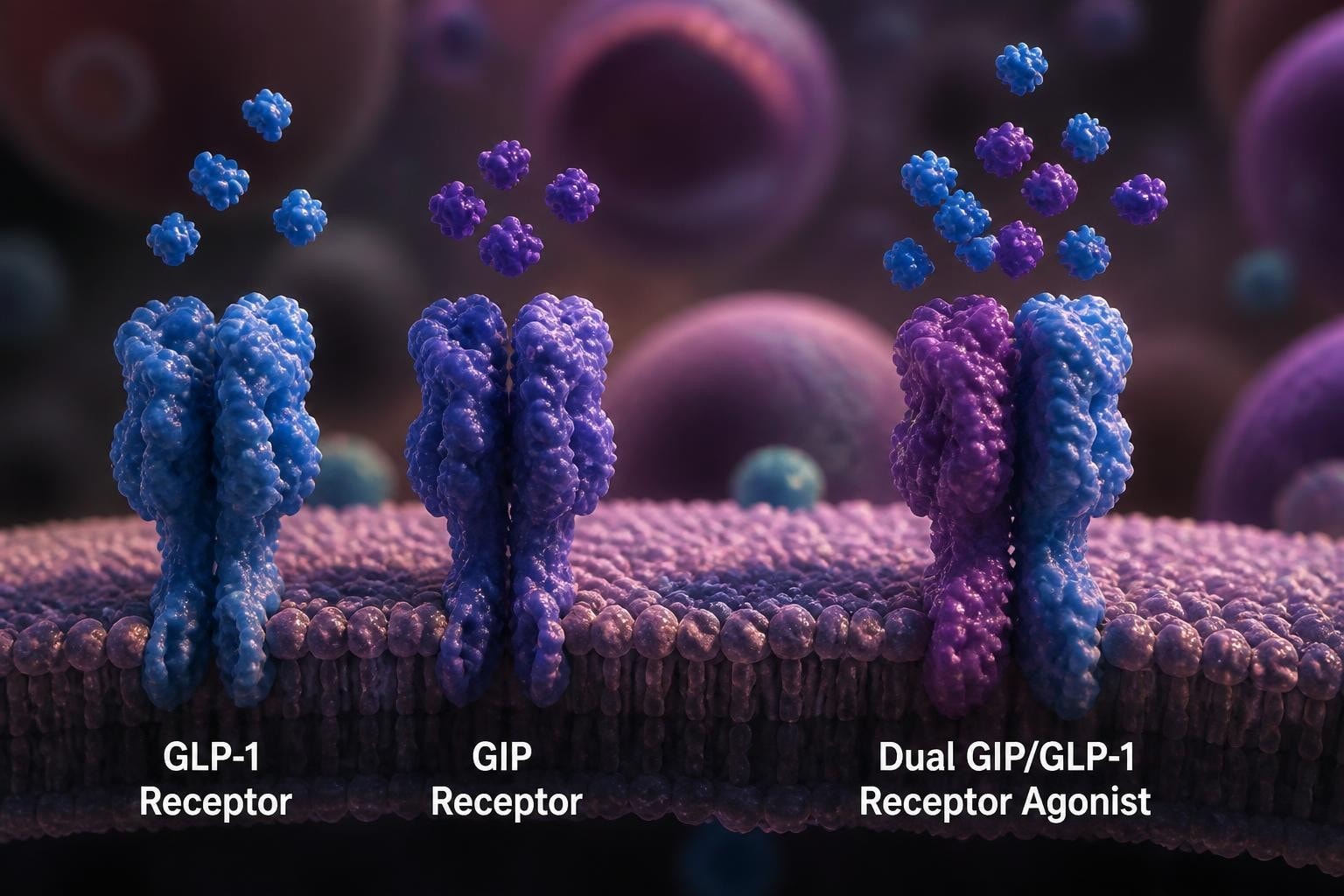
Mounjaro vs Wegovy compared: mechanism, clinical evidence, metabolic outcomes, and what physicians consider before prescribing in 2026.
This page is for general information and does not constitute medical advice, diagnosis, or treatment. Results vary between individuals. GLP-1 medication (semaglutide — Ozempic, Wegovy; tirzepatide — Mounjaro) is a prescription medicine, dispensed and administered only after assessment by a licensed physician. This page is medical information, not an advertisement or an offer of treatment. Every medicine and peptide listed here is dispensed only after a medical consultation at Healthi Life and on a physician's prescription. Prices are published for transparency, not as an offer to supply. Always consult a qualified physician about your condition. See our full medical disclaimer.
Mounjaro delivers greater mean weight reduction than Wegovy in head-to-head trials, though both medications require continuous physician supervision, periodic biomarker monitoring, and structured protocols to maintain results. The difference lies in receptor targeting: tirzepatide (Mounjaro) activates both GIP and GLP-1 receptors, while semaglutide (Wegovy) targets GLP-1 alone, and that dual mechanism produces measurably different metabolic outcomes.
What Differentiates Mounjaro vs Wegovy at the Receptor Level
Tirzepatide is a dual glucose-dependent insulinotropic polypeptide (GIP) and glucagon-like peptide-1 (GLP-1) receptor agonist. Semaglutide is a selective GLP-1 receptor agonist. Both are injectable incretin mimetics, but the addition of GIP activity changes how the body responds to each dose. This guide is published by the Healthi Life longevity clinic in Bangkok.
GLP-1 receptors regulate insulin secretion, suppress glucagon, slow gastric emptying, and reduce appetite through central pathways. GIP receptors amplify insulin response, modulate fat metabolism, and may influence central appetite regulation differently than GLP-1 alone. The combined activation in tirzepatide produces effects that differ from GLP-1 monotherapy, both in magnitude and in specific metabolic markers.

Clinical Evidence on Weight Reduction
A systematic review and meta-analysis published in 2024 pooled data from randomized controlled trials comparing tirzepatide and semaglutide for body-weight reduction. Tirzepatide produced a mean difference of 5.4 kg greater weight loss than semaglutide across trials. Subgroup analysis showed dose-dependent effects: higher tirzepatide doses consistently outperformed semaglutide.
Trial duration matters. Studies lasting 40 weeks or longer showed more pronounced differences between the two medications. Short-term studies (under 40 weeks) demonstrated smaller gaps, though tirzepatide still led in mean percentage change from baseline.
Mounjaro vs Wegovy: Evidence Summary Table
| Parameter | Mounjaro (Tirzepatide) | Wegovy (Semaglutide) |
|---|---|---|
| Mechanism | Dual GIP/GLP-1 agonist | GLP-1 agonist |
| Mean weight loss (vs placebo) | 15-22% at 72 weeks | 12-17% at 68 weeks |
| HbA1c reduction | 1.8-2.4% | 1.5-2.0% |
| Injection frequency | Once weekly | Once weekly |
| Nausea incidence | 20-30% | 40-50% |
| Cost in Thailand (2026) | THB 18,500 per month | Not offered at Healthi Life |
Healthi Life offers Mounjaro through physician-supervised protocols. We do not currently dispense Wegovy. Every medicine and peptide listed here is dispensed only after a medical consultation at Healthi Life and on a physician's prescription.
Cardiometabolic Outcomes Beyond Weight
Weight loss is one endpoint. Cardiometabolic biomarkers tell the rest of the story. A narrative review synthesizing clinical trials and real-world data found that tirzepatide produced greater reductions in hemoglobin A1c, fasting glucose, and triglycerides compared to semaglutide in patients with type 2 diabetes.
Blood pressure reductions were similar between the two medications. Liver enzyme improvements (ALT, AST) appeared more pronounced with tirzepatide in patients with non-alcoholic fatty liver disease, though this requires replication in dedicated hepatology trials.
Cardiovascular outcome trials for tirzepatide are ongoing as of 2026. Semaglutide has established cardiovascular risk reduction in the SUSTAIN and STEP trial programs. Until tirzepatide's dedicated cardiovascular outcome trials report, physicians must weigh known cardiovascular benefit (semaglutide) against greater metabolic improvement (tirzepatide) when selecting therapy.
Timeline and Response Patterns
Both medications require titration. Starting doses are low to minimize gastrointestinal side effects, then increased every four weeks until the target dose is reached or side effects limit escalation.
Tirzepatide typical escalation:
- 2.5 mg weekly for four weeks
- 5 mg weekly for four weeks
- 7.5 mg weekly (hold or advance)
- 10 mg weekly (hold or advance)
- 15 mg weekly (maximum dose)
Semaglutide typical escalation:
- 0.25 mg weekly for four weeks
- 0.5 mg weekly for four weeks
- 1.0 mg weekly for four weeks
- 1.7 mg weekly (hold or advance)
- 2.4 mg weekly (maximum dose)
Weight loss becomes measurable by week eight in most patients. Peak weight loss occurs between 60 and 72 weeks, provided the patient maintains the medication, follows the prescribed dietary structure, and adheres to the activity protocol their physician outlines.
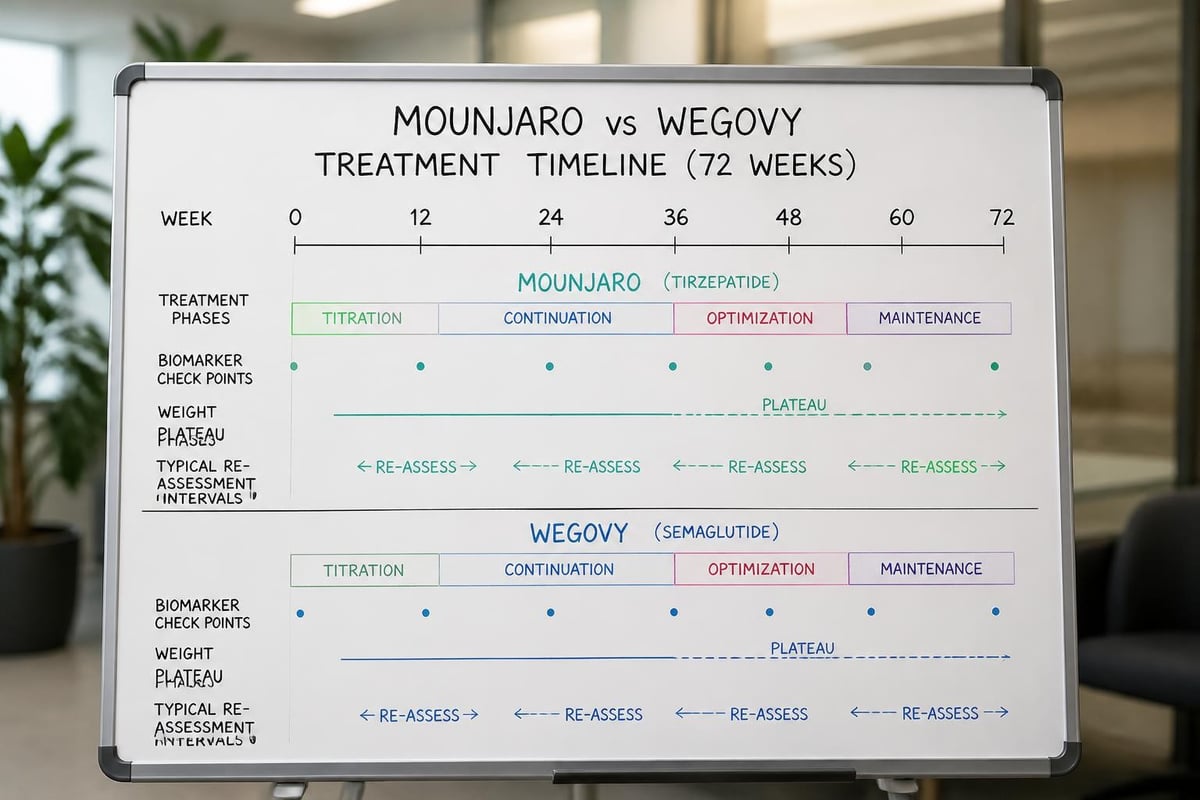
Plateaus occur. When weight loss stalls despite adherence, the physician reviews metabolic markers, adjusts macronutrient targets, evaluates sleep and stress biomarkers, and considers whether dose adjustment is appropriate. Some patients reach their metabolic ceiling at tirzepatide or semaglutide. Others require maximum doses. The decision follows data, not protocol.
Gastrointestinal Tolerance and Discontinuation
Nausea is the most common adverse event with both medications. Incidence is higher with semaglutide than tirzepatide in pooled trial data. Slower titration reduces nausea frequency but delays the time to therapeutic dose.
Vomiting, diarrhea, and constipation occur in 10-20% of patients on either medication. These effects typically diminish after the first twelve weeks, though a subset of patients experience persistent symptoms that require dose reduction or discontinuation.
Discontinuation rates in clinical trials range from 6-9% for tirzepatide and 8-12% for semaglutide due to gastrointestinal intolerance. Real-world discontinuation rates are higher, reflecting less strict patient selection and variable support structures outside trial protocols.
Considerations for Longevity-Focused Patients
Weight loss medications intersect with longevity medicine when used as part of a structured metabolic optimization program. The goal is not aesthetic weight loss but correction of metabolic dysfunction: insulin resistance, chronic inflammation, ectopic fat deposition, and mitochondrial inefficiency.
Incretin-based therapies improve insulin sensitivity, reduce hepatic glucose output, and lower systemic inflammation markers (hsCRP, IL-6) in patients with obesity-related metabolic disease. These effects persist only while the medication is active. Discontinuation leads to weight regain in most patients unless foundational metabolic changes (muscle mass, mitochondrial capacity, dietary structure) have been built during treatment.
Patients who integrate weight loss medication into a longevity program built on baseline biomarkers, serial retesting, and physician-guided adjustments maintain better long-term outcomes than those who use medication alone. The medication creates a metabolic window. What the patient builds during that window determines what remains after the medication stops.
Muscle Preservation During Weight Loss
Rapid weight loss carries risk of lean mass loss. GLP-1 and dual GIP/GLP-1 agonists reduce total body weight, but 20-40% of that loss may be lean tissue if the patient does not implement resistance training and adequate protein intake.
DEXA scans at baseline, 12 weeks, 24 weeks, and 48 weeks quantify changes in fat mass versus lean mass. Physicians adjust protein targets (often 1.6-2.2 g/kg ideal body weight) and prescribe structured resistance protocols when lean mass declines disproportionately.
Some patients combine incretin therapy with peptides that promote muscle protein synthesis or with regenerative therapies such as those offered by StemCells21 to preserve muscle during caloric deficit. These decisions are made case-by-case, based on biomarker trends and functional capacity measurements.
Mounjaro vs Wegovy: Side Effect Comparison
| Side Effect | Mounjaro (Tirzepatide) | Wegovy (Semaglutide) |
|---|---|---|
| Nausea | 20-30% | 40-50% |
| Vomiting | 8-12% | 10-15% |
| Diarrhea | 15-20% | 15-20% |
| Constipation | 10-15% | 12-18% |
| Injection site reaction | <5% | <5% |
| Gallbladder events | 1-2% | 1-3% |
Both medications carry a boxed warning for thyroid C-cell tumors observed in rodent studies. Human relevance remains uncertain, but the warning contraindicates use in patients with personal or family history of medullary thyroid carcinoma or multiple endocrine neoplasia syndrome type 2.
Pancreatitis occurs rarely (under 1% in trials) but requires immediate discontinuation if suspected. Persistent severe abdominal pain warrants evaluation before the next scheduled dose.

Real-World Use in Bangkok and International Patients
Healthi Life dispenses Mounjaro as part of physician-supervised medical weight loss in Bangkok protocols. Each patient undergoes baseline testing (metabolic panel, lipid panel, HbA1c, liver function, kidney function, thyroid function) and a medical consultation before the first prescription.
Follow-up occurs at four-week intervals during titration, then every eight to twelve weeks once the maintenance dose is established. Biomarker panels are repeated at 12 weeks and 24 weeks to assess metabolic response and detect early signals of adverse effects (rising lipase, declining eGFR, electrolyte shifts).
International patients on fly-in schedules coordinate testing and consultations around their time in Bangkok. Some establish care at Healthi Life in Ekkamai, Bangkok during their initial visit, then continue the protocol with remote monitoring and periodic in-person check-ins when they return to Thailand.
Cost Structure and Access in Thailand (2026)
Mounjaro costs THB 18,500 per month at Healthi Life, which includes the medication, physician consultation, and nursing support. Additional costs apply for baseline and follow-up laboratory testing, which varies depending on the panel selected.
Wegovy is not offered at Healthi Life as of February 2026. Patients seeking semaglutide formulations may be offered the diabetes formulation (Ozempic) off-label if clinically appropriate, though this decision is made on a case-by-case basis following physician review.
Insurance coverage for weight loss medications in Thailand is limited. Most patients pay out-of-pocket. Some international insurance policies cover incretin therapy for metabolic disease (type 2 diabetes, metabolic syndrome) but not for weight loss alone. Documentation of metabolic indication improves reimbursement likelihood.
Comparing Anti-Obesity Medications Beyond Mounjaro vs Wegovy
A systematic review and meta-analysis comparing anti-obesity medications evaluated weight, cardiometabolic, and psychological outcomes across multiple drug classes. Tirzepatide and semaglutide ranked highest for mean weight reduction. Older agents (orlistat, phentermine-topiramate) produced smaller weight losses with different side effect profiles.
Network meta-analysis suggested tirzepatide had the highest probability of achieving ≥15% weight loss, followed by semaglutide, then semaglutide. Retatrutide, a triple agonist (GIP/GLP-1/glucagon), is under investigation and may exceed tirzepatide's efficacy when approved.
The choice between medications depends on patient-specific factors: prior medication response, comorbidity profile, tolerance of injection frequency, cost constraints, and physician experience with each agent. There is no universally superior option, only the option that fits the patient's physiology and circumstances when prescribed.
Integration with Recovery & Performance Medicine
Patients on incretin therapy often layer in supportive therapies to optimize outcomes. IV micronutrient therapy addresses deficiencies unmasked by rapid metabolic shifts. NAD+ infusions support mitochondrial function during caloric restriction. Peptide protocols (BPC-157, CJC-1295/ipamorelin) may support lean mass retention, though evidence for this application remains limited.
These interventions are available through Recovery & Performance medicine at Healthi Life, always following physician consultation. No supportive therapy replaces the foundational work: adequate protein, progressive resistance training, sleep optimization, and stress management. They augment, they do not substitute.
Frequently Asked Questions
How much weight do patients typically lose on Mounjaro vs Wegovy?
Mean weight loss with tirzepatide ranges from 15% to 22% at 72 weeks in clinical trials, depending on dose and baseline characteristics. Semaglutide produces 12% to 17% mean weight loss at 68 weeks. Individual results vary widely. Some patients lose 30%, others lose 5%. Physician review of early response (first 12 weeks) helps predict long-term outcome.
Can I switch from Wegovy to Mounjaro or vice versa?
Switching is possible but requires physician oversight. Cross-titration strategies vary. Some physicians taper the first medication while introducing the second. Others stop the first and start the second after a washout period. Gastrointestinal tolerance and glycemic stability guide the approach.
What happens when I stop taking Mounjaro or Wegovy?
Weight regain occurs in most patients within 12 months of discontinuation. The rate and extent of regain depend on metabolic changes made during treatment. Patients who built muscle mass, corrected insulin resistance, and established sustainable dietary patterns regain less weight than those who relied solely on appetite suppression.
Are there contraindications to using these medications?
Both medications are contraindicated in patients with personal or family history of medullary thyroid carcinoma, multiple endocrine neoplasia syndrome type 2, or prior severe hypersensitivity to the medication. Caution is warranted in patients with gastroparesis, severe gastrointestinal disease, or history of pancreatitis. Pregnancy is an absolute contraindication; discontinue at least two months before attempting conception.
How do I know which medication is right for me?
Baseline biomarkers, comorbidity profile, prior medication response, and treatment goals inform the decision. Patients with type 2 diabetes and obesity may benefit from tirzepatide's greater HbA1c reduction. Patients with established cardiovascular disease may prefer semaglutide's proven cardiovascular risk reduction. Patients intolerant of nausea may tolerate tirzepatide better. The physician decides after reviewing your data and history.
Mounjaro and Wegovy represent the current ceiling in medical weight loss efficacy, though they differ in mechanism, metabolic effects, and tolerability profiles. The decision between them follows individual physiology, measured through biomarkers and tracked over time. At Healthi Life, every weight loss protocol begins with diagnostic testing, includes physician-guided titration and monitoring, and integrates into a broader metabolic optimization program designed for long-term outcomes rather than short-term results.
Every medicine named on this page is dispensed only after a medical consultation at Healthi Life and on a physician's prescription. No dosing schedule is published here; the dose is set by the prescribing physician. This page is published for transparency, not as an offer to supply.
- 5.0 Google Rating · 238 reviews
- 2,500+ Guests
- 50+ Countries
- 2025 Regenerative Clinic of the Year in Asia-Pacific — GlobalHealth Asia-Pacific Awards