
NAD vs NMN: What the Clinical Data Shows in 2026
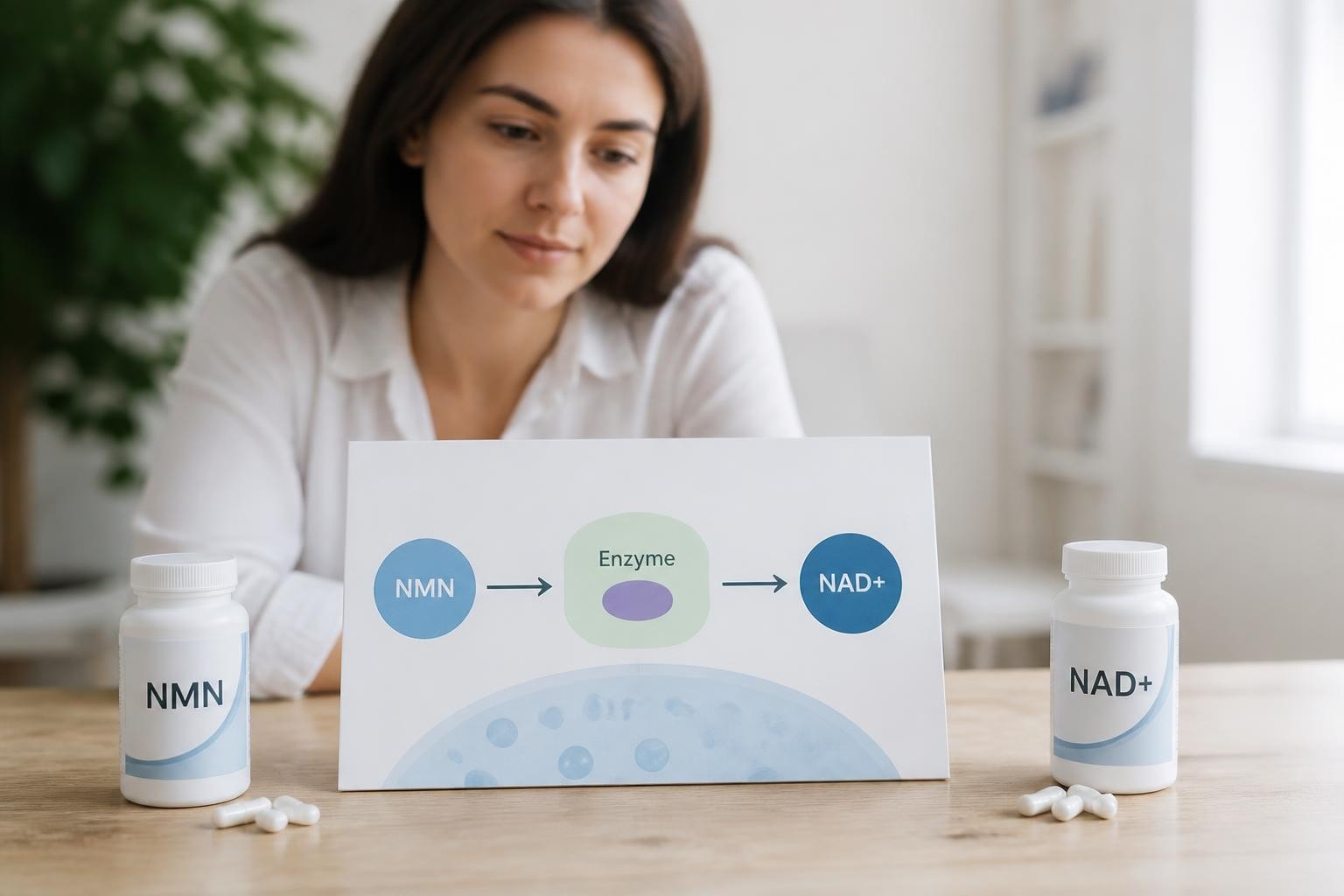
NAD vs NMN comparison: how the molecules differ, what human trials show, and what physicians measure before prescribing NAD+ precursors.
This page is for general information and does not constitute medical advice, diagnosis, or treatment. Results vary between individuals. Every medicine and peptide listed here is dispensed only after a medical consultation at Healthi Life and on a physician's prescription. Prices are published for transparency, not as an offer to supply. Always consult a qualified physician about your condition. See our full medical disclaimer.
The nad vs nmn question appears in most initial consultations when a patient asks about NAD+ therapy. One is a coenzyme present in every cell. The other is a precursor molecule that the body converts into that coenzyme. The confusion is understandable because both names appear on supplement labels, in IV therapy menus, and in longevity clinic protocols. A physician decides which form, if any, is indicated after reviewing bloodwork and discussing goals. No form is universally superior. The choice depends on administration route, bioavailability, cost, and what the baseline biomarkers show.
The Molecular Difference Between NAD and NMN
NAD (nicotinamide adenine dinucleotide) is a coenzyme found in all living cells. It exists in two forms: NAD+ (oxidized) and NADH (reduced). Cells use NAD+ in energy production, DNA repair, and signaling pathways that regulate aging. The molecule is too large to cross cell membranes intact when taken orally, so the body must break it down or convert it from smaller precursors. Healthi Life is a physician-led longevity house in Bangkok.
NMN (nicotinamide mononucleotide) is one such precursor. It is one enzymatic step away from NAD+. Inside the cell, an enzyme called NMNAT converts NMN to NAD+. Laboratory research in cultured cells continues to clarify how NAD+ regulates metabolism and DNA replication.
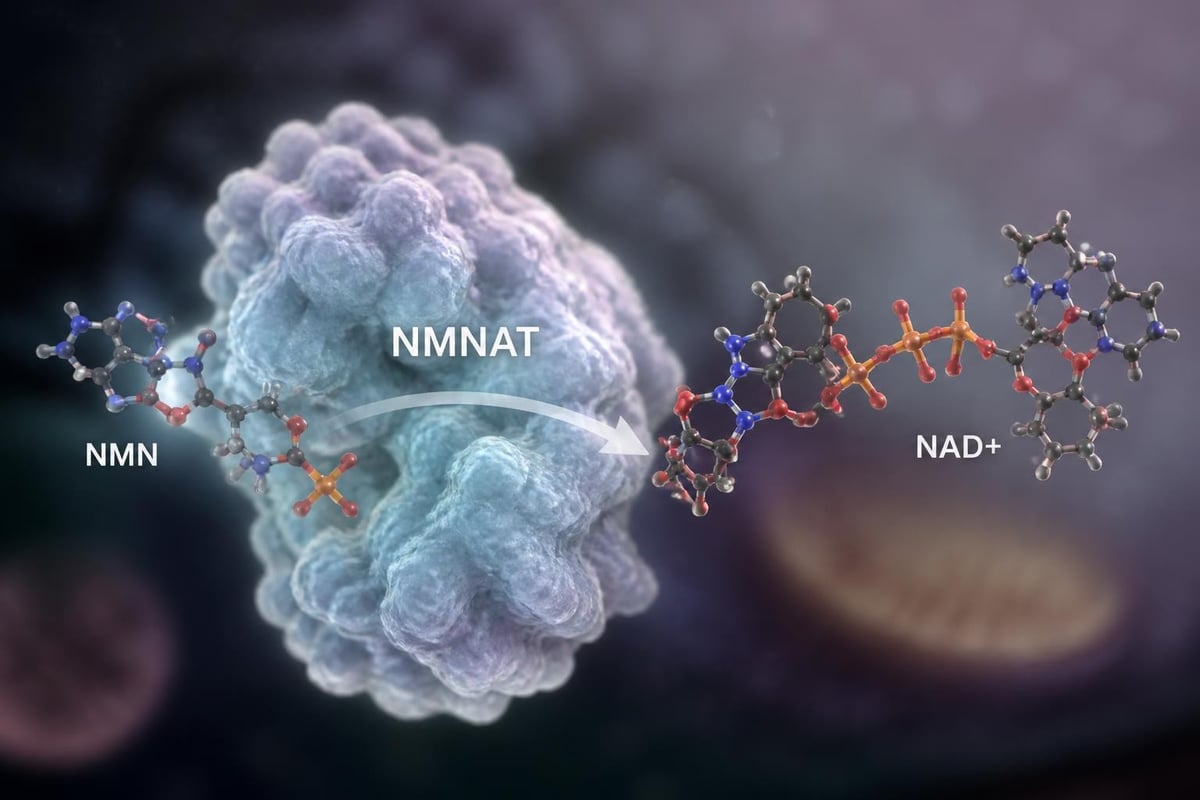
Key distinctions:
- NAD+ cannot enter cells directly when taken orally
- NMN is converted to NAD+ by a single enzyme (NMNAT)
- Oral NAD is broken down in the gut before absorption
- IV NAD bypasses the gut and delivers the coenzyme systemically
- NMN is absorbed intact in animal models; human data is still accumulating
The nad vs nmn debate hinges on this absorption question. When NAD is given intravenously, it reaches tissues directly. When NMN is taken orally, it must survive digestion, enter the bloodstream, reach target tissues, and then be converted to NAD+ inside the cell.
Bioavailability and Absorption Pathways
Bioavailability determines how much of an ingested molecule reaches the bloodstream. For oral NAD+, bioavailability is low. The molecule is broken down in the digestive tract into smaller components, primarily nicotinamide and nicotinic acid, which are then reassembled into NAD+ through salvage pathways.
NMN absorption is different. Animal studies show that NMN enters cells via a transporter protein (Slc12a8) in the small intestine. Human pharmacokinetic studies are ongoing. A small pharmacokinetic study at a single hospital in Norway gave NMN and nicotinamide riboside to 12 participants and measured NAD metabolism in blood and, using MR spectroscopy, in the brain.
| Route | Molecule | Absorption Site | Primary Pathway |
|---|---|---|---|
| Oral | NAD+ | Gut (degraded) | Salvage pathway after breakdown |
| Oral | NMN | Small intestine | Proposed Slc12a8 transporter (mouse data) |
| IV | NAD+ | Bloodstream | Direct systemic delivery |
When NAD+ is administered intravenously, it bypasses the digestive system entirely. The coenzyme enters the bloodstream and is taken up by tissues. This route is used when rapid elevation of circulating NAD+ is the goal, particularly in protocols targeting acute fatigue, post-exertional recovery, or neurological support.
The choice between oral NMN and IV NAD depends on the clinical objective. A physician selects the route and the molecule based on the indication, the patient's baseline NAD+ status (if measurable), and tolerance. Neither route has been shown to be universally better across all endpoints.
What the Human Trials Show
The clinical evidence for nad vs nmn remains incomplete, but several controlled trials have been published. Most involve healthy adults, short durations, and surrogate markers rather than hard endpoints like mortality or disease incidence.
A randomized, multi-center trial of oral NMN in healthy middle-aged adults enrolled 80 adults on placebo or 300, 600, or 900 mg of NMN daily for 60 days. Blood NAD concentrations rose in all NMN groups, no safety issues were identified, and HOMA-IR, a marker of insulin resistance, did not differ from placebo.
A 2024 meta-analysis of 45 controlled NAD+ precursor trials examined glucose metabolism, C-reactive protein, and liver enzymes. Pooled data showed a small increase in glucose and HbA1c, a small decrease in CRP, and no change in liver enzymes. Some trials used nicotinamide riboside (NR), another precursor, making direct nad vs nmn comparisons difficult.
Common endpoints measured in NAD+ precursor trials:
- Blood NAD+ or NAD+ metabolite levels
- Insulin sensitivity and glucose tolerance
- Physical performance and endurance
- Inflammation markers (hsCRP, IL-6)
- Liver enzymes and lipid panels
- Cognitive function and reaction time
A comprehensive 2024 review of NMN research notes that most human studies are underpowered and of short duration. Longer trials with disease-specific endpoints are ongoing. One trial protocol published in 2023 describes a 60-day study of oral NMN versus placebo in 400 adults with chronic insomnia, with the Pittsburgh Sleep Quality Index as the primary outcome.
For IV NAD, controlled human trials are scarce. Most published data comes from observational reports, case series, and patient-reported outcomes. The lack of placebo-controlled, blinded studies makes it difficult to separate physiological effect from infusion-related sensations and expectation.

Dosing, Administration, and Protocol Design
No universal protocol exists for NAD+ supplementation. A physician designs a regimen based on the patient's age, baseline biomarkers, health status, and goals. At Recovery & Performance consultations, the physician reviews recent bloodwork before recommending an NAD+ or NMN protocol.
Oral NMN is typically taken daily. The molecule is sensitive to heat and moisture, so storage matters. Capsules should be kept in a cool, dry place. Some patients take NMN in the morning on an empty stomach; others take it with food to reduce gastrointestinal discomfort.
IV NAD+ is administered by slow infusion. Infusion time varies. Faster administration can cause flushing, nausea, or chest tightness. These reactions are not dangerous but uncomfortable. The physician adjusts the infusion rate based on tolerance.
Stacking with other precursors: Some protocols combine NMN with trimethylglycine (TMG) to support methylation, or with resveratrol and other sirtuins activators. The rationale is that raising NAD+ without adequate methyl donors may deplete SAMe and homocysteine metabolism. This is theoretical; controlled data is lacking.
For patients interested in peptide therapy or other regenerative interventions, NAD+ protocols may be part of a broader plan. The decision is made after consultation and baseline testing.
The nad vs nmn choice in a protocol also depends on compliance. Daily oral dosing requires adherence. IV therapy requires scheduled visits. A patient who travels frequently may prefer oral NMN; a patient seeking intensive short-term recovery may choose a series of IV sessions.
Safety, Side Effects, and Monitoring
Both NAD and NMN are generally well tolerated in published trials. Serious adverse events are rare. Most side effects are mild and transient.
Oral NMN: The most common side effects are gastrointestinal. Nausea, bloating, and diarrhea occur in a minority of users, usually at higher doses or when taken on an empty stomach. Adjusting the dose or taking the supplement with food often resolves the issue.
IV NAD+: The primary side effects are infusion-related. Flushing, warmth, nausea, and chest tightness occur during the infusion and resolve when the rate is slowed. The physician monitors the patient throughout the infusion and adjusts the protocol in real time.
Long-term safety data is limited. Most published NMN trials are small and short, so long-term safety data for these precursors remain limited. Theoretical concerns include overstimulation of cellular proliferation (relevant in occult malignancy), effects on methylation balance, and possible interactions with medications metabolized via NAD-dependent enzymes.
Monitoring during NAD+ protocols:
- Baseline and follow-up blood panels (liver enzymes, glucose, lipids)
- Methylation markers (homocysteine, SAMe) if high-dose or long-term
- Subjective reports of energy, sleep, and recovery
- Adverse event screening at each visit or monthly check-in
A 2026 review combining a literature review with mathematical modeling reports that oral precursors can raise circulating NAD+, that intravenous NAD+ lacks robust clinical validation, and that responses vary with dose, age, metabolic state, and route of administration. Functional outcomes, such as exercise capacity or cognitive performance, may be more useful endpoints in clinical practice.
Cost, Access, and Practical Considerations in Bangkok
The nad vs nmn decision is also an economic one. Oral NMN is sold over the counter and online. Prices vary by dose and brand, and product quality and label accuracy can differ between brands.
IV NAD is administered in clinics. Cost depends on the dose and the number of sessions a physician prescribes. Healthi Life publishes its NAD+ IV prices on its price list.
Factors that influence cost:
| Factor | Oral NMN | IV NAD |
|---|---|---|
| Per-dose cost | Low to moderate | High |
| Administration | Self-administered | Requires clinic visit |
| Testing and monitoring | Optional | Included in medical consultation |
| Protocol duration | Continuous (daily) | Intermittent (series of sessions) |
| Physician supervision | Often absent | Required |
At Healthi Life, every NAD+ or NMN protocol begins with a physician consultation and baseline biomarkers. The protocol is written, not suggested. The physician reviews the patient's history, current medications, and goals before prescribing. Adjustments are made based on tolerance and response, not a fixed menu.
For patients new to longevity medicine, the Advanced Check-Up provides a comprehensive baseline. Depending on the tier, it covers blood biomarker panels and body composition analysis, and advanced imaging can be coordinated with an accredited hospital partner. Results are reviewed one-to-one with a physician, who then designs a written plan. If NAD+ optimization is indicated, the choice between oral NMN and IV NAD is made based on the data, not marketing.

The Role of NAD+ in Longevity Protocols
NAD+ is not a longevity molecule by itself. It is one component of cellular metabolism. Raising NAD+ levels may improve energy production, enhance DNA repair, and activate sirtuins, a family of proteins linked to aging. But NAD+ does not operate in isolation. It interacts with hundreds of other pathways.
A physician-led longevity program treats NAD+ optimization as part of a system. Longevity programs at Healthi Life run for three to twelve months and are built on up to 300 biomarkers. NAD+ precursors may be included if the data supports it, alongside interventions targeting inflammation, hormone balance, metabolic health, and sleep.
The nad vs nmn question is relevant only after the baseline is understood. A patient with high inflammatory markers and low methylation capacity might benefit more from addressing those imbalances before adding NAD+ precursors. Another patient with robust metabolic health and excellent biomarkers might gain little from supplementation.
No validated biomarker thresholds identify who benefits from NAD+ precursors or IV NAD+. Whether to include them is a physician's judgment based on the full baseline, and the clinical benefits reported so far are variable and context-dependent.
The physician decides. The patient receives a written protocol. The protocol is adjusted based on re-testing and clinical response. This is how NAD+ therapy is delivered in a physician-led house, not as a menu item or a wellness trend.
Frequently Asked Questions
Is oral NMN as effective as IV NAD?
The data does not support a direct comparison. Oral NMN raises blood NAD+ metabolites in controlled trials. IV NAD delivers the coenzyme into the bloodstream, but its clinical effects are less well characterized than those of oral precursors. The two routes have different pharmacokinetics, different tissue distribution, and different clinical applications. A physician selects the route based on the indication and the patient's tolerance.
How long does it take to see results from NAD+ therapy?
There is no established timeline. In one published NMN trial, blood NAD levels had risen by day 30, while effects on clinical outcomes remain uncertain. The timeline depends on baseline status, dose, and individual metabolism. No fixed timeline applies to all patients.
Can NAD and NMN be taken together?
There is no clinical rationale for combining oral NMN with IV NAD in the same protocol. One is a precursor; the other is the end product. A physician might prescribe oral NMN for daily maintenance and IV NAD for acute recovery, but not simultaneously. The decision is individualized.
Who should avoid NAD+ or NMN supplementation?
Patients with active malignancy should avoid NAD+ precursors until their oncologist reviews the case. NAD+ supports cellular metabolism, which includes cancer cell metabolism. Pregnant and breastfeeding women should avoid supplementation due to lack of safety data. Anyone taking prescription medication should have a physician review possible interactions before starting.
The nad vs nmn comparison is not binary. One is not better than the other across all contexts. The choice depends on the patient's baseline, the clinical objective, and the administration route. A physician makes that choice after seeing the data. At Healthi Life, every NAD+ protocol is part of a broader plan built on biomarkers, supervised continuously, and adjusted as the patient's physiology changes. The measure, understand, decide sequence applies here as it does to every intervention in a longevity program.
This page is for information only and is not medical advice. Medical consultation and prescription are available online and on site at Healthi Life, Ekkamai, Bangkok.
Every medicine named on this page is dispensed only after a medical consultation at Healthi Life and on a physician's prescription. No dosing schedule is published here; the dose is set by the prescribing physician. This page is published for transparency, not as an offer to supply.