
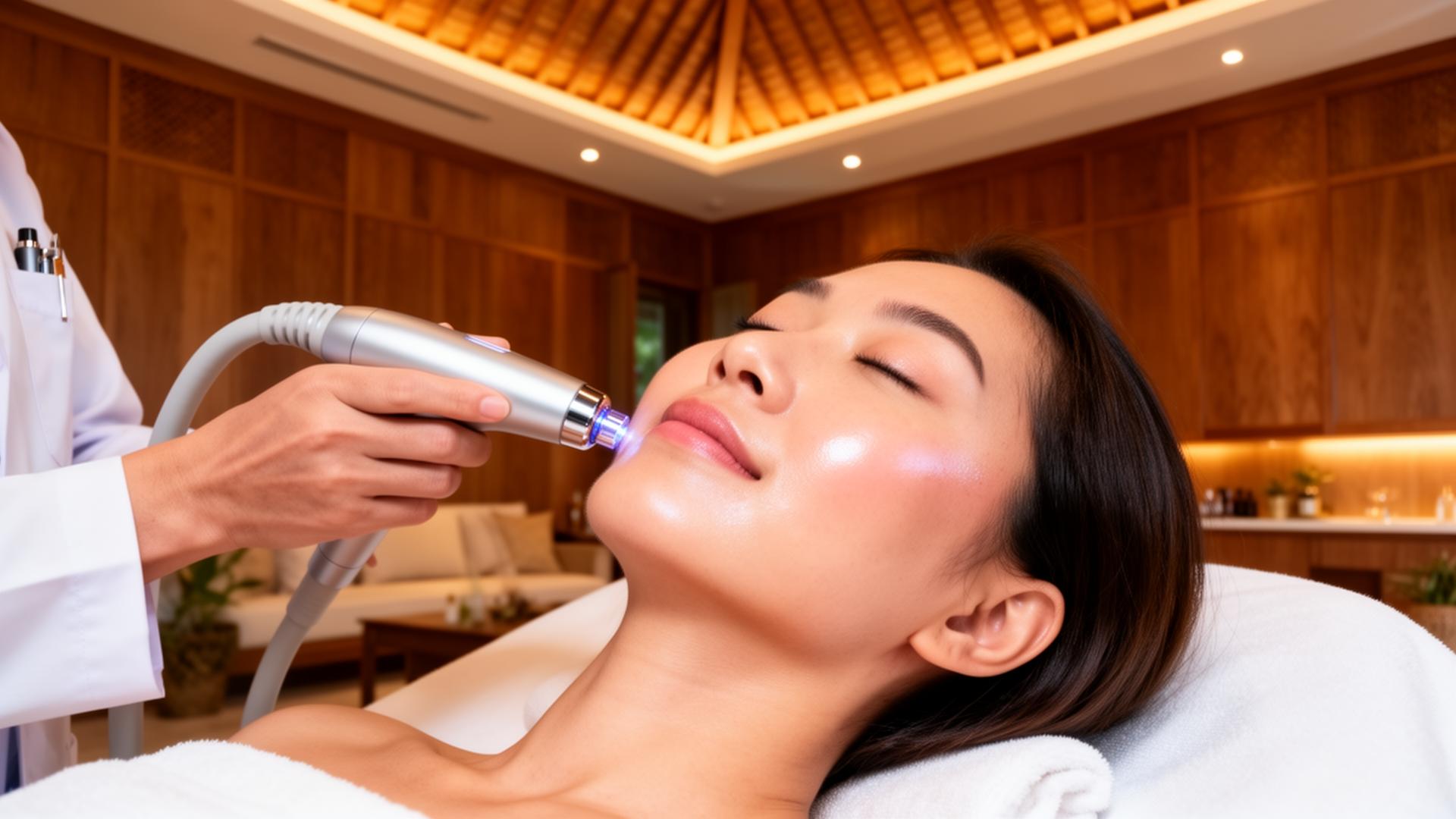
Key Takeaways
- Pico laser uses picosecond pulses to shatter pigment mechanically, with less heat than older nanosecond lasers.
- It is studied for pigmentation, sun damage, uneven tone, acne marks, enlarged pores and skin texture.
- Most concerns respond over a spaced course of sessions, not a single visit; the number is set after assessment.
- Downtime is typically low — mild redness that settles in hours to a day or two for most guests.
- Suitability across skin tones, including Asian skin, depends on physician-selected settings — never assumed.
- At Healthi Life, pico laser is ฿5,000 per session and begins with a physician skin assessment.
What Is Pico Laser?
Pico laser is a class of aesthetic laser named for the picosecond — one trillionth of a second — the timescale of the pulses it fires. That speed is the whole point. Where earlier lasers delivered energy in nanoseconds and relied heavily on heat, a picosecond pulse acts primarily through a photomechanical effect: it breaks pigment apart faster than the surrounding tissue can heat up. The result is targeted clearance with a lower thermal burden on the skin around it.
In practice, physicians use pico laser for pigmentation and sun damage, uneven tone, post-acne marks, enlarged pores, tattoo removal and general skin texture and radiance. It is a device, not a single fixed protocol — wavelength, spot size and intensity are chosen for the concern and the skin in front of the physician. That is why an honest guide starts with the assessment, not the machine.
How Does Pico Laser Work?
Pigment — whether from sun exposure, melasma-type discoloration or a tattoo — sits in the skin as particles too large for the body to clear on its own. A picosecond pulse hits those particles with energy so brief and concentrated that they shatter into fine dust. Your lymphatic system then carries that dust away over the following days and weeks. Because the pulse is over almost instantly, far less heat spreads into neighbouring skin than with older platforms.
There is a second mechanism. The same rapid pulses create a controlled micro-response in the deeper layers of the skin that is clinically associated with collagen and elastin activity. Over a course of sessions, that is what may support smoother texture, refined pores and a more even surface — separate from the pigment clearing. Neither effect is instant, and neither is guaranteed; both develop gradually and vary between individuals.
Pico laser is commonly studied for:
- Pigmentation & sun damage — freckling, age spots and uneven tone from cumulative UV exposure
- Post-acne marks — residual discoloration left after breakouts settle
- Texture & pores — surface roughness and enlarged pores, addressed over a series
- Dullness — overall radiance and evenness as pigment clears
- Tattoo removal — fragmenting ink particles for gradual clearance
How Many Pico Laser Sessions Do You Need?
This is the question guests ask first, and the honest answer is: it depends on the concern and the skin. Pigmentation and tone typically respond to a spaced course — several sessions set weeks apart — rather than a single dramatic visit, because the body clears shattered pigment gradually between appointments. Textural and pore goals are usually planned as a longer series so the collagen response has time to build.
What matters more than a headline number is the plan behind it. A physician assessment establishes your skin type, your history and what is realistic before any session is booked. At Healthi Life, both single sessions and structured correction series are available, so the schedule follows the concern instead of forcing it into a fixed package.
Pico Laser Downtime & What to Expect
Pico laser is generally regarded as a low-downtime treatment — one reason it fits demanding schedules. Most guests notice mild redness or a warm, flushed feeling immediately afterwards that settles within hours to a day or two. Many return to normal activity, including work, the same day. Higher-intensity settings, or work on stubborn pigment, can produce more visible temporary marks that flake off as the pigment clears.
Aftercare is straightforward but not optional: diligent sun protection is essential, because freshly treated skin is more reactive to UV, and Bangkok's sun is unforgiving. Your physician will set specific aftercare and spacing at the consultation. What pico laser is not is a heat-heavy ablative resurfacing — the trade-off for its gentleness is that results build over a course rather than in one aggressive session.
Pico Laser vs Other Lasers & IPL
Pico laser is one tool among several, and it is not automatically the right one. The table below compares it with the platforms guests most often ask about, at a glance:
| Technology | How it works | Best suited for | Relative downtime |
|---|---|---|---|
| Pico laser (picosecond) | Ultra-short pulses shatter pigment mechanically with minimal heat | Pigmentation, tone, texture, pores, tattoo removal | Low — hours to a day or two for most guests |
| Q-switched laser (nanosecond) | Longer pulses relying more on heat to break pigment | Pigment and tattoos; often more sessions for fine clearance | Low to moderate, depending on settings |
| IPL (intense pulsed light) | Broad-spectrum light, not a true laser; heat-based | Superficial redness and light sun spots on suitable skin | Low, but caution on darker skin tones |
| Fractional resurfacing | Ablative or non-ablative heat creating deeper micro-injury | Deeper texture, scarring and stronger resurfacing | Higher — several days of visible recovery |
General comparison only. Device choice and suitability are confirmed after a physician skin assessment.
The practical takeaway: pico laser's short pulse and lower heat load make it a frequent choice for pigmentation and tone across a range of skin tones — including Asian and darker skin — when settings are matched carefully. IPL is light-based rather than a true laser and is used more cautiously on deeper tones. Fractional resurfacing does heavier textural work but asks for real downtime. None of these is a default; the right answer comes from the concern and the skin.
Pico Laser for Men: Executive Skin Health
Skin health is not a women's-only category, and pico laser has a clear place in it for men. Years of sun exposure, travel and executive stress show up as uneven tone, sun spots and rough texture long before anyone calls it a concern. For a guest who wants to look as sharp as he operates — without heat-heavy resurfacing or visible recovery before a boardroom — a low-downtime, physician-planned pico course fits the schedule and the goal. The framing is the same for everyone: this is medical skin optimization, not a cosmetic add-on.
For women, pico laser is frequently considered for melasma-type pigmentation, post-acne marks and radiance, where a carefully staged course accounts for hormonal and pigment sensitivity. In both cases the through-line holds: assessment first, then a plan matched to the skin.
Proactive Skin Health at Healthi Life
Healthi Life is a physician-led longevity house in Ekkamai, Bangkok, where aesthetic skin work sits inside a broader picture of how you age. Pico laser is delivered under Recovery & Performance Medicine, and every plan begins with a physician skin assessment rather than a fixed menu — the concern sets the protocol, not the other way round.
To see full session and series options, visit our pico laser treatment page, where pricing is ฿5,000 per session. Skin rarely acts alone — pigmentation, texture and radiance often reflect deeper factors — which is why pico laser is frequently coordinated with other regenerative and skin protocols when clinically appropriate.
This page is for general information and does not constitute medical advice, diagnosis, or treatment. Results vary between individuals. Every medicine and peptide listed here is dispensed only after a medical consultation at Healthi Life and on a physician's prescription. Prices are published for transparency, not as an offer to supply. Always consult a qualified physician about your condition. See our full medical disclaimer.
Where to Start
If you are weighing pico laser, the first step is not booking a session — it is understanding your skin. Pigmentation, texture and tone each behave differently, and the plan that clears one can be wrong for another. A physician assessment turns a general interest into a specific, staged strategy with realistic expectations. To explore whether pico laser fits your skin, book a consultation with Healthi Life's medical team.
All programs begin with physician assessment. No protocol is prescribed without context. Precision interventions. Long-term strategies. No shortcuts.
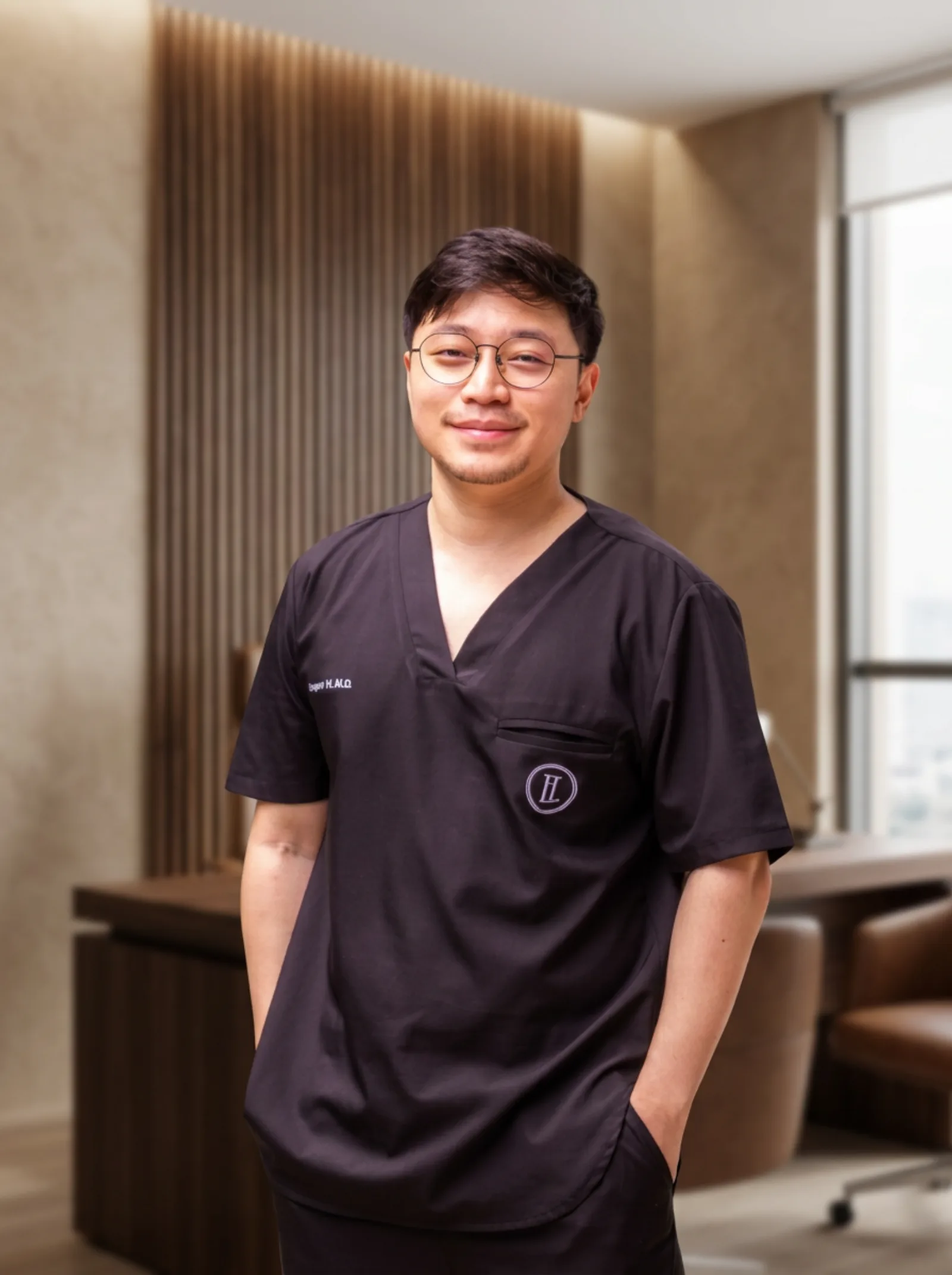
Dr. Napat Hunsajarupan (Dr. First)
Verified PhysicianCo-Founder & Chief Medical Officer
Dermatologist & Peptides Specialist
Dr. Napat Hunsajarupan (Dr. First) is Co-Founder & Chief Medical Officer at Healthi Life, a Dermatologist and Peptides Specialist. He leads Recovery & Performance medicine — IV/NAD+, peptides, cellular therapy and skin regeneration.