
Advanced Health Clinic Guide: Longevity & Optimization

Discover how an advanced health clinic delivers personalized longevity programs through biomarker analysis, cutting-edge treatments, and physician oversight.
The healthcare landscape has evolved dramatically over the past decade, shifting from reactive sick care to proactive health optimization. An advanced health clinic represents this paradigm shift, offering comprehensive diagnostic services, personalized treatment protocols, and ongoing medical supervision designed to extend healthspan and improve quality of life. Unlike traditional medical facilities that focus primarily on treating disease, these specialized centers combine cutting-edge technology with evidence-based medicine to help patients achieve optimal health and longevity. Understanding what sets an advanced health clinic apart and how to leverage these services can transform your approach to wellness and aging.
The Foundation of Modern Longevity Medicine
Advanced health clinic operations rest on three core pillars: comprehensive diagnostics, personalized interventions, and continuous monitoring. The diagnostic process extends far beyond standard annual checkups, incorporating detailed biomarker analysis that can reveal subtle imbalances before they manifest as disease.
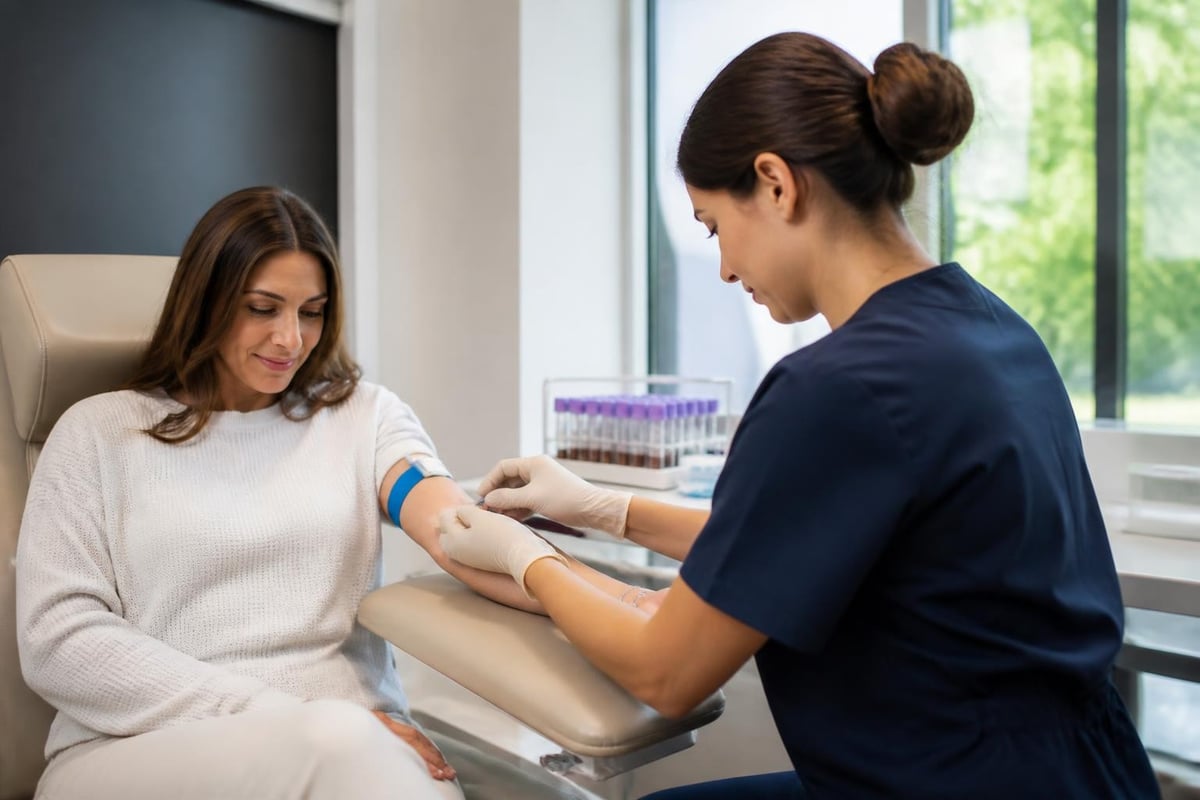
Comprehensive biomarker testing typically examines 100 to 300 different markers across multiple body systems. This depth of analysis provides physicians with a complete picture of metabolic health, hormonal balance, inflammatory status, and cellular function. The data collected serves as both a baseline for measuring progress and a roadmap for designing targeted interventions.
Modern diagnostic capabilities include:
- Advanced lipid panels examining particle size and oxidation
- Comprehensive hormone profiles including sex hormones and thyroid function
- Inflammatory markers such as high-sensitivity CRP and homocysteine
- Metabolic indicators including insulin resistance and glucose variability
- Nutrient status assessments for vitamins, minerals, and amino acids
- Genetic testing for personalized treatment optimization
The integration of these diagnostic tools allows practitioners to identify risk factors years or even decades before conventional medicine would detect problems. This proactive approach, supported by research from clinical research networks studying community-based health care outcomes, enables early intervention when treatments are most effective.
Physician-Led Care and Medical Supervision
The distinguishing feature of an advanced health clinic is the emphasis on physician leadership throughout the patient journey. Unlike wellness centers staffed primarily by health coaches or aestheticians, these facilities ensure that medical doctors oversee every aspect of care, from initial assessment through ongoing program adjustments.
Why Medical Oversight Matters
Physician supervision provides critical safeguards when implementing complex treatment protocols. Longevity medicine often involves interventions that affect multiple body systems simultaneously, requiring expertise to balance benefits against potential risks. Doctors trained in functional and regenerative medicine understand the intricate relationships between hormones, metabolism, immune function, and aging processes.
Medical oversight becomes particularly important when managing chronic conditions alongside optimization goals. The integration of advance care planning into existing clinical workflows demonstrates how comprehensive medical management improves outcomes for patients with complex health needs.
| Physician-Led Model | Traditional Wellness Center |
|---|---|
| Medical doctor oversight for all protocols | Health coaches providing general guidance |
| Prescription therapies available when indicated | Primarily supplement recommendations |
| Ability to diagnose and treat medical conditions | Referral required for medical issues |
| Integration with hospital systems if needed | Limited medical facility connections |
| Insurance billing options for covered services | Typically all out-of-pocket expenses |
The physician-led approach ensures that treatments like peptide therapy or stem cell interventions are administered with appropriate medical justification, proper dosing, and careful monitoring for side effects.
Technology Integration and Data-Driven Care
An advanced health clinic leverages technology to enhance both diagnostic precision and treatment effectiveness. The digital transformation of healthcare enables practitioners to make more informed decisions and patients to engage more actively in their health management.
Electronic Health Records and AI Enhancement
Modern clinic operations rely on sophisticated electronic health record systems that organize patient data, track biomarker trends over time, and flag concerning patterns. Recent studies exploring the augmentation of electronic health records with wearable data show how integrating continuous monitoring devices provides richer health insights than periodic testing alone.
Wearable technology integration allows clinics to monitor:
- Continuous glucose levels revealing metabolic patterns
- Heart rate variability indicating autonomic nervous system balance
- Sleep architecture and recovery quality
- Activity levels and movement patterns
- Stress markers through physiological measurements
This continuous data stream complements periodic biomarker testing, creating a comprehensive health profile that guides treatment optimization. The application of deep learning techniques for electronic health record analysis further enhances pattern recognition, potentially identifying health trends before they become apparent through conventional analysis.
Operational Excellence Through Systems
Behind the scenes, an advanced health clinic implements robust operational systems to ensure quality and consistency. Best practices for maximizing system efficiency and data integrity in medical settings include standardized protocols for specimen handling, quality control measures for laboratory testing, and systematic approaches to patient follow-up.
Efficient scheduling systems ensure patients receive timely appointments and appropriate time allocation for comprehensive consultations. Unlike rushed primary care visits, longevity medicine appointments typically allocate 45 to 90 minutes for initial consultations and 30 to 45 minutes for follow-ups, allowing thorough discussion of test results and treatment options.
Comprehensive Treatment Modalities
The treatment arsenal available at an advanced health clinic extends well beyond conventional pharmaceuticals. A truly comprehensive facility offers multiple therapeutic modalities that can be combined to address individual patient needs.
Regenerative Medicine Approaches
Regenerative therapies represent some of the most innovative treatments available in longevity medicine. These approaches harness the body's natural healing mechanisms to repair damaged tissues and restore optimal function.
Stem cell therapy uses mesenchymal stem cells to promote tissue regeneration, reduce inflammation, and support cellular repair processes. Applications range from chronic pain management to aesthetic treatments like stem cell facial rejuvenation.
Exosome therapy delivers the signaling molecules that stem cells use to communicate, providing regenerative benefits without transplanting actual cells. This approach shows promise for everything from hair restoration to systemic anti-aging effects through exosome IV therapy.
Peptide therapy utilizes short chains of amino acids that signal specific biological processes. Different peptides can promote tissue repair, enhance cognitive function, improve sleep quality, or support immune health. Understanding how peptides support recovery and sleep optimization helps patients appreciate their diverse applications in longevity medicine.
Metabolic and Hormonal Optimization
Hormonal balance profoundly affects energy levels, body composition, cognitive function, and overall vitality. An advanced health clinic addresses hormonal optimization through evidence-based protocols tailored to individual needs.
Testosterone replacement therapy for men experiencing age-related decline follows specific protocols to restore optimal levels while monitoring for side effects. Those exploring this option should review comprehensive guides to TRT implementation to understand the testing, dosing, and monitoring involved.
For metabolic optimization, newer approaches include GLP-1 agonist therapy for weight management and metabolic health improvement. These medications, originally developed for diabetes management, show remarkable benefits for weight loss and cardiovascular health when used appropriately under medical supervision.
Intravenous Nutrient Therapy
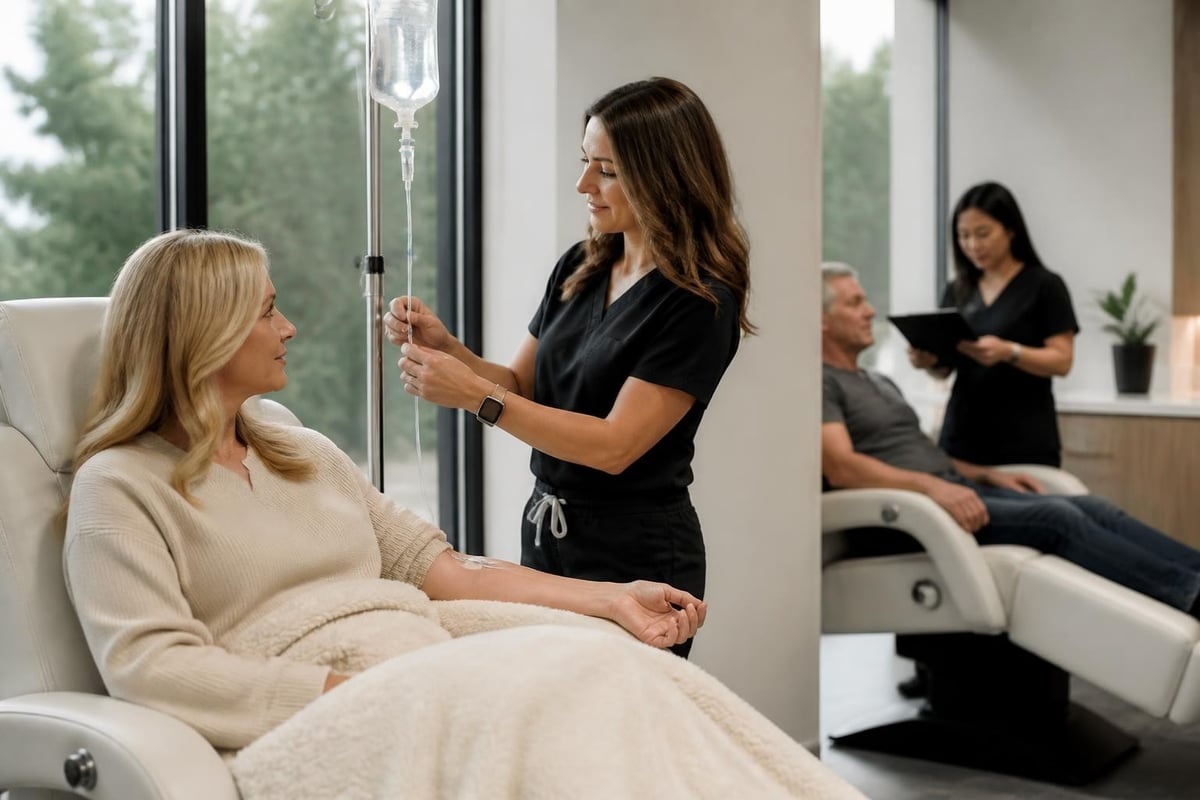
IV nutrient administration bypasses digestive absorption limitations, delivering vitamins, minerals, and other compounds directly into the bloodstream for maximum bioavailability. NAD+ IV therapy has gained particular attention for its potential to support cellular energy production and DNA repair processes.
Different formulations target specific health goals:
- Brain boosters containing B vitamins, amino acids, and nootropic compounds
- Immune support with high-dose vitamin C and zinc
- Athletic recovery featuring amino acids and anti-inflammatory agents
- Detoxification support using glutathione and other antioxidants
Understanding the differences between various IV therapies helps patients select appropriate treatments for their objectives.
The Longevity Program Structure
Rather than offering isolated treatments, an advanced health clinic typically organizes services into comprehensive longevity programs spanning 3 to 12 months. This extended timeframe allows for iterative testing, treatment adjustments, and meaningful health improvements.
Initial Assessment Phase
The program begins with extensive baseline testing and a detailed medical consultation. Physicians review medical history, current symptoms, health goals, and lifestyle factors to create a complete health profile. Initial biomarker panels establish baselines across hundreds of health indicators.
This assessment phase typically includes:
- Comprehensive blood testing for 150-300 biomarkers
- Body composition analysis using advanced imaging
- Cardiovascular health assessment including arterial stiffness
- Metabolic function testing such as insulin sensitivity
- Optional genetic testing for personalized medicine applications
Treatment Implementation
Following the initial assessment, the medical team designs a personalized protocol incorporating appropriate treatments. This might include nutritional optimization, targeted supplementation, hormone balancing, regenerative therapies, and lifestyle modifications.
The implementation phase emphasizes:
- Gradual introduction of new interventions to monitor individual responses
- Combination approaches that address multiple systems simultaneously
- Education to help patients understand the rationale behind recommendations
- Flexibility to adjust protocols based on patient feedback and tolerance
Ongoing Monitoring and Optimization
The hallmark of an advanced health clinic program is continuous medical supervision and regular reassessment. Patients typically undergo follow-up testing every 3 to 4 months to track biomarker changes and evaluate treatment effectiveness.
| Timeline | Activities | Testing |
|---|---|---|
| Month 1 | Initial assessment, protocol design, treatment start | Comprehensive baseline panel |
| Month 3 | First reassessment, protocol adjustments | Targeted biomarker follow-up |
| Month 6 | Mid-program evaluation, treatment optimization | Comprehensive retest |
| Month 9 | Continued monitoring, goal assessment | Targeted biomarker follow-up |
| Month 12 | Program completion, long-term planning | Comprehensive final assessment |
This iterative approach allows physicians to fine-tune treatments based on objective data rather than relying solely on subjective symptoms. The systematic monitoring ensures that interventions produce desired effects without causing unintended consequences.

Selecting the Right Advanced Health Clinic
Not all facilities offering longevity services provide the same level of expertise or quality. Evaluating potential clinics requires consideration of multiple factors to ensure you receive safe, effective care.
Physician Qualifications and Experience
Verify that medical doctors, not just wellness practitioners, lead the clinical team. Physicians should hold appropriate medical licenses and preferably have additional training in functional medicine, regenerative medicine, or anti-aging medicine. Experience matters significantly when designing complex protocols that integrate multiple treatment modalities.
Questions to ask include:
- What medical training and certifications do the physicians hold?
- How many years has the clinic been operating?
- What is the physician's specific experience with longevity medicine?
- How does the clinic stay current with emerging research and treatments?
Resources like guides for choosing a longevity clinic provide structured frameworks for evaluation.
Treatment Quality and Safety Standards
Investigate the clinic's protocols for ensuring treatment safety and quality. For regenerative therapies, this includes understanding cell sourcing, processing methods, and quality control measures. Facilities should be transparent about their suppliers and manufacturing standards.
Safety considerations include:
- Sterile processing for all injectable treatments
- Quality certifications for laboratories and suppliers
- Adverse event monitoring and reporting systems
- Clear protocols for managing complications
- Appropriate emergency equipment and training
Comprehensive Service Offerings
While no single clinic needs to offer every possible treatment, a truly advanced health clinic should provide access to multiple therapeutic modalities. This allows physicians to design comprehensive protocols rather than being limited to a narrow range of interventions.
Evaluate whether the facility offers:
- Extensive diagnostic testing capabilities
- Multiple regenerative medicine options
- Hormone optimization programs
- Nutritional and metabolic interventions
- Lifestyle medicine support
- Mental health and stress management resources
The breadth of available services indicates whether a clinic can truly personalize care or simply applies cookie-cutter protocols to all patients.
Real-World Applications and Patient Outcomes
The theoretical benefits of longevity medicine become meaningful only when translated into tangible patient outcomes. An advanced health clinic should track and share success metrics that demonstrate treatment effectiveness.
Performance Optimization
Athletes and high-performing professionals increasingly seek longevity medicine to enhance physical and cognitive capabilities. Biomarker optimization, targeted supplementation, and recovery-focused regenerative treatments can significantly improve performance markers.
Documented improvements include:
- Enhanced VO2 max and cardiovascular endurance
- Improved recovery time between training sessions
- Better sleep quality and duration
- Increased focus and mental clarity
- Optimized body composition with improved lean mass
Biological Age Reduction
One of the most compelling applications of longevity medicine is the potential to reduce biological age relative to chronological age. While aging is inevitable, the rate at which our bodies age is highly variable and influenced by numerous factors that can be optimized.
Understanding biological age through epigenetic testing provides objective measures of how longevity interventions affect aging processes at the cellular level. Some patients achieve biological ages 10 to 15 years younger than their chronological age through comprehensive optimization programs.
Chronic Condition Management
For patients with chronic health conditions, an advanced health clinic offers integrative approaches that complement conventional treatments. The combination of traditional medicine with regenerative therapies, metabolic optimization, and lifestyle interventions often produces better outcomes than either approach alone.
The Future of Advanced Health Clinics
The field of longevity medicine continues evolving rapidly as new research emerges and technologies advance. Several trends are shaping the future of advanced health clinic operations.
Artificial Intelligence Integration
AI applications in healthcare extend beyond electronic health record management to predictive analytics and treatment optimization. Machine learning algorithms can identify patterns in biomarker data that human analysis might miss, potentially enabling earlier detection of health issues and more precise treatment adjustments.
Personalized Medicine Expansion
Genetic testing costs have declined dramatically, making pharmacogenomic analysis accessible for personalized medication selection and dosing. Understanding how individual genetic variations affect drug metabolism, nutrient needs, and disease risk allows for increasingly tailored interventions.
Telemedicine and Remote Monitoring
While hands-on treatments require in-person visits, much of the consultation, education, and monitoring aspects of longevity programs can occur remotely. This hybrid model expands access to specialized care while maintaining the personal connection between physicians and patients.
Research Integration
Forward-thinking clinics participate in clinical research and contribute data to larger studies advancing the field. The integration of real-world observational data from clinical practice helps validate treatments and identify best practices that benefit all patients.
Investment Considerations and Value Assessment
Longevity medicine programs represent a significant financial investment, typically ranging from several thousand to tens of thousands of dollars depending on program length and included treatments. Understanding the value proposition helps patients make informed decisions.
Cost Components
Program fees typically include:
- Comprehensive biomarker testing (initial and follow-up)
- Medical consultations with physicians
- Treatment protocols and medications
- Regenerative therapies when indicated
- Supplements and nutritional support
- Ongoing monitoring and adjustments
Some clinics offer itemized pricing while others provide package programs with inclusive pricing. Understanding exactly what each fee covers prevents unexpected costs.
Return on Investment
While health cannot be reduced to purely financial terms, the investment in longevity medicine often produces returns through:
- Reduced future healthcare costs by preventing disease
- Maintained work productivity and earning capacity
- Enhanced quality of life and functional independence
- Potential extension of healthy years
- Decreased reliance on medications for chronic conditions
The true value lies in the intersection of healthspan extension and quality of life improvement that these programs aim to deliver.
An advanced health clinic represents a fundamental shift in healthcare philosophy, prioritizing optimization and prevention over reactive disease management. By combining comprehensive diagnostics, physician-led care, and cutting-edge treatments, these facilities offer pathways to extended healthspan and improved vitality. If you're ready to take a proactive approach to your health and longevity, Healthi Life provides doctor-led programs in Bangkok with personalized protocols based on up to 300 biomarkers and ongoing medical supervision tailored to your unique health goals.