Anderson Longevity Clinic: A Guide for 2026
Discover what makes Anderson Longevity Clinic unique, plus how modern longevity clinics use biomarkers and personalized medicine to extend healthspan.
The longevity medicine landscape has transformed dramatically over the past few years, with specialized clinics emerging worldwide to address the growing demand for extended healthspan and optimized aging. The anderson longevity clinic represents a model of care that prioritizes comprehensive biomarker analysis, personalized treatment protocols, and sustained medical oversight. As more individuals recognize that traditional healthcare often treats symptoms rather than preventing age-related decline, longevity-focused practices offer a proactive alternative that combines cutting-edge diagnostics with evidence-based interventions to help patients maintain vitality well into their later decades.
Understanding the Longevity Clinic Model
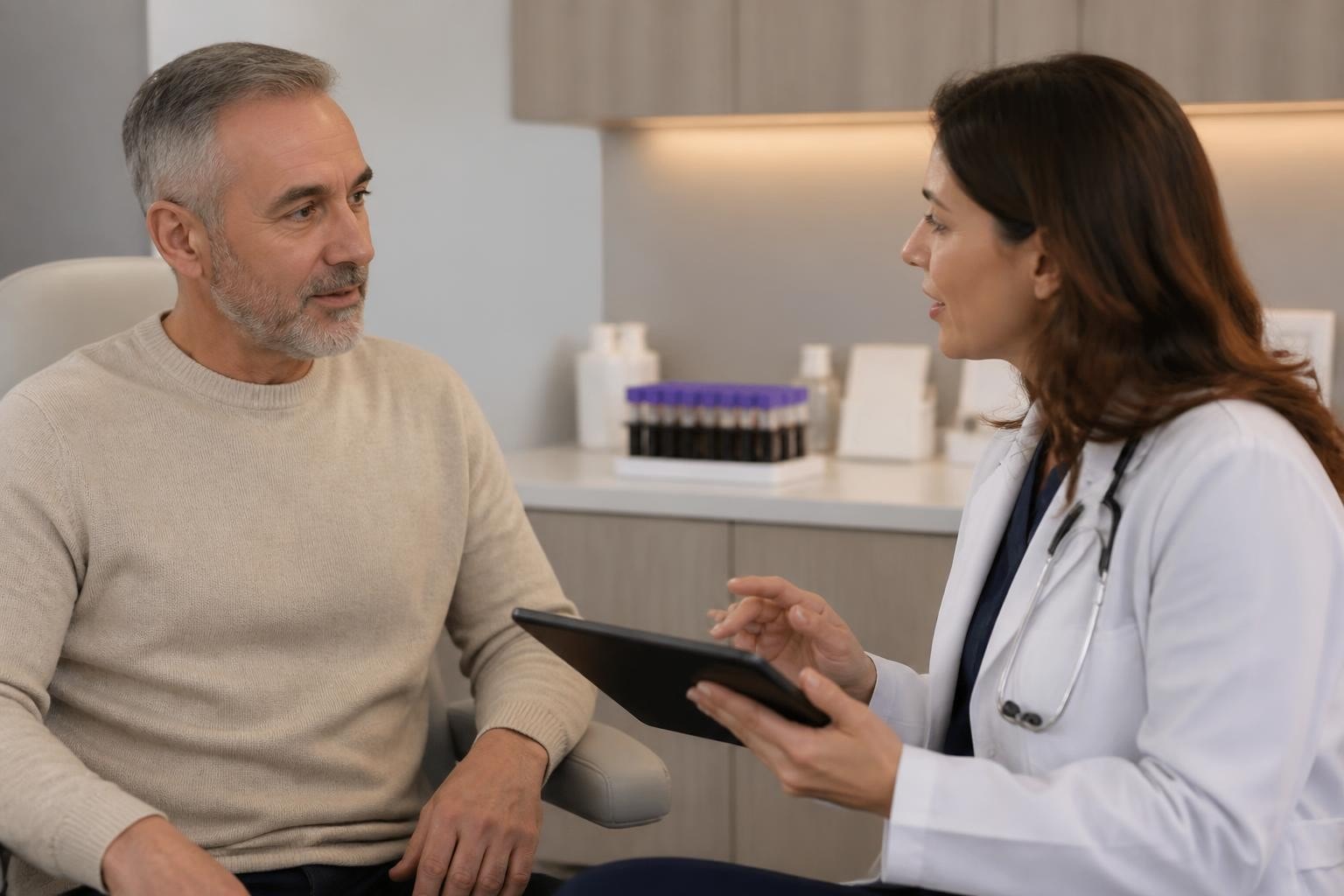
Modern longevity clinics differ fundamentally from conventional medical practices in both philosophy and execution. Rather than waiting for disease to manifest, these specialized facilities focus on identifying and addressing biological markers of aging before they progress to clinical pathology.
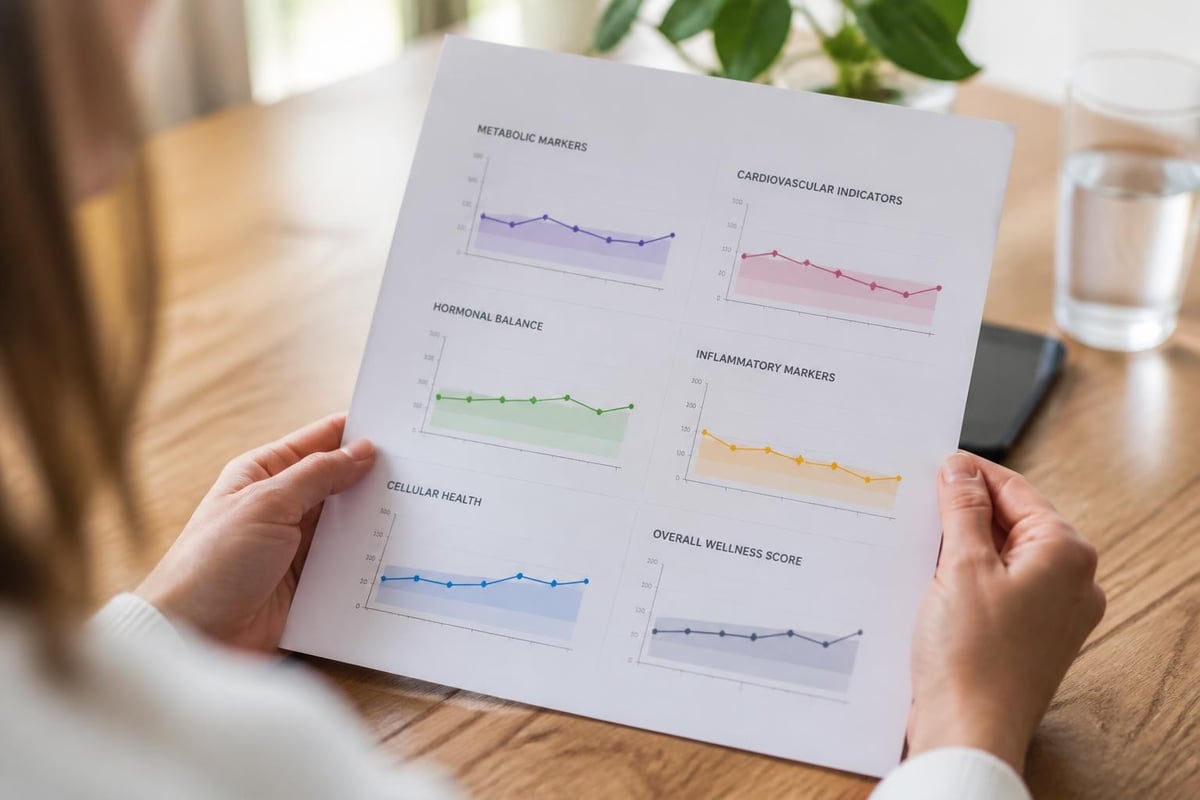
The anderson longevity clinic approach typically begins with extensive diagnostic testing. This foundation allows physicians to establish baseline measurements across multiple physiological systems. Comprehensive panels may examine cardiovascular health, metabolic function, hormonal balance, inflammatory markers, and cellular health indicators.
Core Components of Longevity Medicine
Effective longevity programs integrate several essential elements:
- Extensive biomarker testing to establish individual health profiles
- Personalized treatment protocols based on genetic and metabolic data
- Ongoing medical supervision to adjust interventions as needed
- Lifestyle optimization including nutrition, exercise, and stress management
- Advanced therapeutics such as peptide therapy, hormone optimization, and cellular treatments
What distinguishes facilities like anderson longevity clinic from standard wellness centers is the depth of medical expertise and the commitment to longitudinal care. Recent research on biological age measurement demonstrates that chronological age tells only part of the story, with biological age serving as a more accurate predictor of health outcomes and lifespan potential.
The Science Behind Biomarker-Driven Longevity
The anderson longevity clinic model relies heavily on quantifiable health metrics rather than subjective assessments. Modern facilities may track anywhere from dozens to hundreds of individual biomarkers, creating a detailed picture of physiological function.
| Biomarker Category | Key Measurements | Clinical Significance |
|---|---|---|
| Metabolic Health | Glucose, insulin sensitivity, HbA1c | Predicts diabetes risk, metabolic syndrome |
| Cardiovascular | Lipid panel, ApoB, Lp(a), blood pressure | Assesses heart disease and stroke risk |
| Inflammatory | hs-CRP, IL-6, TNF-alpha | Indicates systemic inflammation levels |
| Hormonal | Testosterone, estrogen, thyroid, cortisol | Affects energy, body composition, cognition |
| Cellular Health | NAD+ levels, telomere length, oxidative stress | Reflects cellular aging and regenerative capacity |
This data-driven approach enables physicians to identify subtle deviations from optimal ranges long before conventional disease markers appear. For example, declining NAD+ levels or rising inflammatory markers may signal accelerated aging processes that respond well to targeted interventions.
Advanced Diagnostic Technologies
Contemporary longevity practices employ sophisticated testing methods beyond standard laboratory panels. Genomic analysis reveals genetic predispositions that influence treatment selection, while epigenetic testing can estimate biological age with remarkable precision.
The anderson longevity clinic methodology often incorporates imaging technologies to assess body composition, vascular health, and organ function. These objective measurements provide concrete data points for tracking progress and adjusting protocols.
Advanced longevity programs in Bangkok exemplify this comprehensive approach, utilizing up to 300 biomarkers to create highly individualized treatment strategies that address each patient's unique physiology.
Personalized Treatment Protocols in Longevity Medicine
Once baseline biomarkers establish a patient's health profile, anderson longevity clinic practitioners develop customized intervention strategies. This personalization represents a significant departure from one-size-fits-all wellness approaches.
Treatment protocols typically combine multiple modalities:
- Nutritional optimization based on metabolic testing and food sensitivity analysis
- Pharmaceutical interventions including metformin, rapamycin, or other longevity-promoting compounds
- Peptide therapies to enhance tissue repair, immune function, and cellular regeneration
- Hormone replacement or optimization to restore youthful levels
- Cellular therapies such as stem cell treatments or exosome therapy
- Lifestyle modifications including exercise prescriptions and stress reduction techniques
Each intervention targets specific biomarkers identified during assessment. For instance, patients with elevated inflammatory markers might receive anti-inflammatory peptides, dietary modifications, and targeted supplementation, while those with declining hormonal function may benefit from peptide therapy protocols designed to support natural hormone production.
The Role of Medical Supervision
Continuous physician oversight distinguishes legitimate longevity programs from commercial wellness offerings. The anderson longevity clinic model emphasizes regular follow-up testing and protocol adjustments based on patient response.
Medical supervision provides several critical advantages:
- Early detection of adverse responses or contraindications
- Timely protocol modifications based on biomarker changes
- Professional guidance through complex treatment combinations
- Access to prescription therapeutics unavailable in non-medical settings
- Coordination with specialists when additional expertise is needed
This ongoing relationship ensures that interventions remain appropriate as patients' physiology evolves. What works optimally at program initiation may require adjustment after three, six, or twelve months as biomarkers improve and health goals shift.

Program Duration and Long-Term Commitment
Effective longevity medicine requires patience and sustained engagement. The anderson longevity clinic approach typically involves multi-month programs rather than quick fixes or isolated treatments.
Three-Month Intensive Programs
Shorter programs provide an introduction to personalized longevity medicine. During this timeframe, patients undergo comprehensive testing, receive initial treatment protocols, and complete at least one round of follow-up biomarker analysis.
These condensed programs work well for:
- Individuals new to longevity medicine seeking to establish baselines
- Patients targeting specific issues like metabolic dysfunction or hormonal imbalances
- Those wanting to evaluate responsiveness before committing to longer engagements
However, three months provides limited time for certain interventions to demonstrate full effects, particularly cellular therapies or deep metabolic reprogramming.
Six to Twelve-Month Comprehensive Programs
Extended programs allow for more substantial physiological changes and thorough protocol optimization. The anderson longevity clinic model often recommends these longer engagements for patients seeking meaningful biological age reversal.
| Program Duration | Testing Frequency | Protocol Adjustments | Typical Outcomes |
|---|---|---|---|
| 3 Months | Baseline + 3-month | 1-2 modifications | Initial improvements, baseline establishment |
| 6 Months | Quarterly | 2-3 modifications | Measurable biomarker improvements, lifestyle integration |
| 12 Months | Quarterly | 3-4 modifications | Significant biological age reduction, sustained optimization |
Twelve-month programs provide sufficient time to address multiple health domains sequentially, implement complex protocols like regenerative treatments, and establish sustainable lifestyle patterns that support continued benefits beyond the formal program period.
Wellness culture's shift toward sustainable longevity practices reflects growing recognition that meaningful health optimization cannot occur through sporadic interventions but requires sustained, strategic effort over extended periods.
Choosing a Longevity Clinic: Key Considerations
As longevity medicine gains popularity, discerning patients must evaluate providers carefully. Not all facilities offering aging-related services deliver the comprehensive, medically supervised care exemplified by anderson longevity clinic standards.
Essential Qualifications to Verify
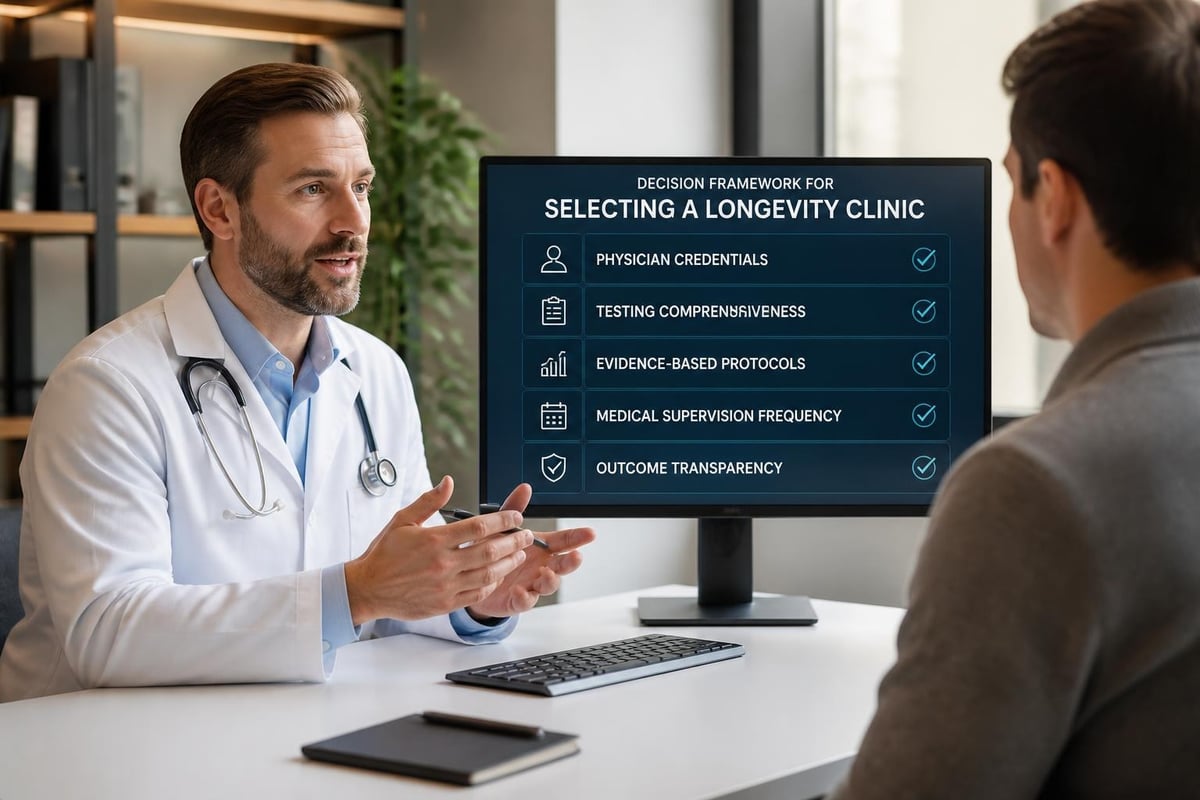
Look for these critical elements when assessing any longevity practice:
- Board-certified physician leadership with specialized training in longevity medicine, functional medicine, or anti-aging specialties
- Comprehensive diagnostic capabilities including advanced laboratory testing, imaging, and genetic analysis
- Evidence-based treatment protocols grounded in peer-reviewed research rather than unproven trends
- Transparent biomarker tracking with regular testing and clear communication of results
- Personalized program design rather than standardized packages applied to all patients
The anderson longevity clinic model demonstrates how these elements integrate to create effective patient outcomes. Choosing a longevity clinic in Bangkok requires similar diligence, evaluating credentials, methodologies, and outcome tracking systems.
Red Flags and Warning Signs
Certain characteristics should raise concerns about a facility's legitimacy:
- Promises of dramatic results without comprehensive testing
- Protocols based primarily on expensive supplements or proprietary products
- Lack of physician involvement in treatment planning and monitoring
- Absence of regular biomarker reassessment
- Unwillingness to coordinate with patients' existing healthcare providers
- Marketing emphasizing anecdotes over measurable outcomes
The Urban Longevity House Concept
Recent innovations in longevity medicine delivery have introduced the "urban longevity house" model, which combines clinical excellence with accessible, patient-friendly environments. This approach differs from traditional medical office settings while maintaining rigorous medical standards.
Integration of Medical and Lifestyle Services
The anderson longevity clinic philosophy aligns with this integrated model. Rather than separating clinical treatments from lifestyle interventions, urban longevity houses provide comprehensive services under one roof.
Typical offerings include:
- On-site diagnostic testing and medical consultations
- Treatment administration spaces for IV therapies, injections, and cellular treatments
- Recovery and regeneration facilities
- Nutrition counseling and meal planning support
- Fitness assessment and exercise prescription
- Stress management and sleep optimization resources
This integration acknowledges that optimal longevity outcomes require addressing multiple health dimensions simultaneously. Patients benefit from coordinated care where nutritionists, physicians, and wellness specialists collaborate on unified strategies.
Accessibility and Convenience
Urban locations make longevity medicine more accessible to busy professionals who might otherwise struggle to engage with comprehensive programs. The anderson longevity clinic model recognizes that treatment adherence depends partly on convenience and program design that fits patients' lives.
Regular appointments for IV therapies, biomarker testing, or physician consultations become more feasible when facilities occupy central urban locations with extended hours and streamlined scheduling systems.
Advanced Therapeutics in Modern Longevity Clinics
The anderson longevity clinic approach incorporates sophisticated treatment modalities that extend beyond conventional medicine. These advanced therapeutics represent some of the most promising interventions in age-related health optimization.
Cellular and Regenerative Medicine
Stem cell therapy and exosome treatments have emerged as powerful tools for tissue regeneration and systemic rejuvenation. These therapies work at the cellular level to promote repair mechanisms and reduce inflammatory processes associated with aging.
Stem cell therapy applications range from orthopedic injuries to aesthetic rejuvenation, while exosome therapy offers benefits without the regulatory complexity of live cell treatments.
Peptide Therapy and Hormone Optimization
Peptides represent highly specific signaling molecules that can modulate numerous physiological processes. The anderson longevity clinic model often incorporates peptides for:
- Growth hormone optimization without direct hormone administration
- Immune system enhancement
- Cognitive function improvement
- Sleep quality optimization
- Tissue repair acceleration
Peptides for recovery and sleep demonstrate particular utility in longevity programs, addressing two fundamental pillars of healthy aging.
Hormone replacement therapy, when indicated by biomarker testing, can restore youthful hormonal profiles that support metabolism, body composition, cognition, and vitality.
Metabolic and Mitochondrial Support
Declining mitochondrial function represents a hallmark of aging. Advanced longevity clinics address this through:
- NAD+ optimization via supplementation or IV therapy
- Mitochondrial support peptides
- Targeted nutraceuticals supporting cellular energy production
- Dietary strategies promoting mitochondrial biogenesis
NAD+ IV drip therapy has gained significant attention for its potential to enhance cellular energy metabolism and support numerous age-related processes.
The Future of Longevity Medicine
As we progress through 2026, longevity medicine continues evolving rapidly. The anderson longevity clinic model will likely incorporate even more sophisticated diagnostics and interventions as research advances.
Emerging longevity science explores epigenetic reprogramming, senolytic therapies that eliminate dysfunctional cells, and precision interventions based on individual genetic profiles. These developments promise to enhance the already impressive capabilities of comprehensive longevity programs.
Personalization Through Artificial Intelligence
Machine learning algorithms increasingly analyze complex biomarker patterns to predict optimal treatment combinations and anticipate health risks before they manifest in traditional testing. This technology enhances physicians' ability to customize protocols with unprecedented precision.
Expanded Access and Standardization
As longevity medicine matures, professional societies are developing standards and certifications that help patients identify qualified practitioners. The anderson longevity clinic approach may eventually become codified into recognized best practices adopted across the industry.
International medical tourism destinations, particularly in Southeast Asia, are positioning themselves as longevity medicine hubs, offering comprehensive programs at more accessible price points than Western markets while maintaining high medical standards.
Measuring Success in Longevity Programs
Objective outcome tracking separates legitimate longevity medicine from wellness marketing. The anderson longevity clinic methodology emphasizes measurable improvements in specific biomarkers rather than subjective assessments alone.
Key Performance Indicators
Effective programs track changes across multiple domains:
- Biological age markers showing reduction in epigenetic age relative to chronological age
- Metabolic health improvements in insulin sensitivity, glucose control, and body composition
- Cardiovascular risk reductions in blood pressure, lipid profiles, and inflammatory markers
- Hormonal optimization restoration of youthful levels where appropriate
- Physical performance improvements in strength, endurance, and functional capacity
- Cognitive function enhanced memory, processing speed, and mental clarity
Regular biomarker reassessment provides concrete evidence of protocol effectiveness. Patients should expect to see measurable improvements in targeted areas within three to six months, though some interventions require longer timeframes to demonstrate full benefits.
Beyond the Numbers
While biomarkers provide objective data, successful longevity programs also enhance subjective quality of life. Patients frequently report:
- Increased energy and reduced fatigue
- Improved sleep quality and recovery
- Enhanced mental clarity and focus
- Better stress resilience
- Improved physical performance and reduced pain
- Greater overall vitality and wellbeing
The anderson longevity clinic model recognizes that both objective biomarker improvements and subjective quality-of-life enhancements contribute to successful aging.
Integration with Existing Healthcare
Comprehensive longevity programs complement rather than replace conventional medical care. The anderson longevity clinic approach emphasizes coordination with patients' existing healthcare providers to ensure all aspects of health receive appropriate attention.
This integration proves particularly important for patients managing chronic conditions or taking prescription medications. Longevity physicians must understand existing treatments to avoid contraindications and leverage synergies between conventional and optimization-focused interventions.
Effective integration requires:
- Transparent communication between longevity physicians and primary care providers
- Comprehensive medication reviews to identify potential interactions
- Coordination of laboratory testing to avoid duplication
- Clear delineation of responsibilities for different health domains
- Regular updates to all providers about treatment changes
Patients benefit most when their healthcare team operates collaboratively, with longevity specialists focusing on optimization while primary care physicians manage acute issues and chronic disease.
Modern longevity medicine offers unprecedented opportunities to extend healthspan and optimize biological function through comprehensive biomarker testing and personalized interventions. The anderson longevity clinic model demonstrates how sustained medical supervision, advanced therapeutics, and lifestyle optimization create measurable improvements in aging-related health markers. Whether you're seeking to prevent age-related decline or optimize current performance, Healthi Life provides physician-led longevity programs in Bangkok with tracking of up to 300 biomarkers and ongoing medical supervision throughout your journey to enhanced vitality and extended healthspan.