
Berberine Benefits: Evidence, Safety, and Clinical Use
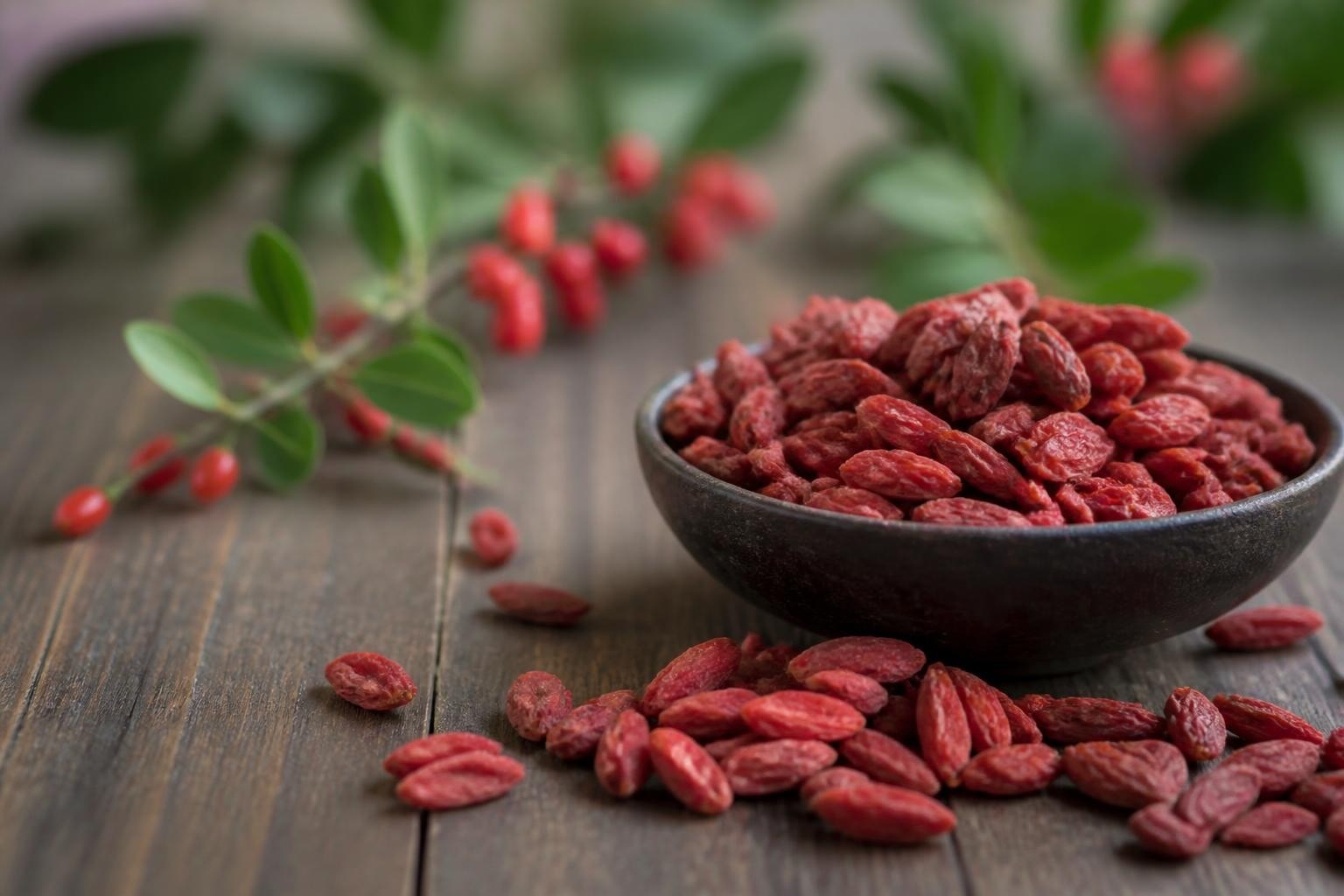
Berberine benefits examined through clinical trials and mechanisms. Blood glucose, lipids, and metabolic data reviewed by physicians.
This page is for general information and does not constitute medical advice, diagnosis, or treatment. Results vary between individuals. GLP-1 medication (semaglutide — Ozempic, Wegovy; tirzepatide — Mounjaro) is a prescription medicine, dispensed and administered only after assessment by a licensed physician. This page is medical information, not an advertisement or an offer of treatment. Every medicine and peptide listed here is dispensed only after a medical consultation at Healthi Life and on a physician's prescription. Prices are published for transparency, not as an offer to supply. Always consult a qualified physician about your condition. See our full medical disclaimer.
Berberine is an isoquinoline alkaloid extracted from several plant species used in traditional medicine. Clinical trials have measured its effects on blood glucose, lipid panels, and metabolic markers. The compound activates adenosine monophosphate-activated protein kinase (AMPK), a central regulator of cellular energy. Documented berberine benefits include reductions in fasting glucose and LDL cholesterol, though data quality varies and mechanisms remain under investigation.
What the Clinical Data Show
Berberine has been studied in randomized controlled trials for metabolic disorders. A 2023 review of berberine as an antidiabetic compound summarized clinical work in type 2 diabetes, including a three-month trial in which fasting blood glucose fell by about 20% and HbA1c by about 12%. The effect size depends on baseline glucose, dose, and duration. This guide is published by the Healthi Life in Bangkok.
Lipid effects are also documented. A 2018 meta-analysis of 16 randomized trials (2,147 participants) in dyslipidemia found average reductions of 0.38 mmol/L in LDL cholesterol, 0.47 mmol/L in total cholesterol, and 0.28 mmol/L in triglycerides, while warning that the trials were heterogeneous and at high risk of bias. The mechanism involves upregulation of LDL receptor expression and inhibition of cholesterol synthesis.
Not all trials are high quality. An umbrella review summarizing clinical evidence covered 54 systematic reviews and graded most outcomes as very low-quality evidence; trial populations came overwhelmingly from Asia, mainly China, which limits how far results generalize.
Key findings from clinical trials:
- Fasting glucose reduction in type 2 diabetes
- LDL cholesterol lowering, smaller and less consistent than with statins
- Triglyceride reduction in dyslipidemia
- Modest weight loss in some cohorts
- Improved insulin sensitivity markers

Mechanisms of Action
Berberine works through multiple pathways. The primary target is AMPK, an enzyme that senses cellular energy status and regulates glucose and lipid metabolism. Activation of AMPK increases glucose uptake in muscle cells and inhibits gluconeogenesis in the liver.
A 2024 review on molecular mechanisms detailed additional targets. Berberine modulates gut microbiota composition, alters bile acid metabolism, and affects mitochondrial oxygen consumption. These effects are dose-dependent and vary between tissues.
The compound also influences gene expression. It downregulates proprotein convertase subtilisin/kexin type 9 (PCSK9), which degrades LDL receptors. This mechanism partly explains the cholesterol-lowering effect.
Cellular Energy Regulation
AMPK activation shifts cells from anabolic to catabolic metabolism. Fatty acid oxidation increases while synthesis decreases. Glucose uptake improves even in insulin-resistant states.
| Pathway | Effect | Human Time Course |
|---|---|---|
| AMPK activation | Increased glucose uptake | Not established |
| PCSK9 inhibition | Higher LDL receptor density | Not established |
| Gluconeogenesis | Reduced hepatic glucose output | Not established |
| Mitochondrial function | Improved oxygen consumption | Not established |
The U.S. National Center for Complementary and Integrative Health notes that while mechanisms are documented, clinical translation remains incomplete. Not all individuals respond equally.
Safety and Drug Interactions
Berberine has a documented side effect profile. Gastrointestinal symptoms are most common: diarrhea, constipation, abdominal cramping. They are the most frequently reported adverse effects, according to the NIH National Center for Complementary and Integrative Health.
Drug interactions matter. In a randomized crossover study in healthy volunteers, two weeks of berberine reduced the activity of the liver enzymes CYP2D6, CYP2C9, and CYP3A4. This affects metabolism of many medications, including anticoagulants, antihypertensives, and immunosuppressants. Concurrent use requires medical oversight.
Contraindications and cautions:
- Pregnancy and breastfeeding (berberine may be unsafe; it has been linked to harmful bilirubin buildup in infants)
- Concurrent cyclosporine or tacrolimus use
- Severe hepatic impairment
- Active gastrointestinal disease
- Concurrent P-glycoprotein substrates
The European Food Safety Authority call for data was issued in 2023 to gather evidence for a scientific opinion on the safety of berberine-containing plant preparations used in food supplements. Long-term safety data in humans remain limited.
Bioavailability is low. Oral berberine is poorly absorbed, and much of it is metabolized before reaching the bloodstream.
Dosing and Clinical Context
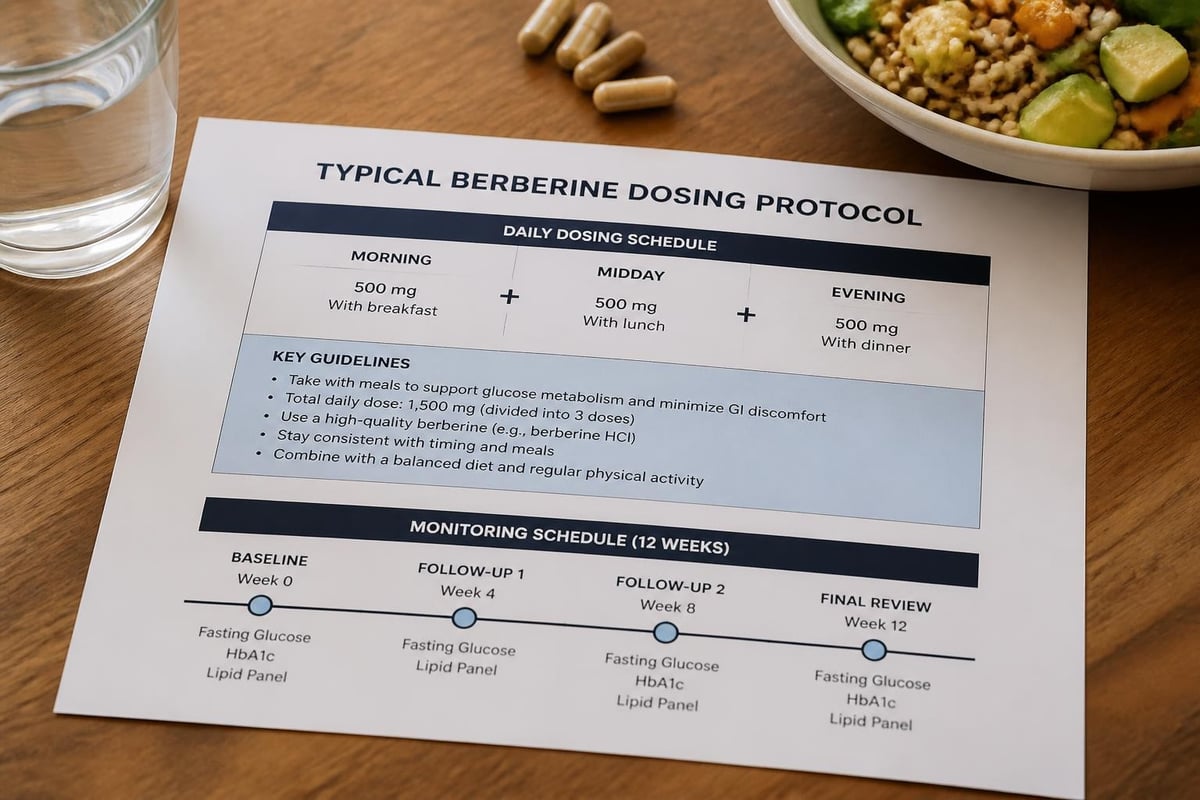
Doses used in clinical trials have varied. Whether berberine is appropriate, and at what dose, is decided by a physician after reviewing your biomarkers and current medications.
Sustained-release formulations exist but have not been compared directly to immediate-release forms in controlled trials.
Response is individual. Some patients show marked glucose reduction; others see minimal change. Baseline metabolic state, genetics, and gut microbiota composition all influence outcome. This variability means berberine benefits cannot be predicted without testing.
A completed pilot trial registered at ClinicalTrials.gov compared changes in HbA1c and fasting glucose in people with type 2 diabetes according to a TCF7L2 gene variant. Studies like this may help clarify who responds.
Integration with Medical Supervision
Berberine is not a replacement for standard diabetes or lipid management. It may serve as an adjunct when used under medical guidance. Blood glucose and liver enzymes require monitoring during use.
At Healthi Life, any use of berberine follows baseline biomarker testing and physician review. The Advanced Check-Up includes fasting glucose, HbA1c, lipid panel, and liver function tests. These establish whether berberine is appropriate and provide a reference for measuring response.
Patients on medication require closer oversight. The drug interaction profile necessitates review of all concurrent therapies. Adjustments may be needed.
Metabolic and Weight Effects
Weight loss is reported in some trials but is modest. A 2022 review cited by the NCCIH found significant decreases in weight and BMI, mainly in trials lasting more than eight weeks, but the evidence is considered inconclusive because of study limitations. This is less than seen with GLP-1 receptor agonists or other pharmacologic interventions discussed in our tirzepatide side effects overview.
The mechanism for weight change is likely indirect. Improved insulin sensitivity reduces fat storage. AMPK activation increases energy expenditure slightly. Appetite is not directly suppressed.
Berberine also affects adipokine secretion. Adiponectin levels rise in some studies, while leptin decreases. These shifts correlate with improved metabolic markers but do not reliably predict weight loss.
Metabolic outcomes in clinical trials:
- Fasting glucose: average reduction of about 0.5 mmol/L versus placebo in a 2025 meta-analysis of placebo-controlled trials in metabolic syndrome
- HbA1c: pooled mean reduction of 0.73 in a 2021 meta-analysis of 46 trials in type 2 diabetes, with berberine used alone or alongside standard therapy
- LDL and total cholesterol: average reductions of about 0.5 mmol/L and 0.45 mmol/L (2025 meta-analysis)
- Triglycerides: average reduction of about 0.37 mmol/L (2025 meta-analysis)
- Waist circumference: average reduction of about 3.3 cm, with no significant effect on HDL cholesterol or blood pressure (2025 meta-analysis)
Some patients experience no weight change despite improved glucose control. This dissociation suggests berberine primarily affects glucose and lipid handling rather than energy balance.
Gut Microbiota and Metabolic Signaling
Berberine alters gut microbiota composition. Studies show increased abundance of short-chain fatty acid producers and reduced levels of inflammatory species.
The clinical relevance is uncertain. Microbiota shifts may contribute to metabolic effects, but direct causation has not been established. Berberine also reaches the colon in unchanged form, where it exerts local effects independent of systemic absorption.
| Bacterial Genus | Change with Berberine | Metabolic Association |
|---|---|---|
| Akkermansia | Increased | Mucin degradation, improved barrier function |
| Blautia | Increased | Butyrate production |
| Prevotella | Variable | Depends on baseline diet |
| Escherichia | Decreased | Reduced endotoxin load |
Gut-liver signaling also shifts. Bile acid composition changes, affecting farnesoid X receptor activation and glucose homeostasis. This pathway links microbiota effects to systemic metabolism.

Cardiovascular Markers
Lipid changes with berberine extend beyond LDL cholesterol. HDL cholesterol rose slightly in some trials, although a 2025 meta-analysis of placebo-controlled trials found no significant HDL effect. Whether these lipid shifts reduce cardiovascular risk is unknown, as outcome trials are lacking.
Blood pressure findings are inconsistent: the 2025 meta-analysis found no significant effect on systolic or diastolic pressure compared with placebo.
Inflammation markers also respond. C-reactive protein decreases in trials enrolling patients with metabolic syndrome. Tumor necrosis factor alpha and interleukin-6 show variable reductions. These changes suggest systemic anti-inflammatory effects.
Lipoprotein(a) has not been studied extensively with berberine. This genetic risk factor, detailed in our lipoprotein(a) article, does not respond to most interventions. Whether berberine affects Lp(a) levels remains unknown.
Cardiovascular outcomes have not been measured in long-term trials. The improvements in lipids and glucose suggest benefit, but this is hypothetical without event data.
Comparing Berberine to Standard Treatments
Berberine is not equivalent to metformin, statins, or other established therapies. Glucose lowering is less consistent. Lipid effects are smaller in magnitude. The evidence base is narrower.
Some trials have compared berberine directly to metformin. A 2015 meta-analysis found no statistically significant difference in glucose lowering between berberine and oral diabetes drugs, but its authors rated the included studies as limited in quality.
Treatment comparison for metabolic syndrome:
| Intervention | Glucose Effect | Lipid Effect | Evidence Grade | Side Effects |
|---|---|---|---|---|
| Metformin | Moderate | Minimal | High | GI, rare lactic acidosis |
| Berberine | Mild to moderate | Mild | Moderate | GI common |
| Statins | None | Large | High | Myalgia, hepatic |
| Lifestyle | Variable | Variable | High | Adherence |
Berberine may serve as an option when standard treatments are refused or not tolerated. It does not replace them when those therapies are indicated.
For individuals with borderline glucose or lipid markers who prefer non-prescription options, berberine offers documented effects. The decision requires weighing benefit against interaction risk and monitoring burden.
Situations Where Berberine Is Considered
Prediabetes is the most common clinical context. The U.S. Centers for Disease Control and Prevention defines it as fasting glucose of 100 to 125 mg/dL (about 5.6 to 6.9 mmol/L) or HbA1c of 5.7 to 6.4 percent. Berberine has been studied in this population with documented glucose reductions.
Dyslipidemia with statin intolerance is another scenario. Some patients experience myalgia or hepatic enzyme elevations with statins. Berberine provides an alternative, though with smaller LDL reductions.
Metabolic syndrome, defined by central obesity plus two metabolic abnormalities, is a third indication. Berberine addresses multiple components: glucose, lipids, blood pressure, and inflammation. The multi-target effect appeals in this context.
Polycystic ovary syndrome has been studied in small trials. Insulin resistance improves, and some hormonal markers shift. Evidence is preliminary.
Clinical scenarios for berberine use:
- Prediabetes with patient preference for non-prescription intervention
- Borderline dyslipidemia in statin-intolerant individuals
- Metabolic syndrome as adjunct to lifestyle modification
- Type 2 diabetes under medical supervision alongside standard therapy
- Research participation in controlled trials
In each scenario, baseline testing and physician oversight are necessary. Berberine is not appropriate for self-prescription when standard therapies are indicated.
Monitoring and Assessment
Berberine use requires objective measurement. Fasting glucose and HbA1c track glycemic response. Lipid panels measure cholesterol and triglyceride changes. Liver enzymes confirm absence of hepatotoxicity.
Testing intervals depend on baseline risk and concurrent medications. Your physician sets the follow-up schedule to capture early response and side effects.
Some patients test at home using continuous glucose monitors. This provides granular data but does not replace laboratory HbA1c measurement. Trends matter more than individual readings.
Response assessment determines continuation. If glucose or lipids do not improve, the physician reassesses whether to continue.
Advanced testing may reveal mechanisms of response or non-response. Whether genetic variants or gut microbiome composition predict response is still being studied.
Questions Patients Ask
Does berberine work as well as metformin for blood sugar control?
A 2015 meta-analysis found no statistically significant difference in glucose lowering between berberine and oral diabetes drugs, but the included studies were of limited quality. Metformin has larger, longer trials and regulatory approval. Berberine is not a substitute when metformin is indicated. It may be considered when metformin is not tolerated or in borderline states under medical oversight.
Can berberine be taken with other supplements or medications?
Drug interactions are documented with many medications. Berberine inhibits enzymes that metabolize anticoagulants, immunosuppressants, and cardiovascular drugs. A physician must review all concurrent therapies before starting berberine. Some combinations are unsafe.
How long does it take to see berberine benefits?
Most trials measured outcomes after several weeks to a few months; there is no established timeline for an individual. Testing at intervals confirms response. Some individuals show no measurable effect.
What side effects should I expect?
Gastrointestinal symptoms such as nausea, abdominal pain, bloating, constipation, and diarrhea are the most commonly reported side effects. Your physician can adjust the plan if they occur. Serious side effects are rare but include hepatotoxicity and severe drug interactions.
Integration with Regenerative Protocols
Berberine's metabolic effects may complement cellular and regenerative approaches. Good glucose control and lower inflammation are part of general metabolic health, which physicians review before any regenerative protocol. Stem cell approaches remain investigational, and there is no evidence that berberine improves their outcomes.
Baseline glucose, lipids, and inflammatory markers are reviewed first, and berberine is only one option a physician may consider.
Peptide protocols also benefit from metabolic stability. Peptides discussed in our peptide therapy overview are prescribed only after medical review, and insulin sensitivity is one of the markers considered. Evidence on combining berberine with peptides is lacking.
This is not a universal combination. Each patient's protocol depends on biomarkers, goals, and concurrent treatments. A physician determines whether berberine fits the plan after reviewing data.
Berberine offers documented effects on glucose and lipid metabolism through defined mechanisms, though individual response varies and long-term data remain limited. The decision to use berberine requires baseline testing, interaction review, and ongoing monitoring to confirm benefit and safety. Healthi Life provides physician-led assessment and biomarker tracking through consultations and testing programs designed for continuous health management rather than one-time evaluation. Visit Healthi Life to discuss whether berberine or other interventions align with your metabolic data and health objectives.
This page is for information only and is not medical advice. Medical consultation and prescription are available online and on site at Healthi Life, Ekkamai, Bangkok.
Every medicine named on this page is dispensed only after a medical consultation at Healthi Life and on a physician's prescription. No dosing schedule is published here; the dose is set by the prescribing physician. This page is published for transparency, not as an offer to supply.