
Key Takeaways
- Exosomes are cell-free vesicles that signal follicle cells — they deliver growth factors rather than adding new cells.
- They are studied for supporting hair density, shaft thickness and scalp condition in early-to-moderate thinning.
- Best suited to active follicles; advanced loss with dormant follicles is beyond the scope of signalling therapy.
- Delivered via microneedling or mesotherapy, non-surgical, with minimal downtime — most guests resume activity the same day.
- Results develop gradually over months as follicles cycle; they vary between individuals and are not guaranteed.
- Male pattern thinning is a primary use case; eligibility is set after a physician scalp and medical assessment.
What Are Exosomes, and What Do They Do for Hair?
Exosomes are tiny extracellular vesicles — roughly 30 to 150 nanometres — secreted by cells to communicate with one another. They carry proteins, growth factors and RNA, and they deliver those signals to nearby cells. In hair therapy, the relevant point is what they are not: they are not cells, and they are not a transplant. They are messengers.
For hair, that messaging is aimed at the follicle. Exosome preparations are studied for delivering growth-factor signals to follicle cells that may support the natural hair-growth cycle, improve the scalp environment and encourage miniaturizing follicles to behave more like healthy ones. The keyword is support: exosomes work with follicles that are still alive, nudging their signalling rather than resurrecting follicles that are gone.
Exosome scalp therapy is studied for:
- Hair density — supporting fuller coverage where follicles are thinning but active
- Shaft thickness — encouraging finer, miniaturizing hairs toward a healthier calibre
- Scalp condition — improving the environment follicles grow in
- Post-procedure support — complementing other physician-guided hair therapies when indicated
Exosomes vs PRP vs Stem Cells for Hair
Guests researching hair loss usually meet three regenerative options. They are related but distinct, and none is a universal answer. The table compares them at a glance:
| Factor | Exosomes | PRP | Stem cells |
|---|---|---|---|
| What it is | Cell-free signalling vesicles (standardized preparation) | Platelet-rich plasma concentrated from your own blood | Living cells used in regenerative protocols |
| How it acts | Delivers growth-factor signals to follicle cells | Releases your own platelet growth factors at the scalp | Cell-based approach studied in regenerative research |
| Source | Cultured cells, isolated as a cell-free product | Autologous — drawn and spun from your blood | Cell preparations under strict handling |
| Best suited for | Early-to-moderate thinning with active follicles | Early thinning; guests preferring an autologous option | Considered case-by-case after medical assessment |
| Delivery & downtime | Microneedling / mesotherapy; minimal downtime | Scalp injection; minimal downtime | Protocol-dependent, under medical oversight |
General comparison only. Suitability and any combination are determined after a physician scalp and medical assessment.
In practice, exosomes and PRP are sometimes coordinated rather than treated as rivals, and physician-guided medical therapy remains central to androgenetic hair loss. What decides the plan is not the marketing around a single option — it is your pattern, your stage and what your scalp assessment shows.
The Exosome Hair Protocol at Healthi Life
A credible hair plan starts with a diagnosis, not a device. At Healthi Life, exosome scalp therapy follows a defined sequence so the intervention matches the cause of the thinning:
- Scalp & medical assessment — a physician evaluates your scalp, pattern and history to confirm whether exosome therapy is appropriate and to set realistic expectations
- Personalized protocol — the number of sessions, and any combination such as PRP or nutrition, is planned to your pattern and goals
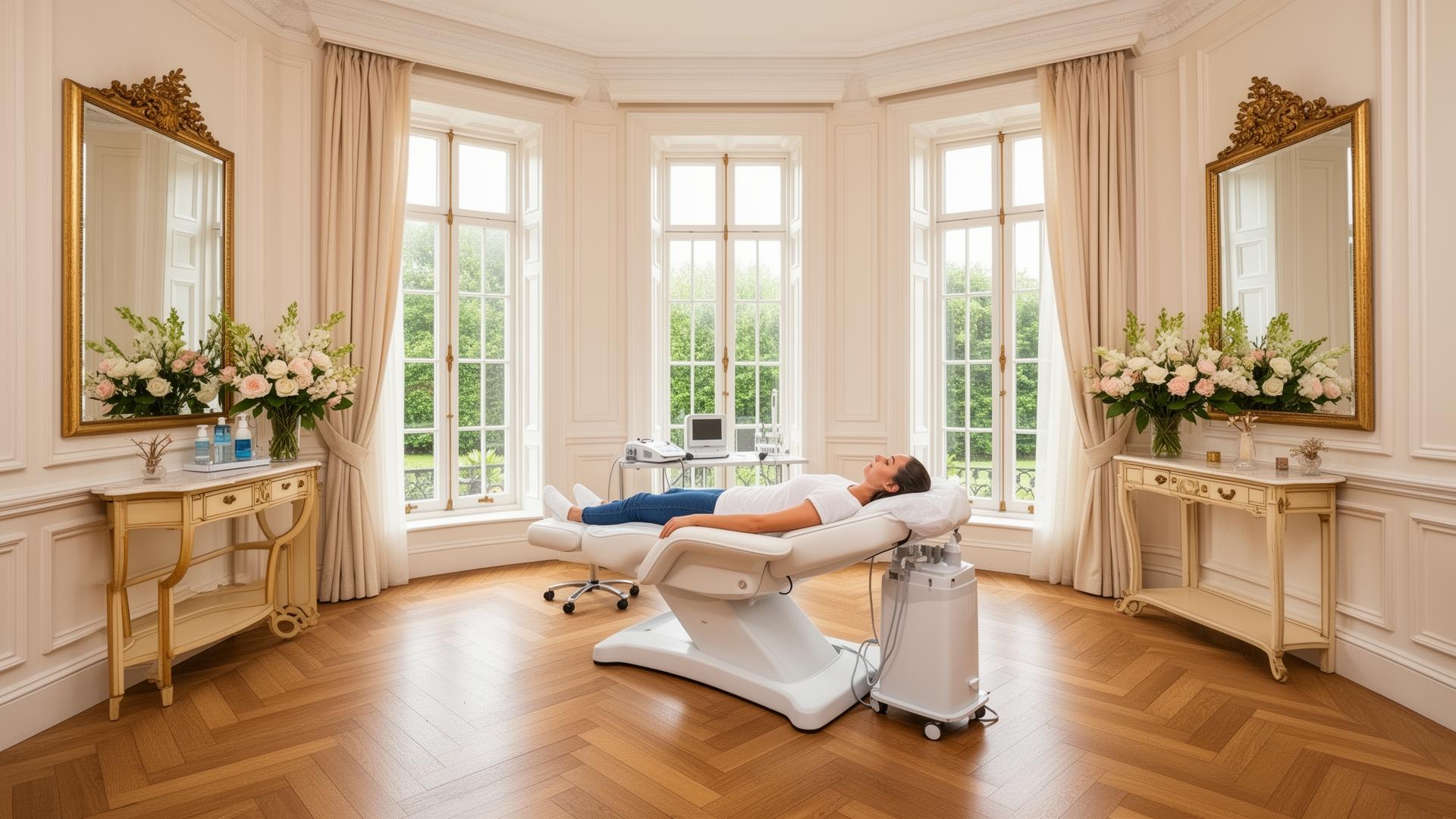
- Scalp sessions — exosomes are delivered to the scalp via microneedling or mesotherapy under sterile technique, typically as a spaced course
- Review & maintenance — progress is reviewed over the following months, and maintenance is planned to sustain results
The therapy is non-surgical and minimal-downtime — most guests resume normal activity the same day. It is not a one-and-done product; it is a supervised course reviewed against how your hair actually responds.
Realistic Timelines: What to Expect
Hair moves on its own schedule. Follicles cycle over months, so any change from a supportive therapy shows gradually across that horizon rather than in a few weeks. Exosome therapy is studied for supporting density and thickness in suitable candidates — it is not a guaranteed regrowth treatment, and outcomes vary between individuals. Anyone promising fixed regrowth on a fixed date is not describing hair biology.
This is why review matters. A physician tracks progress over the months after a course and adjusts maintenance accordingly, rather than declaring success on day one. Managed expectations are part of the treatment, not a caveat bolted onto it.
Exosomes for Male Pattern Hair Loss
Male pattern hair loss — androgenetic thinning at the temples and crown — is the most common reason men look into exosome scalp therapy, and it is a primary use case. The window that matters is early-to-moderate thinning, when follicles are miniaturizing but still viable. That is where signalling therapy has room to work, often alongside physician-guided medical therapy for androgenetic loss. Where thinning is advanced and follicles are dormant, exosomes have limited scope — a distinction a scalp assessment makes plain. For the executive who notices thinning early and wants to act while there is still something to support, the value is starting from an honest diagnosis rather than a shelf product.
For women, hair thinning often has different drivers — hormonal shifts, telogen effluvium, iron or thyroid factors — so exosome therapy is considered only after those causes are assessed. The underlying rule is identical across the board: identify the cause first, then decide whether exosomes fit the plan.
Proactive Hair Health at Healthi Life
Healthi Life is a physician-led longevity house in Ekkamai, Bangkok, where hair is treated as part of how you age rather than a standalone cosmetic fix. Exosome scalp therapy sits within Recovery & Performance Medicine, and every plan begins with a scalp and medical assessment — the cause of the thinning sets the protocol.
To see how a course is structured, visit our exosome hair treatment page. Because hair loss can reflect deeper factors — hormonal, nutritional or metabolic — exosome therapy is frequently coordinated with other physician-guided protocols when clinically appropriate, and pricing is confirmed in local currency after your assessment.
This page is for general information and does not constitute medical advice, diagnosis, or treatment. Results vary between individuals. Every medicine and peptide listed here is dispensed only after a medical consultation at Healthi Life and on a physician's prescription. Prices are published for transparency, not as an offer to supply. Always consult a qualified physician about your condition. See our full medical disclaimer.
Where to Start
If you are noticing thinning, the most useful first move is a diagnosis, not a booking. Exosome therapy works best when follicles are still active, so timing and cause matter more than any single product. A physician scalp assessment turns a worry into a specific, staged plan with realistic expectations. To explore whether exosome therapy fits your hair, book a consultation with Healthi Life's medical team.
All programs begin with physician assessment. No protocol is prescribed without context. Precision interventions. Long-term strategies. No shortcuts.
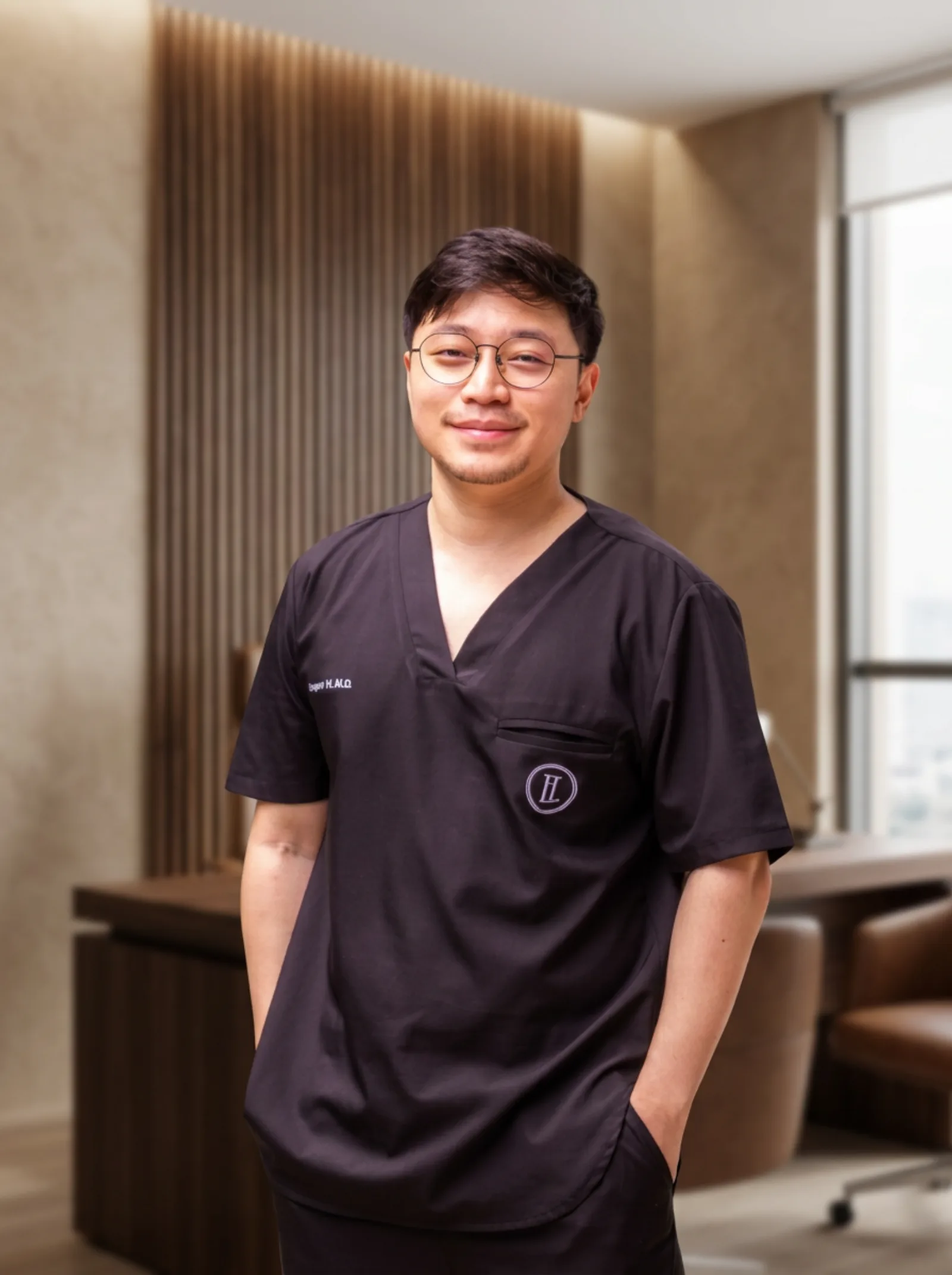
Dr. Napat Hunsajarupan (Dr. First)
Verified PhysicianCo-Founder & Chief Medical Officer
Dermatologist & Peptides Specialist
Dr. Napat Hunsajarupan (Dr. First) is Co-Founder & Chief Medical Officer at Healthi Life, a Dermatologist and Peptides Specialist. He leads Recovery & Performance medicine — IV/NAD+, peptides, cellular therapy and skin regeneration.