

Key Takeaways
- Stem cells are living cells that self-renew and differentiate into new tissue; exosomes are cell-free messenger vesicles (30–150 nm) that signal your own cells to repair.
- Stem cell therapy is generally better suited to joint degeneration, autoimmune balance, and chronic or systemic conditions.
- Exosome therapy is often preferred for skin and hair rejuvenation, post-procedure recovery, and targeted aesthetics.
- Exosomes carry no cellular DNA, which lowers immune-rejection risk and makes them suitable for repeat sessions.
- Many guests combine both — stem cells for structural repair, exosomes to fine-tune cellular signaling and recovery.
How Your Body Already Knows How To Heal
If you've been comparing exosome vs stem cell therapy, you're looking at two widely studied tools in regenerative medicine today. Both aim to support healing, anti-aging goals, and tissue repair, but they work in fundamentally different ways. Your body already repairs itself every single day — cuts close, bruises fade, and damaged tissue quietly regenerates while you sleep. These therapies take that natural ability and amplify it. Choosing the right one depends on what your body actually needs.
This guide breaks down the science, the practical differences, and the ideal use cases for each so you can make a well-informed decision.
What Are Stem Cells and How Do They Work?
Stem cells are undifferentiated cells, meaning they have the unique ability to transform into specialized cell types such as muscle, bone, cartilage, or nerve cells. They are often called the body's master repair cells because they can both self-renew and generate new tissue.
The most commonly used stem cells in regenerative therapy are mesenchymal stem cells (MSCs). These are typically sourced from umbilical cord tissue, bone marrow, or adipose (fat) tissue. Once administered through IV infusion or localized injection, MSCs travel to damaged areas and begin the process of differentiation and repair.
Important benefits of stem cell therapy include:
- Tissue regeneration for damaged joints, cartilage, and soft tissues
- Immune modulation that helps reduce chronic inflammation and supports autoimmune balance
- Accelerated healing after injury or surgery
- Anti-aging support through cellular renewal and improved vitality
- Fertility support that may help support egg quality and hormonal balance
Best Use Cases for Stem Cell Therapy
Stem cell therapy is generally better suited for deeper structural or chronic conditions, including:
- Osteoarthritis and joint degeneration
- Soft tissue injuries such as ligament tears and tendonitis
- Autoimmune conditions requiring immune modulation
- Chronic fatigue and metabolic dysfunction
- Fertility support and hormonal optimization
- Systemic anti-aging and longevity programs
What Are Exosomes and How Do They Differ?
Exosomes are tiny extracellular vesicles, typically between 30 and 150 nanometers in diameter, that are secreted by cells, including stem cells. Think of them as biological messengers. They carry proteins, growth factors, RNA, and microRNA, and they deliver these signals to nearby or distant cells in the body.
The critical distinction when comparing exosome therapy vs stem cell therapy is this: exosomes do not become new cells. Instead, they instruct your existing cells to repair and regenerate themselves. Because exosomes are cell-free, they carry no cellular DNA and cannot self-replicate — a profile clinically associated with fewer safety unknowns than cell-based approaches.
Important benefits of exosome therapy include:
- Skin and hair rejuvenation through enhanced collagen production and cellular regeneration
- Inflammation reduction at both systemic and localized levels
- Faster wound healing and nerve repair
- Improved cell-to-cell communication for quicker recovery
- Lower immunogenicity, making it suitable for more frequent application
Best Use Cases for Exosome Therapy
Exosome therapy is often considered for targeted concerns, including:
- Skin aging, pigmentation, and texture improvement
- Hair thinning and scalp regeneration
- Post-laser or microneedling recovery enhancement
- Cognitive support and neurological inflammation
- Athletic recovery and post-surgery rehabilitation
- Targeted aesthetic rejuvenation
Exosomes vs Stem Cells: Comparison Table
Understanding exosomes vs stem cells comes down to three core distinctions. The table below compares both therapies side by side at a glance:
| Factor | Stem Cells | Exosomes |
|---|---|---|
| What they are | Living cells that self-renew and become new tissue | Cell-free messenger vesicles (30–150 nm) with no DNA |
| Mechanism of action | Differentiate into the tissue your body needs and repair it directly | Signal your own cells to repair and regenerate themselves |
| Treatment format | IV infusion or localized injection, under strict medical oversight | IV, injection, or topical with microneedling; easier to store |
| Risk profile | Small chance of immune reaction; requires strict handling | Lower risk with minimal immune response; suitable for repeat sessions |
| Source | Living MSCs from umbilical cord tissue, bone marrow, or adipose (fat) tissue | Vesicles secreted by cultured MSCs, then isolated as a cell-free product |
| Best suited for | Joint degeneration, autoimmune balance, chronic and systemic conditions | Skin and hair rejuvenation, post-procedure recovery, targeted aesthetics |
| Onset & duration | Structural repair develops gradually over weeks to months; varies by indication | Signaling effects are shorter-acting and often delivered as a repeated course |
| Relative cost | Higher upfront investment; may require fewer sessions | Lower per-session cost; suitable for more frequent, repeated sessions |
Relative comparison only. Exact pricing and eligibility are confirmed after a physician consultation.
Mechanism of Action
- Stem cells are living cells that physically transform into the tissue type your body needs through differentiation and paracrine signaling.
- Exosomes are messenger vesicles that deliver regenerative instructions to your own cells without introducing new biological material.
Treatment Format
- Stem cells require careful handling and strict medical oversight, typically administered via IV infusion or localized injection.
- Exosomes are a cell-free product, easier to store and standardize, and can be applied through IV, injection, or topically with microneedling.
Risk Profile
- Stem cells carry a small chance of immune reaction and require strict handling protocols under proper medical supervision.
- Exosomes have a lower risk profile with minimal immune response, no cellular DNA content, and suitability for repeated sessions.
When Combining Both Makes Sense
Many guests see optimal results when exosome therapy vs stem cell therapy is not an either-or decision but a layered approach. For example:
- Stem cell IV infusions can address systemic health, joint mobility, and immune balance
- Exosome facial or scalp treatments can target specific aesthetic or recovery goals
- Stem cells lay the foundation for deep tissue repair, while exosomes fine-tune cellular signaling and recovery
This combination leverages the strengths of both therapies. Stem cells rebuild and regenerate at a structural level, and exosomes optimize how your cells communicate and respond to that repair process.
Trust Healthi Life Bangkok For Science-Backed Regenerative Care
Healthi Life is a physician-led longevity house in Ekkamai, Bangkok's Watthana district. Its experienced physicians deliver protocol-driven regenerative care to private guests from over 50 countries, and the house was named 2025 Regenerative Clinic of the Year in Asia-Pacific by the GlobalHealth Asia-Pacific Awards.
The house works with ISO-certified partner laboratories and uses exclusively fresh mesenchymal stem cells rather than frozen ones, which supports higher cell viability and faster integration. Both therapies sit within Recovery & Performance Medicine, supervised by Dr. Petch, a specialist in lifestyle and regenerative medicine with a certificate in allogeneic cellular therapy, and Dr. First, who focuses on advanced dermatology and aesthetic medicine.
Healthi Life offers a full spectrum of regenerative treatments including stem cell therapy (anti-aging, orthopedic, fertility, skin, and stem cell hair therapy), exosome therapy (Exosome Face, Exosome IV, and Exosome Hair), NAD+ IV infusions, genetic testing, and over 20 doctor-formulated IV drip protocols. The house also offers structured Gold, Platinum, and Ultimate membership tiers for long-term care and measurable health outcomes.
Personalized Regenerative Health Starts Here
Both stem cells and exosomes represent a shift in how we approach health. Rather than managing symptoms, these therapies encourage the body to repair from within. Combined with peptide therapy, IV nutrient infusions, and longevity diagnostics, regenerative medicine offers a comprehensive path toward healthy aging and sustained vitality.
Bangkok continues to grow as a leading destination for regenerative medicine in the Asia-Pacific region, with physician-led houses like Healthi Life offering advanced, supervised protocols in world-class facilities. To explore which approach is right for you, book a consultation with Healthi Life's medical team today.
All programs begin with physician assessment. No protocol is prescribed without context. Precision interventions. Long-term strategies. No shortcuts.
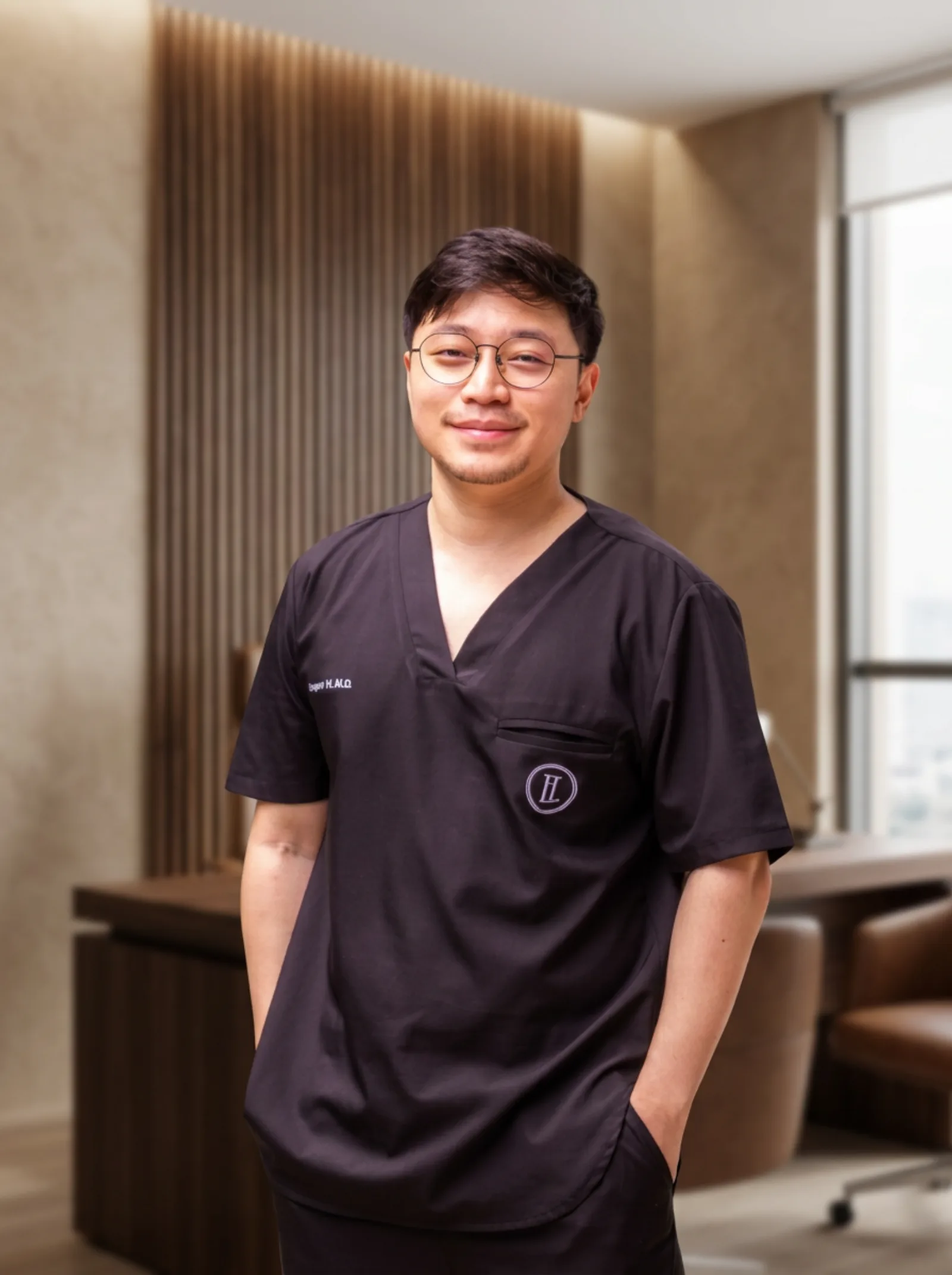
Dr. Napat Hunsajarupan (Dr. First)
Verified PhysicianCo-Founder & Medical Director
Dermatologist & Peptides Specialist
Dr. Napat Hunsajarupan (Dr. First) is Co-Founder & Medical Director at Healthi Life, a Dermatologist and Peptides Specialist. He leads Recovery & Performance medicine — IV/NAD+, peptides, cellular therapy and skin regeneration.