
Stem Cell Therapy for Back Pain: Evidence and Decisions
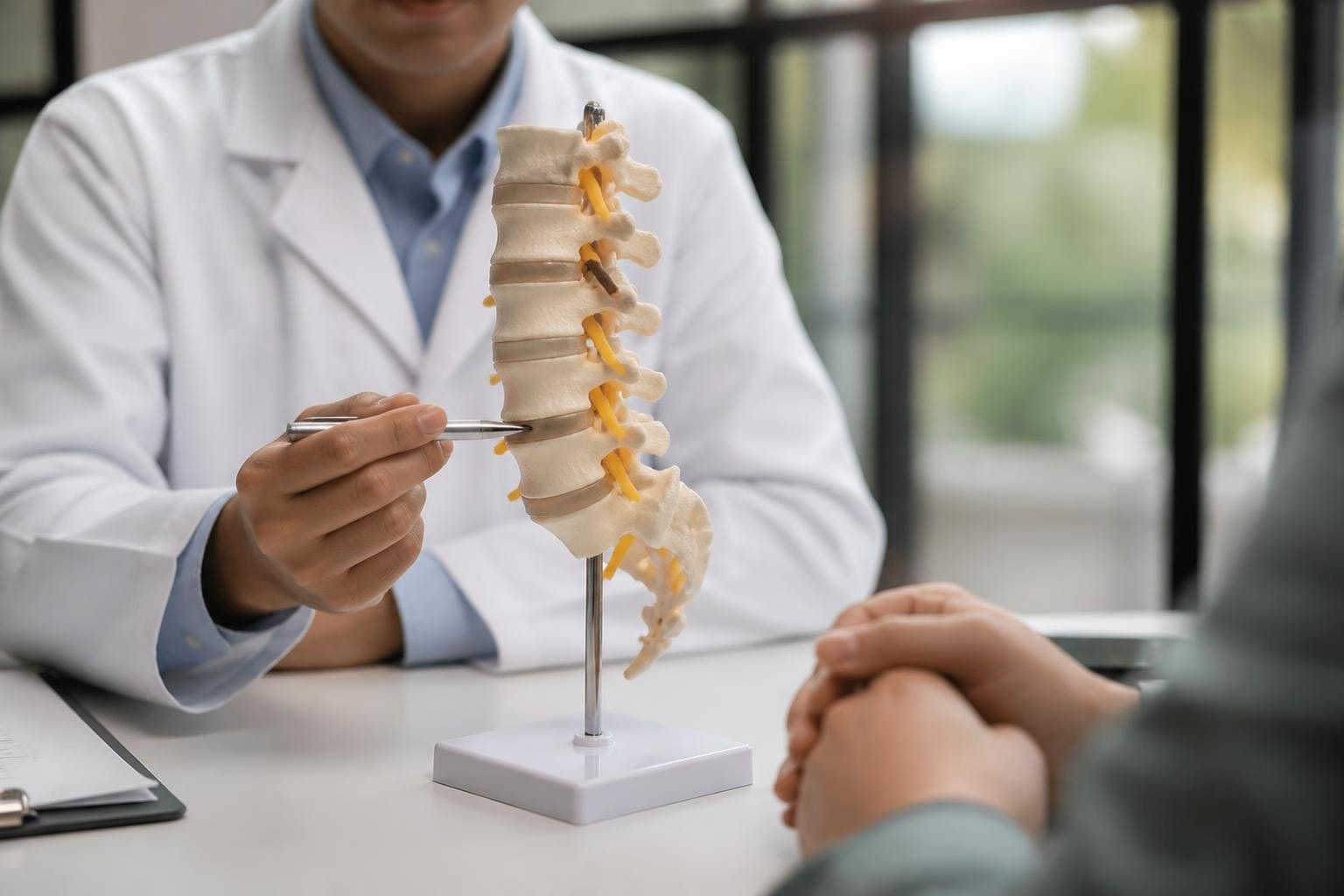
Stem cell therapy for back pain in 2026: what studies show, which patients are candidates, and how a physician evaluates the data before treatment.
This page is for general information and does not constitute medical advice, diagnosis, or treatment. Results vary between individuals. Every medicine and peptide listed here is dispensed only after a medical consultation at Healthi Life and on a physician's prescription. Prices are published for transparency, not as an offer to supply. Always consult a qualified physician about your condition. See our full medical disclaimer.
Low back pain is the leading cause of disability worldwide, affecting an estimated 619 million people in 2020. Most cases resolve. Some do not. When conservative treatment fails and imaging shows disc degeneration, patients begin to ask about alternatives to surgery. Stem cell therapy for back pain is one option under investigation. The data is evolving, the trials are small, and the question matters: which cells, which patients, and who decides.
What Stem Cell Therapy for Back Pain Targets
The intervertebral disc degenerates when its nucleus pulposus loses hydration and proteoglycans. The annulus fibrosus develops fissures. Inflammation follows. The disc loses height, nerves compress, and pain becomes chronic. Stem cell therapy for back pain attempts to interrupt that cascade by introducing mesenchymal stromal cells (MSCs) into the disc space. The hypothesis is that MSCs will secrete growth factors, modulate inflammation, and stimulate endogenous repair. This guide is published by the Healthi Life longevity clinic in Bangkok.
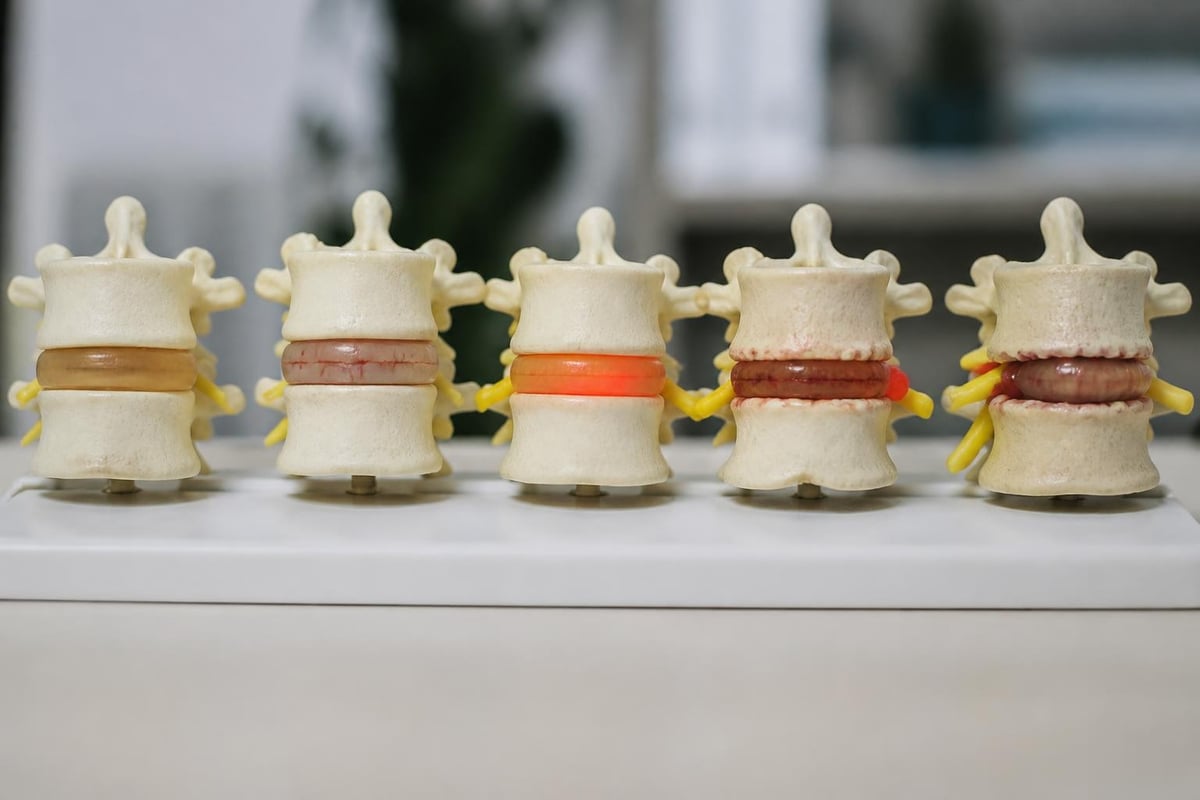
The biology is plausible. MSCs produce transforming growth factor-beta, bone morphogenetic proteins, and anti-inflammatory cytokines. In animal models, intradiscal MSC injection increases disc height and proteoglycan content. Human trials are fewer, smaller, and more variable. A 2024 systematic review of 68 studies of cell and platelet-rich plasma injections for disc-related pain reported clinically meaningful improvements in pain and disability in treated cohorts, but most included studies had a high risk of bias and few were randomized controlled trials.
Which Cells Are Used
Trials have used both autologous and allogeneic cells, often expanded in culture before injection, and doses differ between studies; the RESPINE trial, for example, used 20 million allogeneic cells per disc. Some protocols use allogeneic MSCs from screened donors, which eliminates the harvest procedure but introduces immune considerations. Understanding cell types and sourcing matters when evaluating trial design and patient eligibility.
The RESPINE trial, a multicenter randomized controlled study, randomized 114 patients with chronic low back pain to a single intradiscal injection of 20 million allogeneic bone marrow MSCs or a sham injection. At 12 months, the primary outcome was not met: 74% of the MSC group and 69% of the sham group were responders, and secondary outcomes, including MRI disc fluid content, did not differ. No serious adverse events related to the procedure occurred. A 2026 review notes that a separate phase III trial of intradiscal MSCs also missed its primary efficacy endpoint.
Evidence Base in 2026
Stem cell therapy for back pain is not approved by the FDA as a standard treatment. It is offered in clinical trials and by clinics under regulatory frameworks that vary by jurisdiction. The International Society for Stem Cell Research publishes clinical translation guidelines that outline ethical, safety, and informed-consent standards for cell-based interventions. The patient handbook explains what stem cell treatments can and cannot do, and how to evaluate clinic claims.
In orthopedic medicine, the American Academy of Orthopaedic Surgeons (AAOS) has assembled a biologics resource page summarizing current evidence and professional guidance on orthobiologics, including stem cells, for musculoskeletal conditions. Published reviews describe intradiscal cell therapy as investigational: a 2026 review concluded that no single regenerative approach has yet shown consistent and unequivocal efficacy for chronic low back pain linked to disc degeneration.
| Trial Feature | RESPINE (2024) | Typical Observational Series |
|---|---|---|
| Design | Randomized, placebo-controlled | Single-arm, retrospective |
| Cell type | Allogeneic BM-MSC | Autologous or allogeneic MSC |
| Number of patients | 114 | 10-50 |
| Follow-up duration | 12 months | 6-12 months |
| Primary endpoint | Responder rate (pain or function) | Pain scores only |
| MRI structural change | Co-primary endpoint (MRI T2 disc fluid) | Rarely reported |
The distinction between a registered trial and an uncontrolled case series is not trivial. Observational data can signal safety or efficacy, but it cannot isolate the effect of the cells from natural history, placebo, or concurrent treatment.
What Studies Report
A 2025 ASIPP guideline update in Pain Physician, a consensus document on regenerative therapies for chronic low back pain, graded the evidence for intradiscal platelet-rich plasma and bone marrow aspirate concentrate as fair (level III). Studies in this field typically report pain and disability using the visual analog scale (VAS) and the Oswestry Disability Index (ODI). Few studies included imaging biomarkers such as disc height or T2 signal on MRI. When imaging was performed, structural improvement was inconsistent.
The gap between symptom relief and tissue regeneration is important. Pain reduction may result from anti-inflammatory effects, not regeneration. If the disc does not regain height or hydration, the biomechanical problem persists. Patients considering stem cell therapy for back pain should ask whether the protocol targets symptoms, structure, or both, and what the imaging data show.
Patient Selection and Physician Evaluation
Not every patient with back pain is a candidate for cell therapy. The physician evaluates the clinical history, physical examination, and imaging before deciding. Ideal candidates typically meet the following criteria:
- Chronic discogenic pain for more than 6 months
- Failure of conservative treatment (physical therapy, medications, injections)
- MRI confirmation of disc degeneration at one or two levels
- No evidence of instability, severe stenosis, or multi-level disease requiring fusion
- Absence of infection, malignancy, or autoimmune conditions that contraindicate cell therapy

Physicians also consider biomarkers beyond imaging. Inflammatory markers such as high-sensitivity CRP, erythrocyte sedimentation rate, and cytokine panels can indicate systemic inflammation that may reduce cell engraftment or efficacy. Advanced diagnostic check-ups that include biomarker panels and one-to-one physician review help establish whether a patient's physiology supports regenerative intervention or whether other factors need to be addressed first.
What Happens During the Procedure
The procedure for intradiscal MSC injection is performed under fluoroscopic or CT guidance. The patient is placed prone. The skin is prepared and anesthetized. A needle is advanced into the nucleus pulposus of the target disc. Cells are injected slowly, the needle is withdrawn, and the patient is observed before going home. Patients are instructed to avoid heavy lifting and high-impact activity for several weeks.
Pain at the injection site is common. Discitis, an infection of the disc space, is rare but serious. Because discs have no blood supply, intradiscal injections carry a specific infection risk, and discitis has been reported after intradiscal biologic injections. Patients should be informed of this risk before consenting. There is no published data on systemic adverse events from intradiscal MSCs beyond those reported in clinical trials, which have been minimal.
Outcomes and Limitations
Stem cell therapy for back pain does not work for everyone. In the RESPINE trial, pain and function improved in both the MSC and sham groups, with no significant difference between them at 12 months. Predicting who will respond remains difficult. Factors such as age, degree of degeneration, baseline inflammation, and cell dose are under investigation.
Long-term data is sparse. Most trials report outcomes at 12 months. Two-year and five-year follow-up is needed to determine whether improvement persists and whether structural changes, if any, are maintained. A review in Nature Reviews Rheumatology describes disc degeneration and facet joint osteoarthritis as parts of a shared molecular disease spectrum. Separately, a 2026 review notes that the disc environment, which is avascular, hypoxic, acidic, and nutrient-poor, poses challenges for all regenerative therapies.
Limitations to Understand
- Small sample sizes: Most published studies include fewer than 100 patients.
- Short follow-up: One year is typical; longer data is rare.
- Lack of imaging endpoints: Pain scores improve more often than disc height or hydration.
- Variable cell sources and doses: Comparisons between studies are difficult.
- Publication bias: Negative trials are less likely to be published.
Patients considering stem cell therapy for back pain should review these limitations with a physician who has access to the primary literature and can interpret trial data in the context of the individual's imaging and biomarkers. Cellular therapy protocols at physician-led facilities include pre-treatment consultation, biomarker review, and post-treatment monitoring to track response and adjust care accordingly.
Regulatory and Safety Context
In Thailand, the Medical Council of Thailand sets professional standards for stem cell treatment, and the rules differ by indication and cell type. Patients should ask which license and approval cover the specific procedure being offered.
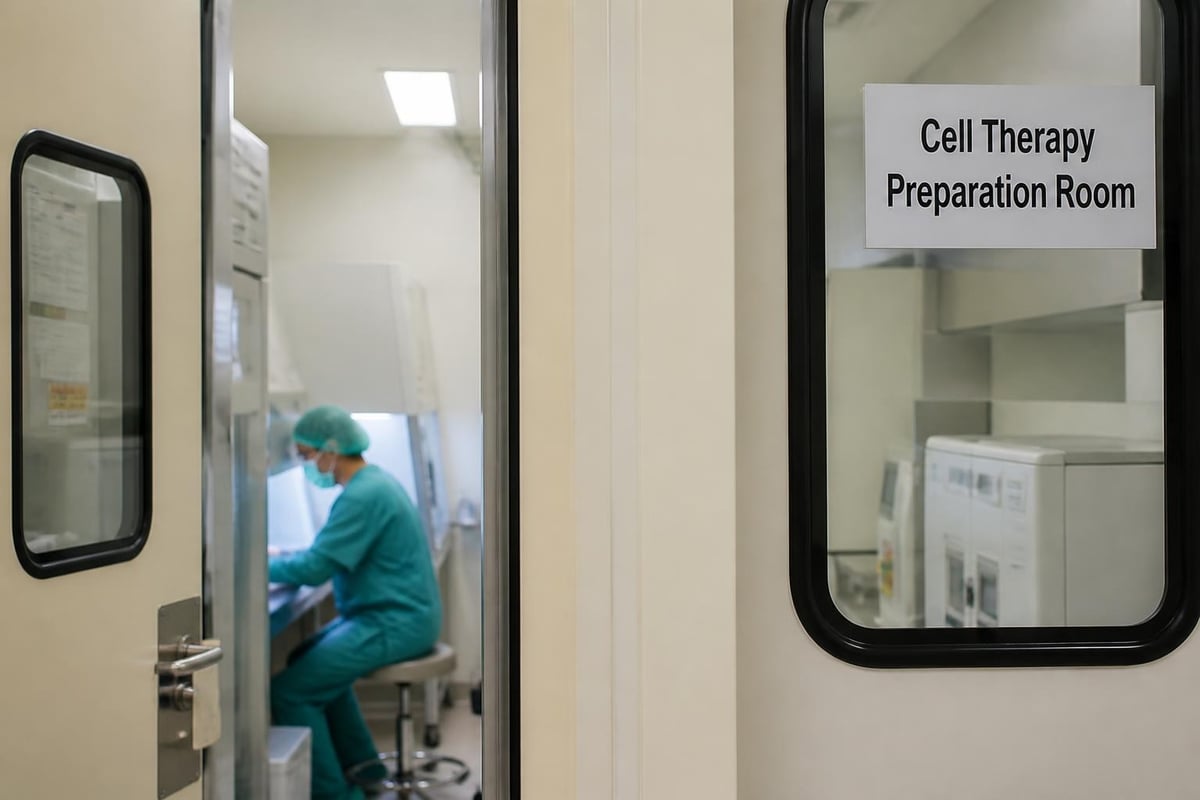
Patients should verify that the clinic holds the necessary licenses and that cells are processed in a certified laboratory. The physician should be able to explain the source of the cells, the processing method, the dose, and the sterility testing performed before injection. Transparency in these details is a marker of quality and safety.
Cost and Access
Stem cell therapy for back pain is not covered by most health insurance policies in 2026. Costs vary widely depending on cell source, processing, and facility. Some protocols are completed in a single visit; others require separate visits for cell harvest, culture, and injection.
Patients traveling to Thailand for regenerative medicine often combine the procedure with a broader health assessment. A baseline evaluation that includes imaging, biomarkers, and physician consultation allows the doctor to determine candidacy and set realistic expectations. The consultation should address whether stem cell therapy for back pain is the best option or whether other interventions-such as physical rehabilitation, peptide protocols, or minimally invasive surgical techniques-are more appropriate given the individual's condition.
What to Ask Before Treatment
Before proceeding with stem cell therapy for back pain, patients should ask the following questions:
- What is the source of the cells? Autologous bone marrow, autologous adipose, or allogeneic donor.
- What is the cell dose and how is it determined? Doses differ between published trials; RESPINE used 20 million cells per disc.
- What does the imaging show? Degree of degeneration, disc height, annular tears, presence of Modic changes.
- What are the expected outcomes? Pain reduction, functional improvement, or structural change, and on what timeline.
- What is the follow-up protocol? Re-imaging, biomarker testing, and physician review at defined intervals.
- What are the risks? Infection, increased pain, lack of response.
- What does the published data show for my type of degeneration? Single-level versus multi-level, age group, baseline pain score.
These questions should be answered by a licensed physician who reviews the patient's data, not by a sales representative or clinic coordinator. The decision to proceed is medical, not commercial.
Complementary and Alternative Approaches
Stem cell therapy for back pain is one intervention in a broader category of regenerative and orthobiologic treatments. Platelet-rich plasma (PRP), growth factor concentrates, and exosome therapy are also used for disc and soft tissue pain. Each has a different mechanism, a different evidence base, and different patient selection criteria. PRP is more widely studied than exosomes but less cellular than MSC therapy. Exosomes are acellular and may carry lower immunogenicity but have less clinical data. Comparing exosomes and stem cells helps patients and physicians choose the intervention that matches the clinical problem and the patient's risk tolerance.
In some cases, combining modalities may be appropriate. The protocol is individualized based on imaging, symptoms, and biomarkers. No protocol is applied without physician review.
Frequently Asked Questions
How long does it take to see results after stem cell therapy for back pain?
There is no reliable timeline. In the RESPINE randomized trial, improvement at 12 months was similar in the cell and sham groups, so changes a patient notices cannot be attributed to the cells with confidence.
Is stem cell therapy for back pain safe?
Published trials report low rates of serious adverse events. Discitis, an infection of the disc space, is a recognized risk of intradiscal injections. Patients with autoimmune disease, active infection, or malignancy are generally excluded from protocols.
Can stem cell therapy regenerate a completely degenerated disc?
No. Randomized trial data have not shown that MSC injections improve pain or disc hydration more than placebo. Severe, end-stage degeneration with complete loss of disc height is not a candidate for cell therapy and typically requires surgical fusion.
How is stem cell therapy for back pain different from surgery?
Stem cell therapy is minimally invasive, performed with a needle under imaging guidance, and does not remove or fuse vertebrae. Surgery, such as discectomy or fusion, alters anatomy and is reserved for cases with instability, severe stenosis, or neurologic compromise that does not respond to conservative or regenerative treatment.
Stem cell therapy for back pain is investigational: early studies were encouraging, but two randomized trials did not meet their primary efficacy endpoints. The decision to proceed follows physician review of biomarkers, imaging, and individual medical history. At Healthi Life in Bangkok, a physician reviews imaging, biomarkers, and medical history with each patient and discusses established and investigational options, including their limits.
This page is for information only and is not medical advice. Medical consultation and prescription are available online and on site at Healthi Life, Ekkamai, Bangkok.
Every medicine named on this page is dispensed only after a medical consultation at Healthi Life and on a physician's prescription. No dosing schedule is published here; the dose is set by the prescribing physician. This page is published for transparency, not as an offer to supply.