Urban Medical Clinic: Modern Healthcare in City Centers

Discover how urban medical clinics transform healthcare delivery through accessible, personalized treatments and advanced longevity programs.
Modern healthcare increasingly centers around accessibility, personalization, and preventive medicine. As cities grow and populations concentrate in metropolitan areas, the urban medical clinic has emerged as a vital healthcare delivery model that addresses the unique needs of city dwellers. These facilities combine cutting-edge medical technology with personalized care approaches, offering everything from routine checkups to specialized longevity programs that monitor hundreds of biomarkers. For professionals, entrepreneurs, and health-conscious individuals seeking comprehensive care without leaving the city, understanding what defines an effective urban medical clinic becomes essential to making informed healthcare decisions.
The Evolution of Healthcare in Metropolitan Settings
The landscape of medical care has shifted dramatically over the past decade. Traditional hospital systems and suburban practices once dominated healthcare delivery, but urban centers now demand more agile, accessible options. An urban medical clinic fills this gap by providing specialized services in convenient locations where patients live and work.
Cities like Bangkok, New York, and Singapore have witnessed remarkable growth in boutique medical facilities that prioritize patient experience alongside clinical excellence. These clinics recognize that launching medical practices in urban settings requires understanding the specific demands of metropolitan populations: time constraints, performance optimization needs, and desire for proactive rather than reactive healthcare.
Key Characteristics of Modern Urban Clinics
Location and Accessibility
- Central business district placements for easy commuting
- Extended operating hours accommodating professional schedules
- Appointment-based systems minimizing wait times
- Proximity to public transportation and parking facilities
Technology Integration
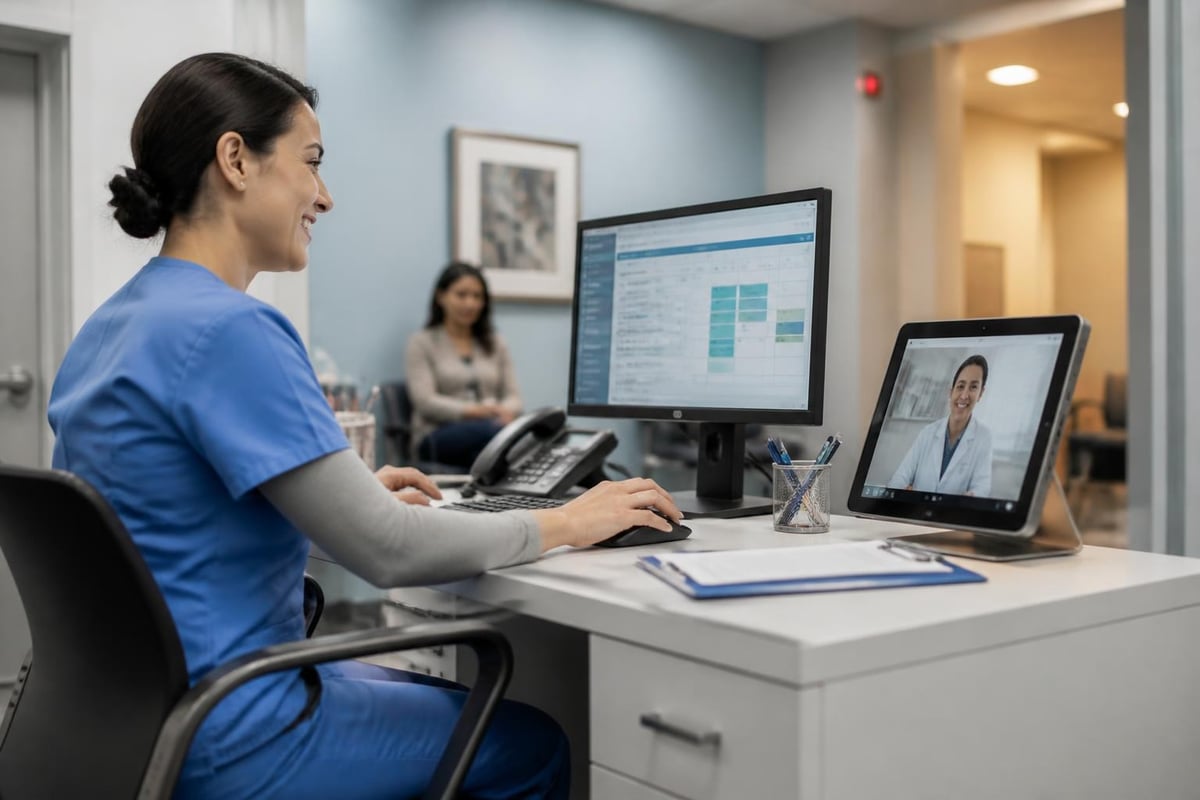
- Electronic health records for seamless care coordination
- Telemedicine capabilities for follow-up consultations
- Advanced diagnostic equipment on-site
- AI-powered scheduling reducing no-show rates by over 50%
The most successful urban medical clinic operations leverage technology not as a replacement for personal care but as an enhancement. Urban Health Plan's implementation of AI technology demonstrates how strategic technological adoption improves both patient access and operational efficiency without sacrificing the human element of medicine.
Longevity Medicine: The New Frontier for Urban Healthcare
Traditional medicine focuses primarily on treating illness after symptoms appear. Longevity clinics within urban settings take a fundamentally different approach, emphasizing prevention, optimization, and extending healthspan alongside lifespan. This paradigm shift aligns perfectly with the proactive mindset of urban professionals who invest in their performance across all life domains.
Biomarker-Driven Healthcare Protocols
Modern longevity-focused urban medical clinic operations center around comprehensive biomarker analysis. Rather than assessing a handful of standard blood tests annually, these facilities monitor between 50 to 300 different markers that provide detailed insights into:
| Biomarker Category | What It Reveals | Clinical Application |
|---|---|---|
| Metabolic Markers | Blood sugar regulation, insulin sensitivity | Diabetes prevention, energy optimization |
| Hormonal Panels | Testosterone, thyroid, cortisol levels | Performance enhancement, stress management |
| Inflammatory Markers | Chronic inflammation status | Disease prevention, recovery protocols |
| Cardiovascular Indicators | Heart health, vascular function | Longevity optimization, risk reduction |
| Nutritional Status | Vitamin, mineral, nutrient levels | Personalized supplementation strategies |
This data-driven approach allows physicians to identify subtle imbalances years before they manifest as clinical diseases. Personalized longevity programs built on this foundation create individualized roadmaps for optimal health spanning months or years.
Treatment Modalities Beyond Conventional Care
An urban medical clinic specializing in longevity medicine offers treatments rarely found in traditional medical settings:
Regenerative Therapies
- Stem cell therapy applications for joint pain, inflammation, and tissue repair
- Exosome treatments for cellular rejuvenation
- PRP (platelet-rich plasma) procedures for hair restoration and skin renewal
Performance Optimization
- Peptide therapy protocols targeting specific performance goals
- NAD+ IV therapy for cellular energy and cognitive function
- Customized IV nutrient formulations addressing individual deficiencies
Hormone Optimization
- Testosterone replacement therapy under medical supervision
- Thyroid optimization protocols
- Growth hormone peptide alternatives
The integration of these advanced treatments within an accessible urban setting represents a significant evolution in healthcare delivery. Patients no longer need to travel to specialized research centers or wait months for appointments with experts in these emerging fields.
The Doctor-Led Difference in Urban Wellness
Medical supervision separates legitimate longevity medicine from wellness trends. While many urban facilities offer health optimization services, the most effective urban medical clinic operations maintain physician leadership throughout the patient journey.
Comprehensive Medical Oversight
Physician-led care means every treatment protocol undergoes rigorous medical review. This approach ensures:
- Proper patient screening identifying contraindications before treatment
- Dosage optimization tailored to individual response and biomarker changes
- Continuous monitoring adjusting protocols based on measurable outcomes
- Integration of treatments avoiding dangerous interactions or redundancies
- Emergency preparedness with medical professionals on-site during procedures
For treatments like stem cell therapy or advanced peptide protocols, medical supervision transforms potentially risky procedures into safe, effective interventions. The physician's expertise in interpreting biomarker data and adjusting treatment plans based on individual response creates superior outcomes compared to one-size-fits-all approaches.
Personalization Through Data
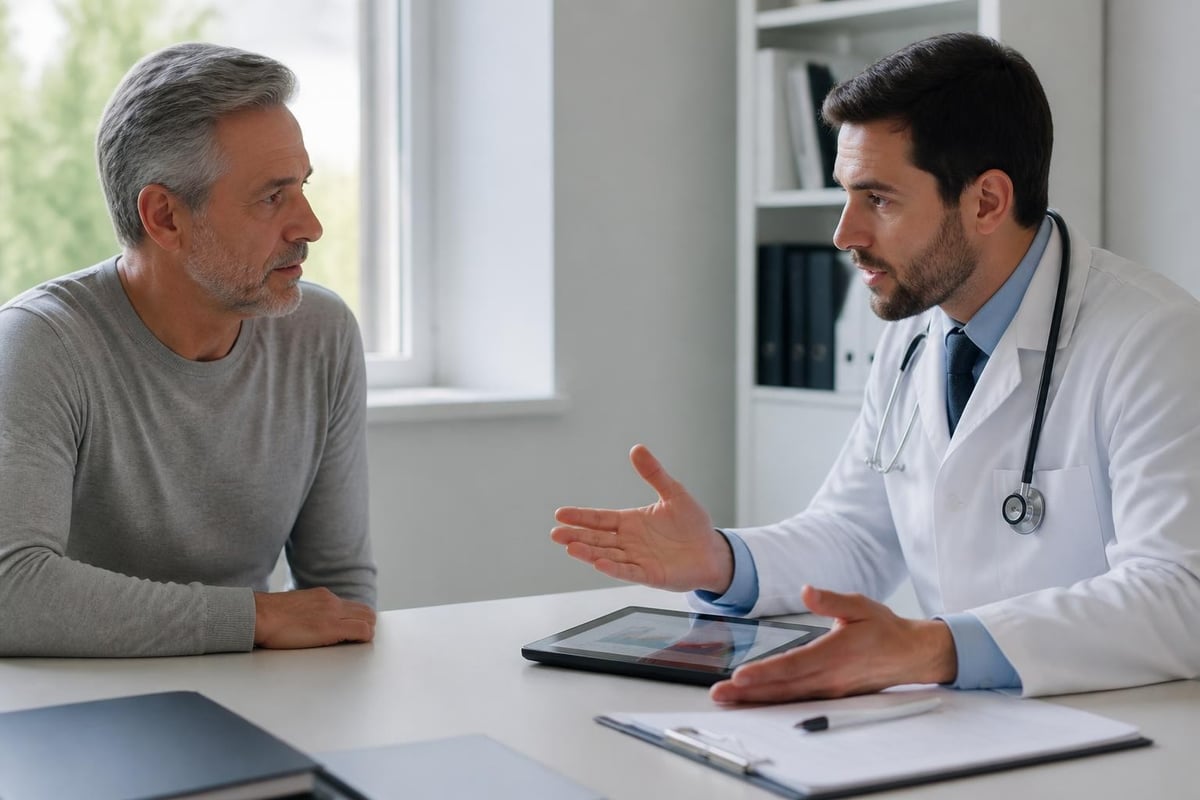
Generic health advice rarely produces optimal results. An effective urban medical clinic leverages comprehensive data collection to create truly personalized care plans. This process typically involves:
Initial Assessment Phase
- Detailed medical history review
- Comprehensive physical examination
- Extensive biomarker panel (50-300 markers)
- Lifestyle and environmental factor analysis
- Goal-setting consultation
Protocol Development
- Physician review of all collected data
- Identification of optimization opportunities
- Risk stratification and priority setting
- Treatment timeline creation
- Expected outcome projections
Implementation and Monitoring
- Regular follow-up appointments (weekly, monthly, quarterly)
- Serial biomarker testing tracking progress
- Protocol adjustments based on response
- Side effect management
- Goal reassessment and refinement
This structured approach ensures that every intervention serves a specific, measurable purpose aligned with the patient's health objectives. Choosing the right longevity clinic requires understanding whether facilities offer this level of personalization or rely on standardized protocols.
Integrating Recovery and Performance Services
High-performing individuals recognize that optimization requires both enhancement and recovery. The best urban medical clinic facilities integrate performance-boosting treatments with regenerative therapies that support sustainable health improvements.
Recovery-Focused Treatments
| Treatment Type | Primary Benefit | Ideal Candidates |
|---|---|---|
| IV Nutrient Therapy | Rapid rehydration, nutrient replenishment | Post-travel, post-illness, athletic recovery |
| Red Light Therapy | Tissue repair, inflammation reduction | Injury recovery, chronic pain management |
| Hyperbaric Oxygen | Enhanced healing, reduced inflammation | Surgical recovery, wound healing |
| Cryotherapy | Inflammation control, muscle recovery | Athletes, chronic inflammation |
| Compression Therapy | Circulation enhancement, lymphatic drainage | Post-workout recovery, edema management |
These modalities support the body's natural healing processes while accelerating recovery from physical stressors. When integrated with performance-enhancing protocols, they create sustainable optimization rather than short-term gains followed by burnout.
Performance Enhancement Approaches
Urban professionals often seek interventions that improve cognitive function, physical performance, and overall vitality. An urban medical clinic specializing in performance medicine offers evidence-based approaches including:
- Nootropic protocols combining supplements and lifestyle modifications for cognitive enhancement
- Metabolic optimization through targeted nutrition and supplementation
- Sleep architecture improvement using peptides, hormones, and behavioral interventions
- Stress resilience training combining physiological and psychological approaches
- Physical performance optimization through strategic use of peptides and hormones
The key differentiator in medical-grade performance enhancement is the continuous monitoring and adjustment based on objective biomarker data. Rather than guessing whether an intervention works, physicians track specific markers demonstrating the physiological impact of each protocol element.
Urban Clinic Design and Patient Experience
The physical environment of a medical facility significantly impacts patient comfort, trust, and treatment outcomes. Modern clinic design and communication strategies recognize that the patient experience begins before the first appointment and extends beyond the treatment room.
Creating Therapeutic Environments
Successful urban medical clinic spaces balance clinical professionalism with welcoming aesthetics. Design elements include:
Spatial Planning
- Private consultation rooms ensuring confidentiality
- Comfortable waiting areas with natural light
- Treatment rooms equipped with latest technology
- Quiet recovery spaces for post-procedure rest
- Seamless flow minimizing patient stress
Aesthetic Considerations
- Calming color palettes reducing anxiety
- Natural materials creating warmth
- Art and greenery humanizing clinical spaces
- Thoughtful lighting supporting circadian rhythms
- Acoustic design ensuring privacy
Operational Efficiency
- Clear signage and wayfinding
- Digital check-in systems
- Minimal wait time design
- Efficient room turnover protocols
- Staff positioning for rapid patient support
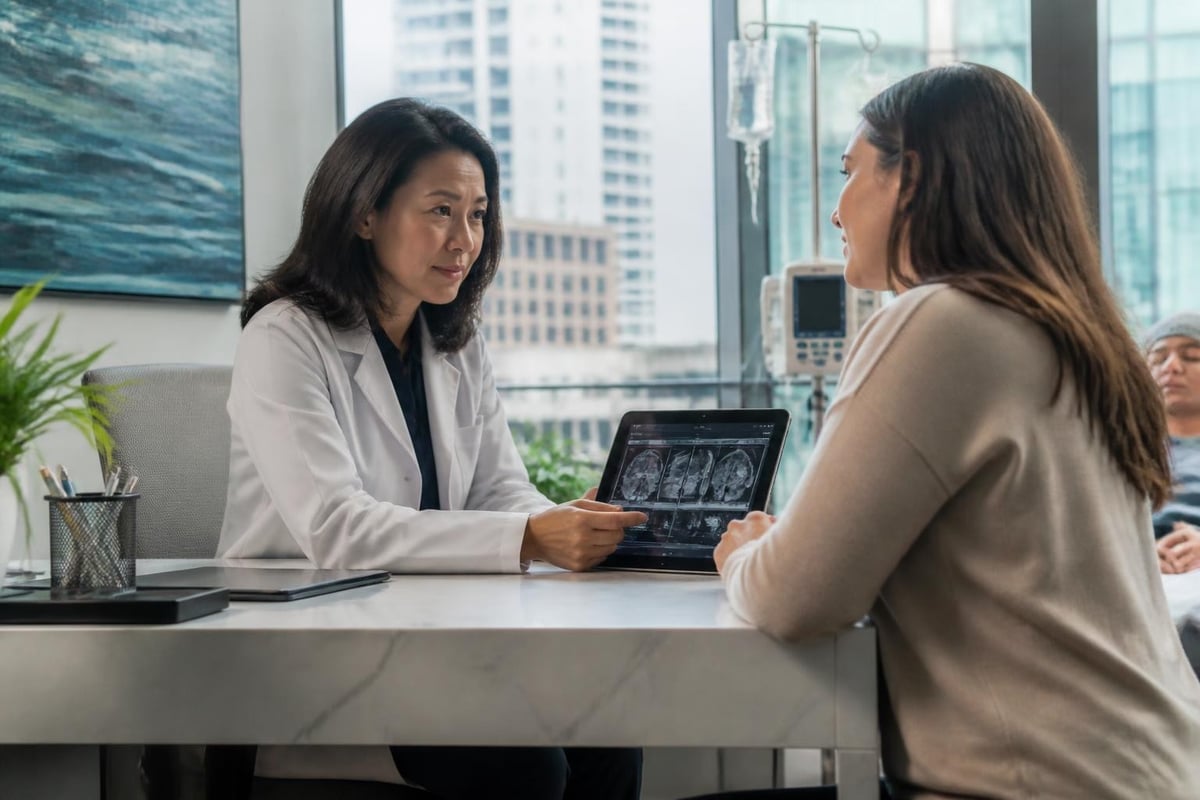
These elements combine to create environments where patients feel cared for rather than processed. The atmosphere of an urban medical clinic should communicate expertise and professionalism while remaining approachable and human-centered.
Accessibility and Urban Health Equity
While premium longevity clinics serve specific populations, the broader urban medical clinic movement has implications for health equity in metropolitan areas. Cities concentrate both wealth and poverty, creating stark health disparities that innovative clinic models can help address.
Mobile and Community-Based Solutions
Community-based urban mobile health clinics demonstrate how medical services can reach underserved populations within city environments. These initiatives provide:
- Preventive care in high-need neighborhoods
- Chronic disease management for uninsured populations
- Health education and community outreach
- Connection to comprehensive care networks
- Culturally competent care delivery
While different in scope from premium longevity clinics, these models share the urban medical clinic philosophy of bringing accessible, personalized care to where people live and work.
Integrating Community Health Workers
Successful integration of community health workers into urban health systems creates bridges between clinical services and community needs. This approach offers lessons applicable across the spectrum of urban medical facilities:
- Cultural competence improving patient engagement
- Navigation assistance increasing treatment adherence
- Outreach capabilities expanding access
- Trust-building within communities
- Cost-effective care coordination
Even premium urban medical clinic operations benefit from understanding these principles, as they inform better patient communication, culturally sensitive care delivery, and community integration.
Measuring Success in Longevity Medicine
Traditional medical metrics focus on disease treatment: symptom reduction, complication rates, hospital readmissions. Longevity medicine requires different success measures aligned with optimization rather than illness management.
Key Performance Indicators for Longevity Programs
Biological Age Markers
- Epigenetic age testing showing cellular age vs. chronological age
- Telomere length indicating cellular health
- Advanced glycation end products measuring metabolic aging
- VO2 max and cardiovascular fitness markers
- Body composition changes (muscle mass, visceral fat)
Biomarker Optimization Metrics
- Movement toward optimal ranges across tracked markers
- Reduction in inflammatory indicators
- Hormonal balance achievement
- Metabolic health improvements
- Cardiovascular risk factor reduction
Functional and Subjective Measures
- Energy levels and daily performance
- Sleep quality and recovery
- Cognitive function and mental clarity
- Physical performance capabilities
- Overall quality of life assessments
An effective urban medical clinic tracks these metrics systematically, providing patients with clear evidence of program effectiveness. Understanding biological age optimization helps patients conceptualize longevity medicine goals beyond simple disease prevention.
Technology and Data Management in Urban Clinics
The data-intensive nature of longevity medicine requires robust technology infrastructure. An urban medical clinic handling hundreds of biomarkers per patient across extended programs needs sophisticated systems for data collection, analysis, and application.
Essential Technology Components
- Laboratory Information Systems integrating with testing partners for seamless biomarker tracking
- Electronic Health Records maintaining comprehensive patient histories and treatment plans
- Patient Portals providing secure access to results, protocols, and educational resources
- Analytics Platforms identifying trends and optimization opportunities across patient data
- Communication Tools enabling efficient patient-provider interaction between visits
The investment in these systems separates professional urban medical clinic operations from informal wellness providers. Proper data management ensures patient safety, treatment optimization, and continuous improvement in care delivery.
Privacy and Security Considerations
Comprehensive biomarker data and detailed health information require stringent protection. Reputable clinics implement:
- Encrypted data storage and transmission
- Access controls limiting information to treating providers
- Regular security audits and updates
- Clear privacy policies and patient consent processes
- Compliance with international healthcare data standards
Patients entrusting an urban medical clinic with extensive personal health data deserve assurance that this information receives appropriate protection and use only for their direct care benefit.
The Future of Urban Longevity Medicine
Healthcare continues evolving toward personalization, prevention, and performance optimization. Urban medical clinic models pioneering these approaches will likely influence mainstream medicine over the coming decade.
Emerging Trends and Technologies
Advanced Diagnostics
- Whole genome sequencing informing personalized protocols
- Metabolomics providing detailed metabolic pathway analysis
- Continuous glucose monitoring becoming standard for optimization
- Wearable biomarker sensors tracking real-time health data
- AI-powered predictive analytics identifying intervention opportunities
Novel Therapeutics
- Exosome therapy applications expanding across multiple conditions
- Senolytic compounds targeting cellular aging
- Precision peptide therapy based on genetic profiles
- Personalized probiotic formulations for gut health optimization
- Advanced biologics for tissue regeneration
Care Delivery Evolution
- Hybrid in-person and telemedicine models
- Continuous remote monitoring with AI analysis
- Predictive intervention before symptoms emerge
- Integration with lifestyle tracking and coaching
- Outcome-based pricing models in premium care
These developments will make personalized longevity medicine increasingly accessible, though physician-led urban medical clinic models will remain essential for safe, effective implementation of complex protocols.
Scaling Personalized Medicine
The challenge facing longevity medicine is scaling truly personalized care without sacrificing individualization for efficiency. Successful urban medical clinic operations will solve this through:
- Standardized assessment and data collection protocols
- AI assistance in initial data analysis and pattern recognition
- Tiered service models meeting different patient needs and budgets
- Strategic partnerships expanding access to specialized testing and treatments
- Training programs developing more physicians skilled in longevity medicine
Bangkok's emergence as a medical tourism destination demonstrates how strategic urban centers can become hubs for advanced healthcare delivery, combining expertise, technology, and accessibility.
Choosing the Right Urban Medical Clinic
For individuals seeking longevity medicine and performance optimization, selecting the appropriate provider requires careful evaluation. Not all urban medical clinic facilities offer equivalent expertise, services, or patient care standards.
Essential Evaluation Criteria
Medical Leadership and Credentials
- Board-certified physicians leading patient care
- Specialized training in longevity and functional medicine
- Transparent provider credentials and experience
- Multidisciplinary team including specialists as needed
Treatment Approach and Philosophy
- Data-driven protocols based on comprehensive biomarker analysis
- Personalized treatment plans rather than standardized packages
- Integration of multiple modalities for comprehensive optimization
- Evidence-based interventions with clear rationale
Facility and Technology
- Advanced diagnostic capabilities on-site or through partnerships
- Modern treatment equipment properly maintained
- Comfortable, professional environment
- Robust data management and patient portal systems
Program Structure and Support
- Clear timeline expectations for assessment and treatment
- Regular follow-up and monitoring protocols
- Accessible physician and staff communication
- Educational resources supporting patient understanding
- Adjustment flexibility based on individual response
Selecting the best longevity clinic requires research, consultations, and attention to these fundamental elements that separate truly personalized medicine from wellness trends.
The urban medical clinic model represents healthcare's evolution toward accessible, personalized, data-driven optimization that extends beyond treating illness to enhancing human performance and longevity. For city dwellers seeking comprehensive care that monitors hundreds of biomarkers while providing cutting-edge treatments under physician supervision, finding the right facility transforms health from reactive crisis management to proactive performance enhancement. Healthi Life delivers this vision through doctor-led longevity programs in Bangkok, combining advanced diagnostics, regenerative treatments, and ongoing medical oversight tailored to your unique biology and goals. Schedule your comprehensive assessment to begin your personalized longevity journey with expert guidance every step of the way.